BUCKNACKT'S SORDID TAWDRY BLOG
We should not be a journey to the grave with the intention of arriving safely in an attractive & well preserved body, but rather to skid in sideways, chocolate, bier or wein in hand, body thoroughly used up, totally worn out and screaming "WHOO-HOO, WHAT A RIDE!!!!!!"
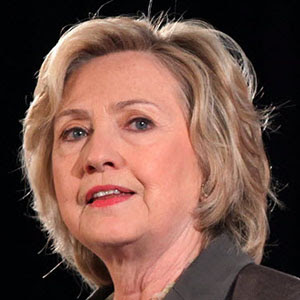
hillary clinton needs to pledge not to cut Social Security benefits if elected president. Bernie Sanders has, he promises to defend our Social Security benefits and actually promises to push for the ceiling of Social Security taxable income to be raised from the current level of $118,500. hillary was part of the Obama administration that pushed the Grand Betrayal, i.e. chained CPI, that the members off the PCCC / Bold Progressives helped defeat. What's it going to be hillary, votes from the American people or payoffs from the 1%? Please sign this petition from the PCCC / Bold Progressives and be sure to share with others....
As the New Hampshire primary approaches, Hillary Clinton has yet to promise never to cut Social Security benefits.
Yesterday, Bernie Sanders tweeted: "It's immoral that some in Congress advocate cuts in Social Security yet vote to preserve billions in tax breaks for corporations."
While Bernie Sanders has promised never to cut Social Security -- so far, Hillary Clinton hasn't.
In recent months, Clinton has been campaigning as someone who will fight for economic goals like debt-free college and Wall Street reform.
But she's leaving the Democratic Party vulnerable by leaving unpopular cuts to Social Security on the table. That's not how we motivate voters.
A whopping 84% of Iowa Democrats polled right before Monday's caucus said a candidate's commitment to never cutting Social Security benefits was VERY IMPORTANT to their vote.
These quotes from PCCC members in New Hampshire make clear why:
Jude C. from Manchester: "I live on these benefits plus a small pension from one employer. I barely make it financially each month and without Social Security I would be homeless."
Susan F. from Folsom: "Seniors can't live on their Social Security as it is. It should never be cut, but rather increased."
Allen W. from Dover: "Cutting Social Security would be a betrayal of retired seniors and their families. It would be a sell out to the Banksters and Wall Street."
Many elderly women and minorities depend on Social Security benefits for the majority of their incomes. Cuts would throw many of them into poverty in their retirement. Forcing any seniors to live in poverty is unacceptable.
Once Clinton commits to no cuts, the whole Democratic Party can move on to a national discussion about how to expand benefits to meet the needs of our grandparents and veterans.
We will inform Hillary Clinton’s campaign and the media about the momentum on this petition.
Thanks for being a bold progressive.
-- Keith Rouda, PCCC organizer
Want to support the Warren wing? Senator Elizabeth Warren says, "When PCCC members donate millions in small-dollar donations and make millions of phone calls for progressive candidates, leaders in Washington, they take notice." Chip in $3 here.
SEGURIDAD SOCIAL, ahora convertirse en un problema para
los candidatos a la presidencia para hacer frente al electorado, para
explicar por qué algunos se oponen a la expansión del programa, ¿por qué
algunos quieren acabar con ella, ¿por qué hay tan fuerte oposición a
levantar la tapa de la renta sobre el impuesto de la Seguridad Social
(ahora en $ 118.500) que pagar por la expansión de los beneficios. Hillary
Clinton y los candidatos presidenciales republicanos se han
comprometido a proteger a los ricos de un aumento de impuestos de Seguro
Social. + senador Bernie Sanders me VT y Martin O'Malley, los candidatos presidenciales demócratas, extensión de la ayuda de la Seguridad Social. Sólo una prueba más de Bernie Sanders debería ser el candidato de elección para todos los estadounidenses, ya que no es propiedad del 1%, en la América corporativa. Ir a Bernie 2016
para más información sobre su plataforma presidencial y descubra por sí
mismo que él realmente está comenzando una revolución política para
todos los estadounidenses. Esto de + Huffington Post Política seguido por el + New York Times
editorial, y asegúrese de ver el video de Sen Elizabeth Warren D MA
asumen sen marco rubio r FL, el Seguro Social y los vídeos de Sen Bernie
Sanders me VT asumir sen Marco Rubio r FL y Jeb Bush r sobre Seguridad
Social ......
The New York Times de expansión aprobado de prestaciones de la Seguridad
Social, algo que el senador Bernie Sanders (I-Vt.) Ha hecho una parte
central de su campaña presidencial.
Los progresistas están aclamando un editorial del New York Times
apoyando la expansión de los beneficios de Seguro Social como una
bendición influyente a una posición que, hasta hace poco, fue relegado
en gran parte a los think tanks liberales y activistas.
El editorial publicado el fin de semana animó a los candidatos
presidenciales para hacer frente a la Seguridad Social como parte de una
estrategia para hacer frente a una creciente crisis de ingresos de
jubilación, en lugar de simplemente como un problema a ser fijo.
Clausura déficit de financiación de la Seguridad Social "no se puede
hacer cortando ampliamente los beneficios", dijo el consejo editorial
del periódico. "De hecho, no hay evidencia de que la
Seguridad Social, lo que se ha convertido cada vez más importante en el
retiro, necesita ser ampliado."
De hecho, no hay evidencia de que la
Seguridad Social, que se ha convertido cada vez más importante en el
retiro, debe ser ampliado. La junta editorial del New York Times
El editorial del periódico de registro supone un golpe para los grupos
progresistas de promoción, economistas y legisladores, entre ellos los
senadores. Bernie Sanders (I-Vt.) Y Elizabeth Warren (D-Mass.), Que ha avanzado la pro forma constante una vez al marginal postura de la expansión en la corriente principal.
"¡Hurra por los tiempos! Sólo deseo que The Washington Post
ha sido el iluminado ", dijo Nancy Altman, fundador co-director de la
Seguridad Social Works, una organización no lucrativa que se reúne una
coalición de grupos que luchan por la expansión de los beneficios.
Dean Baker, codirector del Centro para Económico y Investigación de
Políticas y un crítico de cómo la prensa a veces cubre el debate de la
Seguridad Social, destacaron el papel del Times como un árbitro de la
corriente principal de pensamiento liberal. El proponente de largo plazo de la ampliación de la Seguridad Social llama editorial de la publicación "muy importante".
"Son muy en el centro de la opinión respetable", dijo. "Si usted está
tomando una posición que han tomado, no eres considerado una tuerca ".
[The Times es] muy en el centro de la opinión respetable. Si usted está tomando una posición que han tomado, no se le considera una tuerca. Dean Baker, del Centro para la Investigación Económica y Política
Y "nueces" es lo que muchos líderes de opinión de Washington respetables habrían llamado la posición incluso hace unos años. The
Washington Post se refirió a los grupos que se oponen a beneficiar a
los recortes - los que ni siquiera se van tan lejos como para sugerir la
ampliación de la seguridad social - como "negacionistas del Seguro Social". En un editorial agosto 2010 En los primeros días, con
déficit de cuidado de la recuperación económica, cuando la fiesta del té
era ascendente y el presidente Barack Obama convocó a la comisión
fiscal Bowles-Simpson, la pregunta entre los demócratas y los
republicanos fue en gran medida no es si los beneficios del Seguro
Social se deben cortar, sino por cuánto. La comisión Bowles-Simpson
recomendado cambios drásticos en el programa de seguro social popular en
diciembre de 2010, incluyendo el aumento de la edad de jubilación a los
69, los medios de pruebas de beneficios y reduciendo el costo de la
vida de ajuste mediante la adopción de un Índice de Precios al
Consumidor "encadenado". del programa senador Richard
Durbin (D-Ill.), Un Senado aliado liberal y cierre delantero del
presidente, se sentó en la comisión, votó a favor de sus recomendaciones
controvertidas y defendió su voto en la impresión.
Mark Wilson / Getty Images
Cuando Erskine Bowles (L) y el ex senador Alan Simpson (R-Wy.)
Copresidido comisión fiscal bipartidista del presidente Barack Obama,
cortando la Seguridad Social estaba de moda.
Aunque las propuestas de la comisión nunca fueron considerados seriamente por mayor Congreso, Obama ofreció líderes republicanos del IPC encadenado como un compromiso durante las negociaciones precipicio fiscal en diciembre de 2012.
El presidente posteriormente incluyó en su año fiscal 2014 el presupuesto - la prueba a muchos progresistas que en realidad cree en la reducción de beneficios como una cuestión de política.
En ese momento, Sanders habló a los progresistas que protestaban frente a la Casa Blanca que se habían entregado más de 2,5 millones de firmas en contra de la medida. The Times, por su parte, también condenó el IPC encadenado, mientras que lo que implica que se mantuvo abierto a otros recortes de beneficios.
Junto con la presión de la base de Obama, el apoyo republicano requisito
para aumentos de ingresos para completar un "gran acuerdo" sobre el
presupuesto era una vez más no acercaba. El gobierno dejó de lado la provisión al año siguiente, lo que CNN llamó "música para los oídos liberales."
Mientras tanto, una contraofensiva se estaba gestando. Obras
de la Seguridad Social y sus organizaciones aliadas comenzaron
públicamente la promoción de una idea que siempre habían apoyado en
privado:. Que el Seguro Social debe aumentarse a fin de combatir la
creciente brecha de ingresos de jubilación
Les gustaba de citar muchas de las mismas cifras el Times presentó en su . fin de semana editorial
"En la actualidad, el 36 por ciento de los jubilados dependen del Seguro Social para el 90 por ciento o más de sus ingresos; sobre todo, el 65 por ciento de los jubilados dependen de que más de la mitad de sus ingresos ", señaló el Times. "El beneficio mensual promedio oscila alrededor de $ 1.300."
Y las cosas están empeorando, según el Times observó y estos defensores a menudo señalan. .
La mayoría de los estadounidenses han guardado muy poco para la
jubilación y el acceso a los planes de jubilación patrocinados por el
empleador está disminuyendo
Aproximadamente un mes antes de que Obama incluyó el IPC encadenado en
su proyecto de presupuesto para el año fiscal 2014, los progresistas
encontraron su primer campeón de la expansión en el Congreso: El ex
senador Tom Harkin (D-Iowa) presentó un proyecto de ley
que habría ampliado beneficios en todos los ámbitos y pagado por ella
levantando la tapa de los ingresos sujetos a impuestos de Seguro Social.
Pero el movimiento de ampliar los beneficios realmente ganó fuerza cuando Warren le dio su visto bueno rockstar en un apasionado discurso
en el Senado en noviembre de 2013. El discurso de Warren era un
"GameChanger real" debido a su seguimiento nacional, dijo Altman, quien
también es co-autor de la Seguridad Social Works: ¿Por qué Seguro Social no es ir a la quiebra y Cómo La expansión nos ayudará a Todos.
El apoyo a la posición única recogió de allí. Todos menos dos senadores demócratas presentes votaron a favor de una modificación presupuestaria no vinculante Warren presentó en abril de abogar por la "expansión sostenible" de los beneficios del Seguro Social.
Las vistas del senador Bernie Sanders progresiva (I-VT) y conservador
senador Marco Rubio (R-FL) de la Seguridad Social son contrastados por
The Young Turks anfitrión Cenk Uygur.
"En momentos en que más de la mitad de los estadounidenses tienen menos
de $ 10.000 en ahorros, sería un desastre para cortar los beneficios del
Seguro Social por el aumento de la edad de jubilación", el candidato
presidencial demócrata respondió en un comunicado.
"Es inaceptable preguntar trabajadores de la construcción, conductores
de camiones, enfermeras y otro de la clase trabajadora a los
estadounidenses a trabajar hasta los 68 a 70 años antes de calificar
para beneficios del Seguro Social ", añadió Sanders, que ha empujado a
ampliar los beneficios del Seguro Social."
Entre los candidatos demócratas , Sanders y el ex gobernador de Maryland, Martin O'Malley (D)
ambos han adoptado a través de-la-tarjeta de expansión del programa. El
ex secretario de Estado estadounidense, Hillary Clinton ha dicho
que sería "mejorar" los beneficios para los beneficiarios más
necesitados, pero ha dejado de corto de la lengua de expansión adoptada
por sus rivales.
Para Altman, el editorial del Times es a la vez una señal de que la
expansión de la Seguridad Social es una idea cuyo momento ha llegado, y
un "gran paso" que impulsará aún más la política en la corriente
principal.
"Es es un reconocimiento de lo que ha sido la construcción de todo ", dijo.
Pero Altman dijo que sólo estará satisfecho cuando los republicanos comienzan a respaldar la expansión de los beneficios
también." El siguiente paso es que los republicanos para saltar a este tren ", concluyó. "Ha sido históricamente un programa bipartidista. Ahí es cuando realmente será la corriente principal al frente y centro "
Esta temporada electoral ofrece una oportunidad para replantear el debate sobre el Seguro Social. Es
necesario, por supuesto, para garantizar la salud a largo plazo del
programa más allá de 2034, cuando se prevé que el sistema se quedan
cortos. Pero esto no puede hacerse cortando ampliamente beneficios. De
hecho, no hay evidencia de que la Seguridad Social, que se ha
convertido cada vez más importante en el retiro, debe ser ampliada.
En la actualidad, el 36 por ciento de los jubilados dependen del Seguro Social para el 90 por ciento o más de sus ingresos; sobre todo, el 65 por ciento de los jubilados dependen de que más de la mitad de sus ingresos. El beneficio mensual promedio oscila alrededor de $ 1.300. Seguridad en la jubilación no será nada mejor para aquellos que ahora tienen 50 años. La Oficina de Responsabilidad Gubernamental recientemente encontrado
que el 52 por ciento de los hogares estadounidenses con alguien 55 años
o más no tienen nada ahorrado para la jubilación y que sólo la mitad de
los que el 52 por ciento va a obtener nada de una pensión de empresa. Para las edades de 55 a 64 con el ahorro para el retiro, la cantidad promedio es de apenas en las seis cifras.
Los trabajadores más jóvenes son, posiblemente, en peor situación, ya
que el ahorro se ha convertido cada vez más difícil, o imposible, en la
cara de los salarios estancados, la elevada deuda, altas rentas y la
falta de beneficios de jubilación proporcionados por el empleador. En
2013, el 44 por ciento de los trabajadores en la mitad inferior de la
escala de ingresos tuvo un plan de jubilación en el trabajo, por debajo
del 54 por ciento en 1995, según datos de la Reserva Federal.
A pesar de estos hechos, casi todos los candidatos republicanos han pedido que los recortes a los beneficios del Seguro Social.
Jeb Bush, Chris Christie, Ted Cruz y Marco Rubio toda favor recorte de beneficios por el retraso de la edad de los beneficios; la edad de jubilación se fija ya a la altura de 67 para las personas nacidas en 1960 o posterior. Ellos dicen que se necesita una edad de jubilación más alta para continuar con una vida más larga. Pero los datos muestran
que la esperanza de vida está creciendo más rápido entre los ricos que
entre los pobres, y las mujeres pobres están viendo declive esperanza de
vida. Así que la edad de jubilación en todos los ámbitos golpearía los trabajadores de menores ingresos el más difícil.
Bush, el Sr. Christie y el Sr. Cruz también han respaldado reduciendo
futuros ajustes por costo de la vida en la Seguridad Social, a pesar de
que no hay ninguna evidencia convincente de que el ajuste actual es demasiado alta.
El Sr. Bush y el Sr. Cruz han dicho que los impuestos sobre la nómina
del Seguro Social deben ser desviados hacia nuevas cuentas privadas de
los empleados, una repetición de intento de privatización fallida del
presidente George W. Bush en 2005. Las cuentas privadas no mejorar la
seguridad de la jubilación. Desvían el dinero que de otra
manera de financiar la Seguridad Social a Wall Street y cambiar el
riesgo del gobierno a los individuos.
Donald Trump se opone a recortes de beneficios, incluyendo una edad de
jubilación más alta, pero no ha ofrecido las ideas significativas para
la reforma.
Los candidatos demócratas han jugado defensa y ataque. Se han opuesto a los recortes de beneficios y la privatización. Han
propuesto aumentar los ingresos del sistema mediante la ampliación del
límite de la cantidad de los salarios, actualmente $ 118.500, que están
sujetos a impuestos sobre la nómina. Esa reforma es atrasado. Si
el tope salarial había seguido el ritmo de los aumentos de los ingresos
de altos ingresos durante décadas, sería aproximadamente $ 250.000 en
la actualidad.
Más importante aún, han hecho hincapié en que el objetivo de la reforma es reforzar el sistema, no reducirla. Hillary
Clinton aumentaría los beneficios para las viudas y para los jubilados
que tenían largas ausencias de la fuerza de trabajo para el cuidado de
familiares. Bernie Sanders y Martin O'Malley aumentarían
los beneficios de manera más amplia, especialmente para los
beneficiarios de bajos ingresos.
En última instancia, el fortalecimiento de la seguridad social requiere de una economía en crecimiento y sano. Los
candidatos demócratas tienen ideas creíbles para la creación de empleos
y el aumento de los salarios que revitalizar la base imponible para la
Seguridad Social. Esas y otras correcciones
sensatas, no profundos y amplios recortes, se asegurará de que el
sistema sigue ofreciendo un nivel básico de ingresos de jubilación
garantizada para todos los trabajadores.
SOCIAL SECURITY, now becoming an issue for the presidential candidates to address to the electorate, to explain why some oppose expansion of the program, why some want to end it, why there is such strong opposition to lifting the income cap on the Social Security tax (now at $118,500) that would pay for the expansion of benefits. hillary clinton and the republican presidential candidates are committed to protecting the rich from a Social Security tax increase. +Senator Bernie Sanders I VT and Martin O'Malley, Democratic presidential candidates, support expansion of Social Security. Just more proof Bernie Sanders should be the candidate of choice for all Americans because he is not owned by the 1%, by corporate America. Go to Bernie 2016 for more on his presidential platform and discover for himself he really is starting a political revolution for all Americans. This from +Huffington Post Politics followed by the +New York Times editorial, and be sure to watch the video of Sen Elizabeth Warren D MA take on sen marco rubio r FL on Social Security and the videos of Sen Bernie Sanders I VT taking on sen marco rubio r FL and jeb bush r on Social Security......
The New York Times endorsed expansion of Social Security benefits,
something Sen. Bernie Sanders (I-Vt.) has made a central part of his
presidential run.
Progressives are hailing a New York Times editorial
endorsing the expansion of Social Security benefits as an influential
blessing to a position that, until recently, was relegated largely to
liberal think tanks and activists.
The editorial published over the weekend encouraged presidential
candidates to address Social Security as part of a strategy to confront a
growing retirement income crisis, rather than merely as a problem to be
fixed.
Closing Social Security’s funding gap “can’t be done by broadly
cutting benefits,” the paper’s editorial board said. “In fact, there’s
mounting evidence that Social Security, which has become ever more
important in retirement, needs to be expanded.”
In fact, there’s mounting evidence that Social
Security, which has become ever more important in retirement, needs to
be expanded.The New York Times editorial board
The editorial from the paper of record marks a coup for progressive advocacy groups, economists and lawmakers, including Sens. Bernie Sanders (I-Vt.) and Elizabeth Warren (D-Mass.), who have steadily advanced the once-marginal pro-expansion stance into the mainstream.
“Hurray for the Times! I just wish The Washington Post were as
enlightened,” said Nancy Altman, founding co-director of Social Security
Works, a nonprofit that convenes a coalition of groups fighting for
benefits expansion.
Dean Baker, the co-director of the Center for Economic and Policy
Research and a critic of how the press sometimes covers the Social
Security debate, underscored the Times’ role as an arbiter of mainstream
liberal thought. The longtime proponent of expanding Social Security
called the publication's editorial “hugely important.”
“They’re very much at the center of respectable opinion," he said.
"If you’re taking a position that they have taken, you’re not considered
a nut.”
[The Times is] very much at the center of
respectable opinion. If you’re taking a position that they have taken,
you’re not considered a nut.Dean Baker, the Center for Economic and Policy Research
And
“nuts” is what many respectable Washington opinion leaders would have
called the position even a few years ago. The Washington Post referred
to groups opposed to benefit cuts -- ones that didn't even go so far as
to suggest expanding Social Security -- as “Social Security denialists” in an August 2010 editorial. In the deficit-wary, early days of
the economic recovery, when the tea party was ascendant and President
Barack Obama convened the Bowles-Simpson fiscal commission, the question
among both Democrats and Republicans was largely not whether Social
Security benefits should be cut, but by how much. The Bowles-Simpson commission
recommended dramatic changes to the popular social insurance program in
December 2010, including increasing the retirement age to 69,
means-testing benefits and cutting the program’s cost-of-living
adjustment by adopting a “chained” Consumer Price Index. Sen. Richard Durbin (D-Ill.), a
leading Senate liberal and close ally of the president, sat on the
commission, voted for its controversial recommendations and defended his vote in print.
Mark Wilson/Getty Images
When Erskine Bowles (L) and former Sen. Alan Simpson (R-Wy.) co-chaired
President Barack Obama's bipartisan fiscal commission, cutting Social
Security was all the rage.
Although the commission's proposals never were considered seriously by Congress wholesale, Obama offered Republican leaders the chained CPI as a compromise during fiscal cliff negotiations in December 2012.
The president subsequently included it in his fiscal year 2014 budget -- proof to many progressives that he actually believed in reducing benefits as a matter of policy.
At that time, Sanders spoke to progressives protesting outside the White House who had delivered over 2.5 million signatures against the move. The Times, for its part, also condemned the chained CPI, while implying it remained open to some other benefit cuts.
Along with the pressure from Obama’s base, the requisite Republican
support for revenue increases to complete a “grand bargain” on the
budget was once again not forthcoming. The administration shelved the provision the following year, which CNN called “music to liberals’ ears.”
Meanwhile, a
counter-offensive was brewing. Social Security Works and its allied
organizations began publicly promoting an idea they long had privately
supported: that Social Security should be increased in order to combat a
growing retirement income gap.
They were fond of citing many of the same figures the Times put forward in its weekend editorial.
“Currently, 36 percent of retirees rely on Social Security for 90
percent or more of their income; over all, 65 percent of retirees rely
on it for more than half of their income,” the Times noted. “The average
monthly benefit hovers around $1,300.”
And things are getting worse, as the Times observed and these
advocates often point out. Most Americans have saved very little for
retirement and access to employer-sponsored retirement plans is
declining.
About a month before Obama included the chained CPI in his budget for
fiscal year 2014, progressives found their first champion of expansion
in Congress: Former Sen. Tom Harkin (D-Iowa) introduced a bill
that would have expanded benefits across the board and paid for it by
lifting the cap on earnings subject to Social Security taxes.
But the movement to expand benefits really gained traction when Warren gave it her rockstar imprimatur in a passionate speech
on the Senate floor in November 2013. Warren’s speech was a “real
gamechanger” because of her national following, said Altman, who is also
a co-author of Social Security Works: Why Social Security Isn’t Going Broke and How Expanding It Will Help Us All.
Support for the position only picked up from there. All but two Senate Democrats present voted for a nonbinding budget amendment Warren introduced in April advocating the “sustainable expansion” of Social Security benefits.
The
views of progressive Senator Bernie Sanders (I-VT) and conservative
Senator Marco Rubio (R-FL) on Social Security are contrasted by The
Young Turks host Cenk Uygur.
“At
a time when more than half of the American people have less than
$10,000 in savings, it would be a disaster to cut Social Security
benefits by raising the retirement age,” the Democratic presidential
candidate replied in a statement.
“It is unacceptable to ask
construction workers, truck drivers, nurses and other working-class
Americans to work until they are 68 to 70 years old before qualifying
for full Social Security benefits,” added Sanders, who has pushed to
expand Social Security benefits."
Among the Democratic candidates, Sanders and former Maryland Gov. Martin O’Malley (D) have both embraced across-the-board expansion of the program. Former Secretary of State Hillary Clinton has said
she would “enhance” benefits for the neediest beneficiaries, but has
stopped short of the expansion language adopted by her rivals.
For Altman, the Times editorial is at once a sign that Social
Security expansion is an idea whose time has come, and a "big step" that
will further propel the policy into the mainstream.
“It is a recognition of what has been building all around,” she said.
But Altman said she will only be satisfied when Republicans begin backing expansion of benefits as well.
“The next step is for Republicans to jump on this bandwagon,” she
concluded. “It has historically been a bipartisan program. That’s when
it will really be front and center mainstream.”
This
election season offers an opportunity to reframe the debate over Social
Security. It is necessary, of course, to ensure the program’s long-term
health beyond 2034, when the system is projected to come up short. But
this can’t be done by broadly cutting benefits. In fact, there’s
mounting evidence that Social Security, which has become ever more
important in retirement, needs to be expanded.
Currently,
36 percent of retirees rely on Social Security for 90 percent or more
of their income; over all, 65 percent of retirees rely on it for more
than half of their income. The average monthly benefit hovers around
$1,300. Retirement security won’t be any better for those now in their
50s. The Government Accountability Office recently found
that 52 percent of American households with someone 55 or older have
nothing saved for retirement and that only half of that 52 percent will
get anything from a company pension. For those ages 55 to 64 with
retirement savings, the median amount is barely in the six figures.
Younger
workers are arguably worse off, because saving has become increasingly
difficult, or impossible, in the face of stagnating wages, high debt,
high rents and the lack of employer-provided retirement benefits. In
2013, 44 percent of workers on the lower half of the income scale had a
retirement plan at work, down from 54 percent in 1995, according to data from the Federal Reserve.
Despite these facts, nearly all Republican candidates have called for cuts to Social Security benefits.
Jeb
Bush, Chris Christie, Ted Cruz and Marco Rubio all favor cutting
benefits by delaying the age for full benefits; the retirement age is
already set to rise to 67 for people born in 1960 or later. They say a
higher retirement age is needed to keep up with longer lives. But data show
that life expectancy is growing faster among the wealthy than among the
poor, and poor women are seeing life expectancy decline. So raising the
retirement age across the board would hit lower-income workers the
hardest.
Mr.
Bush, Mr. Christie and Mr. Cruz have also endorsed reducing future
cost-of-living adjustments in Social Security, even though there is no compelling evidence that the current adjustment is too high.
Mr.
Bush and Mr. Cruz have said that Social Security payroll taxes should
be diverted into new private accounts for employees, a reprise of
President George W. Bush’s failed privatization attempt in 2005. Private
accounts do not enhance retirement security. They divert money that
would otherwise finance Social Security to Wall Street and shift the
risk from government to individuals.
Donald Trump opposes benefit cuts, including a higher retirement age, but he has offered no meaningful ideas for reform.
The
Democratic candidates have played defense and offense. They have
opposed benefit cuts and privatization. They have proposed increasing
the system’s revenues by raising the ceiling on the amount of wages,
currently $118,500, that are subject to payroll taxes. That reform is
overdue. If the wage ceiling had kept pace with the income gains of high
earners over the decades, it would be about $250,000 today.
More
important, they have stressed that an aim of reform is to bolster the
system, not shrink it. Hillary Clinton would raise benefits for widows
and for retirees who had long absences from the work force to care for
relatives. Bernie Sanders and Martin O’Malley would increase benefits
more broadly, especially for low-income recipients.
Ultimately,
strengthening Social Security requires a growing and healthy economy.
The Democratic candidates have credible ideas for creating jobs and
raising wages that would revitalize the tax base for Social Security.
Those and other sensible fixes, not deep and broad cutbacks, will ensure
that the system continues to provide a basic level of guaranteed
retirement income for all workers.
JUST some of the results in February from clicking on Daily Kos e mails......
You helped stop a war against Iran. The Menendez sanctions
bill would have torpedoed the President’s negotiations, and nearly had a
veto-proof majority in the U.S. Senate. But Daily Kos community members
sent 142,661 emails to their senators, turned the tide and got enough Democrats to back off.
You got Obama to drop Social Security cuts. As part of a larger team effort with coalition partners, over 240,000 of you worked for months to save Social Security and stop a chained CPI with emails and petitions. On Thursday, the White House announced that chained CPI will not be in the President's budget proposal—scoring a huge victory against the austerity crowd.
You saved public wifi in Kansas. After reading it in a Daily Kos Recommended email, over
11,000 of you shared a community diary on Facebook that explained how
the Kansas legislature was about to block cities from offering free
public Internet. You made that story go viral, and within three days the bill was dead. Boom.
At Daily Kos, we're sick of fundamentalist bigots and right-wing
billionaires dominating American politics. That's why we keep scaling up
the nation's largest progressive community--to make sure that the
progressive grassroots are heard in every fight.
HERE is more on third way, the "democratic" think tank promoting
sacrificing Social Security, Medicare, Medicaid and other vital social
safety net programs on the alter of federal budget negotiations to
satisfy the greedy corporate gods they serve and worship. They are
waging class warfare on the American 99%. Thank God for Sen Elizabeth
Warren D MA, who is not bound by party "loyalty" but is dedicated to
serving the people of Massachusetts who elected her as well as all
Americans. She has released a letter calling on third way to release
it's list of sponsors so the people can see who they are really
representing. Sen Warren has also called on Rep Allyson Schwartz D PA (possible Democratic nominee for Pennsylvania governor in 2014) to resign as honorary co-chair of third way. From Politico....
Elizabeth Warren takes sides in Democratic feud
It all started with an op-ed in the Wall Street Journal. | John Shinkle/POLITICO
By JAMES HOHMANN | 12/4/13 5:00 PM EST
Updated: 12/5/13 5:31 AM EST
As Elizabeth Warren waded in and a congresswoman running for
Pennsylvania governor distanced herself, an escalating feud Wednesday
between left-leaning groups highlighted a major fault line among
Democrats over entitlements.
It started with an op-ed
in Monday’s Wall Street Journal. Two leaders of the center-left think
tank, Third Way, wrote that “economic populism is a dead end for
Democrats.” Jon Cowan and Jim Kessler argued that plans to increase
Social Security benefits, put off Medicare reform and raise taxes on the
rich espoused by liberals like Warren are irresponsible, substantively
and politically. Continue Reading
Warren grills Wall Street regulators (click the link to see the video)
A chorus of groups aligned with the liberal wing of the
party – from the Progressive Change Campaign Committee to Howard Dean’s
Democracy for America and Russ Feingold’s Progressives United –
responded by attacking Third Way as a Wall Street-funded front group.
(QUIZ: Do you know Elizabeth Warren?)
A liberal candidate running in a crowded Democratic primary, John
Hanger, then joined these groups Wednesday morning in calling on Rep.
Allyson Schwartz, the early Democratic frontrunner in the race to take
on Pennsylvania Republican Gov. Tom Corbett next year, to resign as an
honorary co-chair of Third Way.
By lunch time, Warren jumped into the fray. Her Senate office blasted out a letter (click link, it is a great letter)
from the freshman firebrand senator to the CEOs of the country’s six
largest financial institutions, prodding them to disclose money they
provide to think tanks like Third Way.
“Just as there is transparency around your direct efforts to
influence policymaking through lobbying,” Warren wrote, “the same
transparency should exist for any indirect efforts you make to influence
policymaking through financial contributions to think tanks.”
A few hours later, Schwartz condemned the piece for the Journal but declined to end her affiliation with the group.
(Also on POLITICO: Elizabeth Warren: ‘I’m not running for president’)
“She read the op-ed and thought it was outrageous and strongly
disagreed, and she told Third Way that,” said spokesman Mark Bergman.
“She has constantly fought to preserve and protect Medicare and Social
Security.”
Each of the groups involved said the back-and-forth is an opening
salvo in a debate among Democrats that will only become louder through
2014 and 2016. As much as is written about the divide between tea party
and establishment Republicans, the Democratic Party has its own
ideological breach that the episode has brought to the fore.
Third Way co-founder Matt Bennett explained that JP Morgan CEO Jamie
Dimon, one of the recipients of Warren’s letter, would see an increase
in his Social Security benefits under a plan supported by Warren.
Bennett said it is “magical thinking” to believe government can invest
more in education and infrastructure while putting off long-term fixes
to Medicare and simultaneously infusing more money into the Social
Security system. Bennett added that his group is willing to take a
short-term political hit to ensure the long-term political solvency of
programs that seniors depend on.
“Our view as Democrats is that the entitlement crisis threatens the
twin achievements of progressive politics in the 20th century, which is
the safety net – the programs themselves – and the idea of government
investment,” said Bennett. “Since we believe strongly both are vital,
we’ve got to fix the problem.”
The victories of Warren and New York City Mayor-elect Bill de Blasio
have given liberals fresh confidence that their wing of the party is
ascendent. Schwartz’s attempt to distance herself from Third Way
emboldened the Progressive Change Campaign Committee to call on the
centrist group’s other co-chairs to take public positions on the Journal op-ed.
“Third Way couldn’t have picked a less strategic fight than attacking
two of the most popular things in the Democratic Party: Elizabeth
Warren and Social Security,” said PCCC co-founder Adam Green. “It’s a
huge blunder, and their credibility will take a big hit on Capitol
Hill.”
The battle also previews something that could dog Hillary Clinton if
she runs for president and draws a challenger from her left. Clintonism
has long been synonymous with moderate, third-way-style politics.
Leading moderates like Bennett are alums of Bill Clinton’s White House.
Warren’s willingness to take sides only boosts her standing as a
darling of progressive activists. Green was ecstatic that she sent her
letter after PCCC started circulating a petition to activists trying to
get Third Way to fully disclose all their donors.
“In our minds, Elizabeth Warren is the north star to which the entire
Democratic Party can look as they seek direction,” said Green. “The
wind’s at our back, and Third Way’s kind of yelping from the sidelines.”
Third Way’s Bennett offered a more conciliatory tone. He noted the
group’s support for the Dodd-Frank financial law, the Affordable Care
Act and budget deals that have raised taxes on the wealthy.
“Our party is large and robust enough to have these kinds of policy
disagreements,” he said, “and it’s important that no one try to drum
anyone else out of the tent – the way Republicans do.”
“That which can be destroyed by the truth should be." ― P.C. Hodgell, Seeker's Mask
SOCIAL SECURITY. I am 55 years old, and as long as I have been able to understand what has been going on in the political world I have been hearing the warnings that Social Security is doomed to fail, it was supposed to run out of money in the 80's, 90's and now by 2031. The solution, according to those who do not have the best interest of the tens of millions of Americans who depend on Social Security in mind, is to cut benefits and impose their chained cpi proposal to calculate yearly benefit increases, thus actually imposing further cuts to recipients. These people are furiously working behind the scenes to cut the program and so protect their wealth and power. Senators Bernie Saunders I VT and Elizabeth Warren D MA will have none of that and are fighting to protect Social Security and even expand the program to provide for those of us who need need it now and in the future. The obvious way to do this is to lift the cap on Social Security taxes so all income is subject to the tax. That is what has the rich and powerful, the 1%, in such a panic, and why corporate democrats and republicans are waging a propaganda campaign to deceive the American public about the dangers of Social Security going bankrupt and the need for all Americans (except the 1%) to tighten their fiscal belts and get used to doing with less. This is nothing less than class warfare and third way will only bring us closer to being a Third World plutocracy. Bold Progressives, mostly Democrats with some Republicans, are fighting back, but unless the American people stay actively involved in this battle we will loose. You need to let your Representative and Senators know you expect them to vote against any budget bill that includes cuts to Social Security and the chained-cpi proposal by contacting them by phone or e mail. Find your elected officials here CONTACT YOUR REPRESENTATIVE and CONTACT YOUR SENATORS . This from Daily Kos.....
Third Way leadership, Jon Cowan, Paul Volcker, John Vogelstein, aka "rich assholes pissed that we have Social Security"
Remember Third Way? They're the jokers who filled the void when the DLC
collapsed. But unlike the DLC, Third Way operates in the shadows,
lobbying Democrats behind the scenes and via travel junkets. So it's
always a pleasure when they emerge from the shadows, like this piece in the Wall Street Journal (what, National Review wasn't available?):
If you talk to leading progressives these days, you'll be
sure to hear this message: The Democratic Party should embrace the
economic populism of New York Mayor-elect Bill de Blasio and
Massachusetts Sen. Elizabeth Warren. Such economic populism, they argue,
should be the guiding star for Democrats heading into 2016. Nothing
would be more disastrous for Democrats [...]
Translation: Wall Street is scared shitless of De Blasio and Warren. But
we knew that already. Head below the fold to see just how scared they
are, and what they really want. Hint: it's something to do with Social Security and Medicare and their taxes, and none of it is good.
The political problems of liberal populism are bad enough.
Worse are the actual policies proposed by left-wing populists. The
movement relies on a potent "we can have it all" fantasy that goes
something like this: If we force the wealthy to pay higher taxes (there
are 300,000 tax filers who earn more than $1 million), close a few
corporate tax loopholes, and break up some big banks then—presto!—we can
pay for, and even expand, existing entitlements. Meanwhile, we can
invest more deeply in K-12 education, infrastructure, health research,
clean energy and more.
It's nice of these Third Way jokers to clarify, way at the top, that
this is all really about protecting the banks and the assholes who run
them.
Social Security is exhibit A of this populist political and economic fantasy.
Surprise! They want to cut it. Nothing infuriates bankers more than a
retirement program that they can't profit from. Although to their
credit, they do point out that the program is fine until 2031, so ...
PANIC NOW! To their discredit, they don't recommend simply raising the
cap on payroll taxes.
Even more reckless is the populists' staunch refusal to address the coming Medicare crisis.
Cut that, too!
On the same day that Bill de Blasio won in New York City, a
referendum to raise taxes on high-income Coloradans to fund public
education and universal pre-K failed in a landslide. This is the type of
state that Democrats captured in 2008 to realign the national electoral
map, and they did so through offering a vision of pragmatic progressive
government, not fantasy-based blue-state populism. Before Democrats
follow Sen. Warren and Mayor-elect de Blasio over the populist cliff,
they should consider Colorado as the true 2013 Election Day harbinger of
American liberalism.
Cute. That Colorado referendum didn't just raise taxes on high-income Coloradans, it raised them on all
Coloradans. Would that referendum have played any differently if it
raised taxes on the wealthy but cut them for everyone else? Who knows.
But that would've made it "populist" and relevant to this
discussion. All we found out was that Colorado residents didn't want to
pay more in taxes.
2012 was a triumph of populism. Sure, there was Warren in Indigo Blue
Massachusetts (in a race that no other serious Democrat wanted to make
because Scott Brown was seen as unbeatable). But there was also Tammy
Baldwin in Wisconsin. Chris Murphy kicked Third Way hero Joe Lieberman
to the curb in Connecticut. Martin Heinrich in New Mexico, Jon Tester in
Montana, and even Heidi Heitkamp in North freakin' Dakota won with the
populist playbook. That's a Purple state, a Blue state, and two Red
states, for those keeping score. Bob Kerrey, on the other hand, got
crushed in Nebraska by running on cutting Social Security and austerity.
And let's not forget, Newt Gingrich employed Occupy "1 percent"
rhetoric to win South Carolina's GOP primary in 2012, extending his
party's nomination contest. Had he stuck with it, he might've even gone
further. But his party's establishment shut that whole thing down. And
of course, there was the marquee presidential race, where Mitt Romney
went down despite every historical advantage (i.e. shitty economy)
because of his close association with Wall Street.
Third Way still thinks it's 1994, that the electorate is dominated by
"Reagan Democrats", and that people don't f'n hate Wall Street, its
banks, and everyone associated with it. But it's an understandable blind
spot. Look at their board. It is almost entirely dominated by Wall Street interests. Laughably so, in fact.
So consider Third Way a trade group, one lobbying to keep their taxes
lower and the pitchforks at bay. That might make them greedy selfish
assholes, but it sure doesn't make them Democrats.
Originally posted to Daily Kos on Tue Dec 03, 2013 at 09:00 AM PST.
It all started with an op-ed in the Wall Street Journal. | John Shinkle/POLITICO
By JAMES HOHMANN | 12/4/13 5:00 PM EST
Updated: 12/5/13 5:31 AM EST
As Elizabeth Warren waded in and a congresswoman running for
Pennsylvania governor distanced herself, an escalating feud Wednesday
between left-leaning groups highlighted a major fault line among
Democrats over entitlements.
It started with an op-ed
in Monday’s Wall Street Journal. Two leaders of the center-left think
tank, Third Way, wrote that “economic populism is a dead end for
Democrats.” Jon Cowan and Jim Kessler argued that plans to increase
Social Security benefits, put off Medicare reform and raise taxes on the
rich espoused by liberals like Warren are irresponsible, substantively
and politically. Continue Reading
Warren grills Wall Street regulators
A chorus of groups aligned with the liberal wing of the
party – from the Progressive Change Campaign Committee to Howard Dean’s
Democracy for America and Russ Feingold’s Progressives United –
responded by attacking Third Way as a Wall Street-funded front group.
(QUIZ: Do you know Elizabeth Warren?)
A liberal candidate running in a crowded Democratic primary, John
Hanger, then joined these groups Wednesday morning in calling on Rep.
Allyson Schwartz, the early Democratic frontrunner in the race to take
on Pennsylvania Republican Gov. Tom Corbett next year, to resign as an
honorary co-chair of Third Way.
By lunch time, Warren jumped into the fray. Her Senate office blasted out a letter
from the freshman firebrand senator to the CEOs of the country’s six
largest financial institutions, prodding them to disclose money they
provide to think tanks like Third Way.
“Just as there is transparency around your direct efforts to
influence policymaking through lobbying,” Warren wrote, “the same
transparency should exist for any indirect efforts you make to influence
policymaking through financial contributions to think tanks.”
A few hours later, Schwartz condemned the piece for the Journal but declined to end her affiliation with the group.
(Also on POLITICO: Elizabeth Warren: ‘I’m not running for president’)
“She read the op-ed and thought it was outrageous and strongly
disagreed, and she told Third Way that,” said spokesman Mark Bergman.
“She has constantly fought to preserve and protect Medicare and Social
Security.”
Each of the groups involved said the back-and-forth is an opening
salvo in a debate among Democrats that will only become louder through
2014 and 2016. As much as is written about the divide between tea party
and establishment Republicans, the Democratic Party has its own
ideological breach that the episode has brought to the fore.
Third Way co-founder Matt Bennett explained that JP Morgan CEO Jamie
Dimon, one of the recipients of Warren’s letter, would see an increase
in his Social Security benefits under a plan supported by Warren.
Bennett said it is “magical thinking” to believe government can invest
more in education and infrastructure while putting off long-term fixes
to Medicare and simultaneously infusing more money into the Social
Security system. Bennett added that his group is willing to take a
short-term political hit to ensure the long-term political solvency of
programs that seniors depend on.
“Our view as Democrats is that the entitlement crisis threatens the
twin achievements of progressive politics in the 20th century, which is
the safety net – the programs themselves – and the idea of government
investment,” said Bennett. “Since we believe strongly both are vital,
we’ve got to fix the problem.”
The victories of Warren and New York City Mayor-elect Bill de Blasio
have given liberals fresh confidence that their wing of the party is
ascendent. Schwartz’s attempt to distance herself from Third Way
emboldened the Progressive Change Campaign Committee to call on the
centrist group’s other co-chairs to take public positions on the Journal op-ed.
“Third Way couldn’t have picked a less strategic fight than attacking
two of the most popular things in the Democratic Party: Elizabeth
Warren and Social Security,” said PCCC co-founder Adam Green. “It’s a
huge blunder, and their credibility will take a big hit on Capitol
Hill.”
The battle also previews something that could dog Hillary Clinton if
she runs for president and draws a challenger from her left. Clintonism
has long been synonymous with moderate, third-way-style politics.
Leading moderates like Bennett are alums of Bill Clinton’s White House.
Warren’s willingness to take sides only boosts her standing as a
darling of progressive activists. Green was ecstatic that she sent her
letter after PCCC started circulating a petition to activists trying to
get Third Way to fully disclose all their donors.
“In our minds, Elizabeth Warren is the north star to which the entire
Democratic Party can look as they seek direction,” said Green. “The
wind’s at our back, and Third Way’s kind of yelping from the sidelines.”
Third Way’s Bennett offered a more conciliatory tone. He noted the
group’s support for the Dodd-Frank financial law, the Affordable Care
Act and budget deals that have raised taxes on the wealthy.
“Our party is large and robust enough to have these kinds of policy
disagreements,” he said, “and it’s important that no one try to drum
anyone else out of the tent – the way Republicans do.”