NORTON META TAG

Showing posts with label Hurricane Ida. Show all posts

12 September 2021

MOTHER JONES DAILEY: It’s Not Too Late to Learn the Lessons We Didn’t Learn From 9/11, Inside the wild, Twitter-fueled race to airlift dogs from Afghanistan, Biden criticizes GOP governors for being "so cavalier" about COVID-19, Hurricane Ida left a huge water crisis in its wake, How the pandemic prepared Texas abortion networks for the worst, From the archives: Lie by lie—a timeline of how we got into Iraq, Take a Minute for 40 Things That Have Actually Gotten Better 10SEP21


Mother Jones Daily Newsletter


September 10, 2021

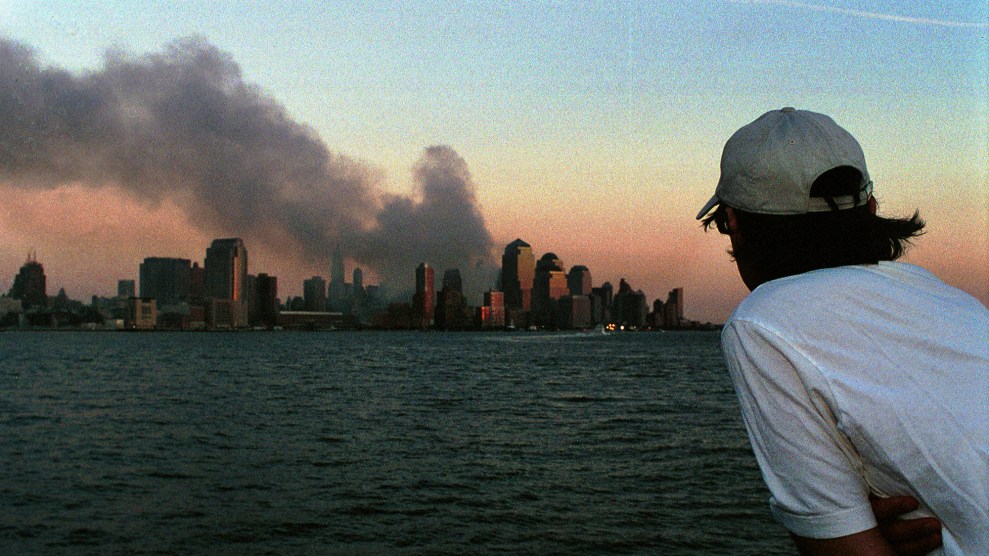
As the country prepares to mark the 20th anniversary of September 11, David Corn is out with a must-read column on one of the most enduring tragedies of the attacks, one that still haunts US foreign policy and our general engagement with the rest of the world. It's a sobering read, to be sure. But a critical one as the United States considers its role on the international stage, particularly after the "America First" mantra that governed the last White House.

You also don't want to miss Nathalie Baptiste on the strange, almost unbelievable grip that American patriotism had on pop culture in the aftermath of the attacks. (Toby Keith, Lizzy McGuire, 24, yikes!) And be sure to read Tim Murphy's excellent examination of the 2010 ground-zero mosque fight—and how the ugly incident provides essential context for where American politics has landed.

"I’ll always think of the summer of 2010, and the weaponization of a construction project in Manhattan, as a flickering glimpse of things to come—not just the political potency of foaming prejudice against Muslims, but also the readiness with which those pushing the story were accommodated," Murphy writes.

—Inae Oh

Advertisement

ACLU
Top Story
 
Top Story

Remember when we were all going to care more about the rest of the world?

BY DAVID CORN

Advertisement

ACLU
Weekend Reads
 
Special Feature

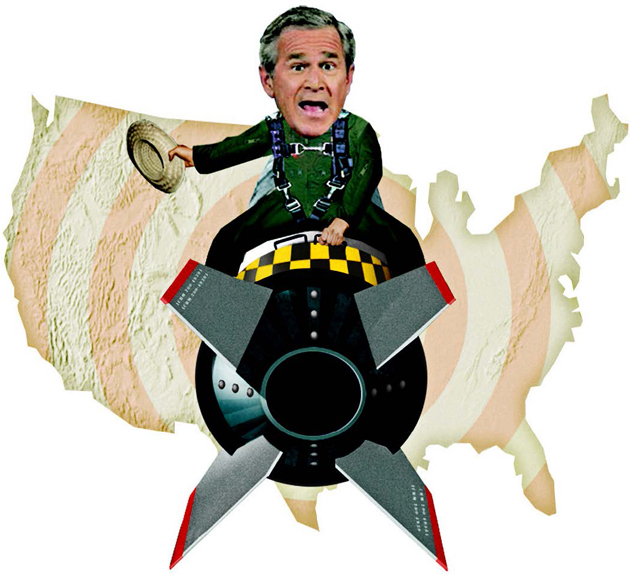
Mushroom clouds, duct tape, Judy Miller, Curveball. Recalling how Americans were sold a bogus case for invasion.

BY JONATHAN STEIN AND TIM DICKINSON

Fiercely Independent
 

Support from readers allows Mother Jones to do journalism that doesn't just follow the pack.

Recharge

SOME GOOD NEWS, FOR ONCE

It’s Friday. I’m gonna wager that you won’t agree with everything on this list of what’s “gotten better” in the past 20 years. So, go ahead, order a la carte: On today’s menu is a seasonal assortment of purportedly good things crowdsourced by University of Virginia postdoctoral fellow David Walsh, who’d asked casually on Twitter: “What has gotten materially better in America in, say, the last twenty years?”

Answers rang in. So many that Reason magazine editor Elizabeth Nolan Brown compiled top entries, from “HIV care” to “better cannabis quality” to “home entertainment” to “information access.” Also in the winner’s circle: “bicycling infrastructure,” “digital reading experience,” “automobile efficiency and safety,” “acceptance of neurodiversity,” “restaurant food variety and quality [including vegetarian and vegan],” “cameras,” “digital video,” “smoking rates,” “getting dressed,” “hygiene products,” “being a nerd,” and, uh, an inappropriate one.

If you can access each.

As you were.

—Daniel King

Did you enjoy this newsletter? Help us out by forwarding it to a friend or sharing it on Facebook and Twitter.

31 August 2021

MOTHER JONES DAILY; Does Banning the Taliban From Social Media Actually Help Afghans?, The anti-vax lawyer representing January 6 rioters has suddenly gone missing, It took approximately zero seconds for hawks to make the Afghanistan withdrawal about China, As Hurricane Ida strands thousands, the police would rather focus on "anti-looting" patrols, Florida's COVID surge is taxing its ability to purify drinking water, England Intends to Ban Single-Use Culinary Plastics—Very Slowly,A New Website Catalogs More Than 250 Black Films Currently Streaming


Mother Jones Daily Newsletter
 

August 31, 2021

It's the last day of August, and the United States' involvement in Afghanistan is officially over.

As the Taliban claims victory, more than 100 Americans remain in the country, though the State Department has said that it plans to assist those who want to leave. Secretary of State Antony Blinken said yesterday that more than 123,000 people had been safely flown out of Afghanistan, including about 6,000 US citizens.

Meanwhile, conservative war hawks are spinning US withdrawal from Afghanistan as a win for China. Social media executives are grappling with the thorny issue of whether to ban the Taliban from their sites. And President Biden will have to figure out how to continue diplomatic relations with a Taliban-run government.

Biden just discussed the future of US foreign policy in Afghanistan. Watch his remarks here.

Abigail Weinberg

Advertisement

House Donations Ad
Top Story
 
Top Story

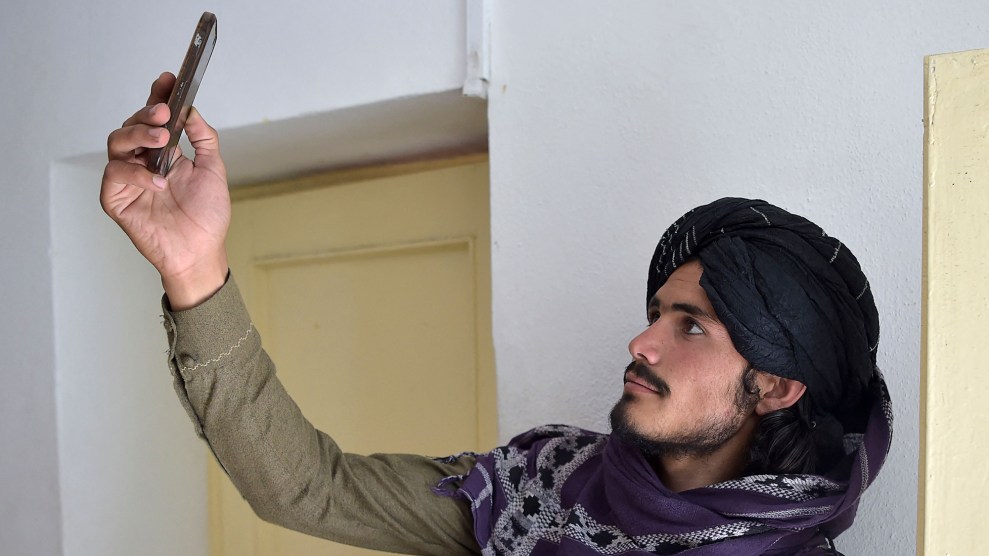
The conundrum of how companies handle the new regime.

BY ALI BRELAND

Advertisement

House Subscriptions Ad
Food
 
Special Feature

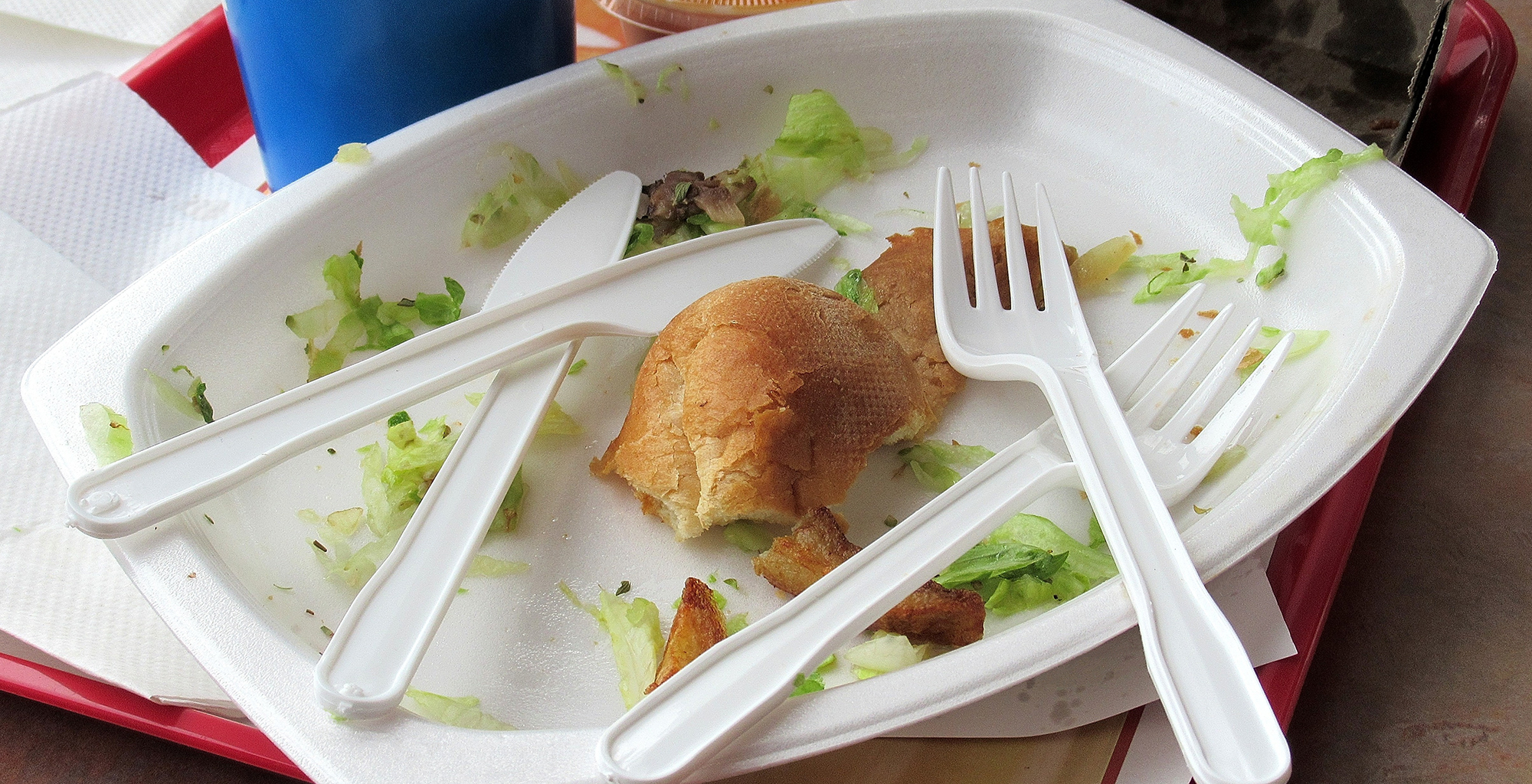
"This snail-paced, piecemeal approach isn’t leadership.”

BY DAMIAN CARRINGTON

Fiercely Independent
 

Support from readers allows Mother Jones to do journalism that doesn't just follow the pack.

Recharge

SOME GOOD NEWS, FOR ONCE

Forget the idea that Black cinema primarily depicts a singular set of storylines and themes centered on shared trauma, says screenwriter Maya Cade, who spent a year cataloging more than 250 currently streaming Black films from between 1915 and 1979. Her effort to make that rich history easily accessible culminated in the launch of the Black Film Archive last week. From silent films to horror flicks to blockbuster comedies and romance, Black cinema spans ever-expanding genres and generations, now archived on her site.

In her introductory note, Cade writes that the films appearing in the archive “have something significant to say about the Black experience; speak to Black audiences; and/or have a Black star, writer, producer, or director.” The intentionally broad criteria is an attempt to expand the ways Black films are framed. “I’ve been thinking a lot about the fact that the act of making Black film history accessible is the act of transforming collective memory,” Cade told me. “To intentionally preserve is to remember, and to remember is to reimagine what the future can hold. Here, the films can be many things, and among those things are being remembered, treasured, and seen.”

Beyond archiving, Cade is also one of the vanishingly few people to use Twitter to spread joy, bringing snippets of cultural history—and countless gems from cinema as a whole—to her followers’ feeds every day. She’ll continue updating the archive monthly and maintaining a supplemental newsletter. Explore the rich range of Black film: If you find yourself with an hour to spare, pick a movie and start streaming.

—Abigail Weinberg

Did you enjoy this newsletter? Help us out by forwarding it to a friend or sharing it on Facebook and Twitter.