THERE is a difference of opinion on the Iran nuclear deal in the Jewish community in the U.S. Not all Jews want their representatives and senators in D.C. to vote against the deal. Here is the argument for giving peace a chance and their letter from 340 rabbis to congress calling for the approval of the deal. And consider signing and calling on congress to support and pass this deal (link above). From +Sojourners and +Ameinu ......
340 U.S. Rabbis: ‘We Support This Historic Nuclear Accord’
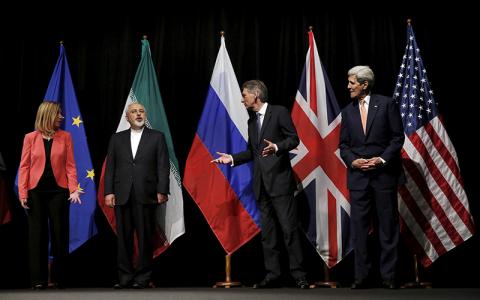
Image via RNS/REUTERS/Carlos Barria
For the Jewish people, the pursuit of peace is a fundamental
religious duty. Our tradition implores us to "seek peace, and pursue it"
(Psalms 34:14); unlike other commandments that obligate us when they
come our way, we must pursue peace at every opportunity.
The
deal with Iran seeks to prevent Tehran from obtaining a nuclear bomb
while also reaffirming the United States’ commitment to the pursuit of
peaceful foreign policy solutions. We are not naive about the dangers of
Iran’s nuclear program and regional ambitions; we embrace the agreement
precisely because it is our best available option to ensure the
security of the United States, Israel, and the entire world.
In
light of this agreement, we are deeply concerned with the mistaken
impression that the current leadership of the American Jewish community
is united in opposition to the agreement. Despite what has been
portrayed, these leaders do not represent the majority of Jewish
Americans who support Congress’ approval of this deal. We, along with
many other Jewish leaders, support this historic nuclear accord by the
world’s most powerful nations and believe it is our best hope of
preventing a nuclear-armed Iran.
Some people claim that to fully support
the State of Israel and its security needs, American Jews must oppose
the deal. This is simply untrue. In fact, we’ve seen many of the leaders
of Israel’s military and intelligence community declare that this deal
is the best path for Israel moving forward.
The pursuit of
peaceful solutions is rife with uncertainties. While there is a real and
severe sanctions snapback provision were Iran to cheat, there are no
absolute guarantees. We hope that the United States, Israel, and our
other allies will work together to challenge Iran’s support of terrorist
groups and other destabilizing actions in the region. We hope the
United States and Israel will work to reaffirm our close friendship and
work together in the defense of our shared values.
What is
certain is that rejection of the deal would end the international
sanctions regime and enable Iran to develop a nuclear bomb within two to
three months. What is certain is that Iran will be much further from
obtaining a nuclear weapon with this deal than it will be without.
While
we represent over 300 leading rabbis in support of the agreement, we
also understand the divisiveness of this serious issue. Intellectual
dispute is fundamental to Jewish learning and we welcome the wide range
of perspectives and careful analysis. We hope that the disparate
opinions among many mainstream members of the American Jewish community
are welcomed with the respect and thoughtfulness they deserve.
As
Jews, we are deeply committed to the welfare of the State of Israel. We
understand the concerns of Prime Minister Benjamin Netanyahu and many
Jews around the world about the character of Iran’s leaders. We
acknowledge these valid reservations, but we believe a nuclear-armed
Iran is an even greater danger to Israel’s security. We believe that
this deal is our best available option at halting Iran’s nuclear weapons
program.
We
commend the United States negotiating team, including Secretary of
State John Kerry and Secretary of Energy Ernest Moniz, along with the
six major powers negotiating with Iran — Britain, China, France,
Germany, Russia, and the United States — for their courage and
dedication in reaching an agreement to prevent Iran from obtaining
nuclear weapons. As Jews committed to the highest values of our
tradition, as Americans who support nonproliferation, and as staunch
supporters of the security of the State of Israel, we urge our elected
officials to support this accord.
This statement was signed by 340 rabbis. This letter is reprinted with permission from Religion News Service.
Rabbi Steven Bob serves as a senior rabbi in Lombard, Ill.
Rabbi Sam Gordon is a lead rabbi in Wilmette, Ill.
Rabbi Rachel Mikva directs the Center for Jewish, Christian and Islamic Studies in Chicago, Ill.
Rabbi Burt Visotzky, Ph.D., works and lives in New York City where he has served as a rabbi for 38 years.
- See more at: https://sojo.net/articles/340-us-rabbis-we-support-historic-nuclear-accord#sthash.6OrRwvDF.dpuf
340 U.S. Rabbis: ‘We Support This Historic Nuclear Accord’
Image via RNS/REUTERS/Carlos Barria
For the Jewish people, the pursuit of peace is a fundamental
religious duty. Our tradition implores us to "seek peace, and pursue it"
(Psalms 34:14); unlike other commandments that obligate us when they
come our way, we must pursue peace at every opportunity.
The
deal with Iran seeks to prevent Tehran from obtaining a nuclear bomb
while also reaffirming the United States’ commitment to the pursuit of
peaceful foreign policy solutions. We are not naive about the dangers of
Iran’s nuclear program and regional ambitions; we embrace the agreement
precisely because it is our best available option to ensure the
security of the United States, Israel, and the entire world.
In
light of this agreement, we are deeply concerned with the mistaken
impression that the current leadership of the American Jewish community
is united in opposition to the agreement. Despite what has been
portrayed, these leaders do not represent the majority of Jewish
Americans who support Congress’ approval of this deal. We, along with
many other Jewish leaders, support this historic nuclear accord by the
world’s most powerful nations and believe it is our best hope of
preventing a nuclear-armed Iran.
Some people claim that to fully support
the State of Israel and its security needs, American Jews must oppose
the deal. This is simply untrue. In fact, we’ve seen many of the leaders
of Israel’s military and intelligence community declare that this deal
is the best path for Israel moving forward.
The pursuit of
peaceful solutions is rife with uncertainties. While there is a real and
severe sanctions snapback provision were Iran to cheat, there are no
absolute guarantees. We hope that the United States, Israel, and our
other allies will work together to challenge Iran’s support of terrorist
groups and other destabilizing actions in the region. We hope the
United States and Israel will work to reaffirm our close friendship and
work together in the defense of our shared values.
What is
certain is that rejection of the deal would end the international
sanctions regime and enable Iran to develop a nuclear bomb within two to
three months. What is certain is that Iran will be much further from
obtaining a nuclear weapon with this deal than it will be without.
While
we represent over 300 leading rabbis in support of the agreement, we
also understand the divisiveness of this serious issue. Intellectual
dispute is fundamental to Jewish learning and we welcome the wide range
of perspectives and careful analysis. We hope that the disparate
opinions among many mainstream members of the American Jewish community
are welcomed with the respect and thoughtfulness they deserve.
As
Jews, we are deeply committed to the welfare of the State of Israel. We
understand the concerns of Prime Minister Benjamin Netanyahu and many
Jews around the world about the character of Iran’s leaders. We
acknowledge these valid reservations, but we believe a nuclear-armed
Iran is an even greater danger to Israel’s security. We believe that
this deal is our best available option at halting Iran’s nuclear weapons
program.
We
commend the United States negotiating team, including Secretary of
State John Kerry and Secretary of Energy Ernest Moniz, along with the
six major powers negotiating with Iran — Britain, China, France,
Germany, Russia, and the United States — for their courage and
dedication in reaching an agreement to prevent Iran from obtaining
nuclear weapons. As Jews committed to the highest values of our
tradition, as Americans who support nonproliferation, and as staunch
supporters of the security of the State of Israel, we urge our elected
officials to support this accord.
This statement was signed by 340 rabbis. This letter is reprinted with permission from Religion News Service.
Rabbi Steven Bob serves as a senior rabbi in Lombard, Ill.
Rabbi Sam Gordon is a lead rabbi in Wilmette, Ill.
Rabbi Rachel Mikva directs the Center for Jewish, Christian and Islamic Studies in Chicago, Ill.
Rabbi Burt Visotzky, Ph.D., works and lives in New York City where he has served as a rabbi for 38 years.
- See more at: https://sojo.net/articles/340-us-rabbis-we-support-historic-nuclear-accord#sthash.l2kWOrf3.dpuf
Image via RNS/REUTERS/Carlos Barria
For the Jewish people, the pursuit of peace is a fundamental
religious duty. Our tradition implores us to "seek peace, and pursue it"
(Psalms 34:14); unlike other commandments that obligate us when they
come our way, we must pursue peace at every opportunity.
The
deal with Iran seeks to prevent Tehran from obtaining a nuclear bomb
while also reaffirming the United States’ commitment to the pursuit of
peaceful foreign policy solutions. We are not naive about the dangers of
Iran’s nuclear program and regional ambitions; we embrace the agreement
precisely because it is our best available option to ensure the
security of the United States, Israel, and the entire world.
In
light of this agreement, we are deeply concerned with the mistaken
impression that the current leadership of the American Jewish community
is united in opposition to the agreement. Despite what has been
portrayed, these leaders do not represent the majority of Jewish
Americans who support Congress’ approval of this deal. We, along with
many other Jewish leaders, support this historic nuclear accord by the
world’s most powerful nations and believe it is our best hope of
preventing a nuclear-armed Iran.
Some people claim that to fully support
the State of Israel and its security needs, American Jews must oppose
the deal. This is simply untrue. In fact, we’ve seen many of the leaders
of Israel’s military and intelligence community declare that this deal
is the best path for Israel moving forward.
The pursuit of
peaceful solutions is rife with uncertainties. While there is a real and
severe sanctions snapback provision were Iran to cheat, there are no
absolute guarantees. We hope that the United States, Israel, and our
other allies will work together to challenge Iran’s support of terrorist
groups and other destabilizing actions in the region. We hope the
United States and Israel will work to reaffirm our close friendship and
work together in the defense of our shared values.
What is
certain is that rejection of the deal would end the international
sanctions regime and enable Iran to develop a nuclear bomb within two to
three months. What is certain is that Iran will be much further from
obtaining a nuclear weapon with this deal than it will be without.
While
we represent over 300 leading rabbis in support of the agreement, we
also understand the divisiveness of this serious issue. Intellectual
dispute is fundamental to Jewish learning and we welcome the wide range
of perspectives and careful analysis. We hope that the disparate
opinions among many mainstream members of the American Jewish community
are welcomed with the respect and thoughtfulness they deserve.
As
Jews, we are deeply committed to the welfare of the State of Israel. We
understand the concerns of Prime Minister Benjamin Netanyahu and many
Jews around the world about the character of Iran’s leaders. We
acknowledge these valid reservations, but we believe a nuclear-armed
Iran is an even greater danger to Israel’s security. We believe that
this deal is our best available option at halting Iran’s nuclear weapons
program.
We
commend the United States negotiating team, including Secretary of
State John Kerry and Secretary of Energy Ernest Moniz, along with the
six major powers negotiating with Iran — Britain, China, France,
Germany, Russia, and the United States — for their courage and
dedication in reaching an agreement to prevent Iran from obtaining
nuclear weapons. As Jews committed to the highest values of our
tradition, as Americans who support nonproliferation, and as staunch
supporters of the security of the State of Israel, we urge our elected
officials to support this accord.
This statement was signed by 340 rabbis. This letter is reprinted with permission from Religion News Service.
Rabbi Steven Bob serves as a senior rabbi in Lombard, Ill.
Rabbi Sam Gordon is a lead rabbi in Wilmette, Ill.
Rabbi Rachel Mikva directs the Center for Jewish, Christian and Islamic Studies in Chicago, Ill.
Rabbi Burt Visotzky, Ph.D., works and lives in New York City where he has served as a rabbi for 38 years.
- See more at: https://sojo.net/articles/340-us-rabbis-we-support-historic-nuclear-accord#sthash.l2kWOrf3.dpuf
Call for International Partners to Strengthen Efforts to Confront Iranian Support for Terrorism and other Threats
For Immediate Release
New York, NY, August 17, 2015
For More Information, or to Connect with the Rabbis Organizing this Campaign, Please Contact:
Gideon Aronoff; 212 366-1194; Gideon@Ameinu.net
Today, 340 rabbis from all streams of Judaism sent a
letter to all Members of Congress urging that they support the
agreement between the international community and Iran on the Iranian
nuclear program.
“We commend the U.S. and the other negotiating teams for their
dedication to reaching an agreement to prevent Iran from obtaining
nuclear weapons. This deal is good for the United States and our allies
in the region, and is the best arrangement possible given current
international realities,” declared Rabbi Steven Bob of Glen Ellyn, IL.
Rabbi Rachel Mikva of Chicago added, “A wide array of views about the
nuclear deal exist among American Jews, as demonstrated in the recent
Jewish Journal poll that showed 49% approving of the agreement (31%
opposed) and 53% wanting Congress to approve it (35% opposed). However
many Jewish Federations, AIPAC and other leading national Jewish
organizations are campaigning in opposition, which is being interpreted
to mean that American Jews want to see the deal scrapped. This is a
false and dangerous message that we as rabbis hope to counter with our
letter to Congress.”
“If Congress ultimately rejects the deal, the consequences for the
United States, Israel, the Jewish community and the world will be
significant. We fear that the outcome will be the collapse of the
international sanctions regime, an Iranian race for nuclear weapons and
an associated arms race in the Middle East and isolation of Israel and
the United States from international partners,” said Rabbi Samuel Gordon
of Wilmette, IL.
Rabbi Burton Visotzky of New York City concluded, “While we believe
the deal is a positive approach to the Iranian nuclear issue, we remain
gravely concerned about Iranian support for terrorist groups and other
destabilizing actions in the region. These threats must be countered
aggressively by the international community. The misguided campaign to
scuttle the nuclear deal harms the ability of Israel to join with the
United States and regional allies to create a powerful coalition against
Iran.”
The letter to Congress with signatures is included below.
August 17, 2015
Members of the U.S. House of Representatives
Members of the U.S. Senate
As rabbis, we support the agreement between the United States, the
United Kingdom, France, Germany, China, Russia and Iran– The Joint
Comprehensive Plan of Action. We encourage the members of the Senate and
the House of Representatives to endorse this agreement.
The Obama administration has successfully brought together the major
international powers to confront Iran over its nuclear ambitions. The
broad international sanctions moved Iran to enter this historic
agreement. Should this agreement be rejected by the U.S. Congress, those
sanctions will end. There will be no new negotiations, as the other
member countries are fully in favor of this agreement and have no desire
to re-negotiate.
We understand that while this agreement blocks Iran’s path to a
nuclear bomb, we recognize it does not deal with Iran’s support for
terror, but that was never the purpose of these talks. Now that a
nuclear agreement has been reached, we call on the United States and its
international partners to strengthen their resolve and dedicate
additional resources to confront Iranian threats to Israel and other
states.
Most especially, we are deeply concerned with the impression that the
leadership of the American Jewish community is united in opposition to
the agreement. We, along with many other Jewish leaders, fully support
this historic nuclear accord.
- See more at:
http://www.ameinu.net/newsroom/press-release/340-rabbis-urge-congress-to-support-nuclear-deal-with-iran/#sthash.xf90pwz3.dpuf SEE all the signatories by clicking the title of the article.
340 U.S. Rabbis: ‘We Support This Historic Nuclear Accord’
Image via RNS/REUTERS/Carlos Barria
For the Jewish people, the pursuit of peace is a fundamental
religious duty. Our tradition implores us to "seek peace, and pursue it"
(Psalms 34:14); unlike other commandments that obligate us when they
come our way, we must pursue peace at every opportunity.
The
deal with Iran seeks to prevent Tehran from obtaining a nuclear bomb
while also reaffirming the United States’ commitment to the pursuit of
peaceful foreign policy solutions. We are not naive about the dangers of
Iran’s nuclear program and regional ambitions; we embrace the agreement
precisely because it is our best available option to ensure the
security of the United States, Israel, and the entire world.
In
light of this agreement, we are deeply concerned with the mistaken
impression that the current leadership of the American Jewish community
is united in opposition to the agreement. Despite what has been
portrayed, these leaders do not represent the majority of Jewish
Americans who support Congress’ approval of this deal. We, along with
many other Jewish leaders, support this historic nuclear accord by the
world’s most powerful nations and believe it is our best hope of
preventing a nuclear-armed Iran.
Some people claim that to fully support
the State of Israel and its security needs, American Jews must oppose
the deal. This is simply untrue. In fact, we’ve seen many of the leaders
of Israel’s military and intelligence community declare that this deal
is the best path for Israel moving forward.
The pursuit of
peaceful solutions is rife with uncertainties. While there is a real and
severe sanctions snapback provision were Iran to cheat, there are no
absolute guarantees. We hope that the United States, Israel, and our
other allies will work together to challenge Iran’s support of terrorist
groups and other destabilizing actions in the region. We hope the
United States and Israel will work to reaffirm our close friendship and
work together in the defense of our shared values.
What is
certain is that rejection of the deal would end the international
sanctions regime and enable Iran to develop a nuclear bomb within two to
three months. What is certain is that Iran will be much further from
obtaining a nuclear weapon with this deal than it will be without.
While
we represent over 300 leading rabbis in support of the agreement, we
also understand the divisiveness of this serious issue. Intellectual
dispute is fundamental to Jewish learning and we welcome the wide range
of perspectives and careful analysis. We hope that the disparate
opinions among many mainstream members of the American Jewish community
are welcomed with the respect and thoughtfulness they deserve.
As
Jews, we are deeply committed to the welfare of the State of Israel. We
understand the concerns of Prime Minister Benjamin Netanyahu and many
Jews around the world about the character of Iran’s leaders. We
acknowledge these valid reservations, but we believe a nuclear-armed
Iran is an even greater danger to Israel’s security. We believe that
this deal is our best available option at halting Iran’s nuclear weapons
program.
We
commend the United States negotiating team, including Secretary of
State John Kerry and Secretary of Energy Ernest Moniz, along with the
six major powers negotiating with Iran — Britain, China, France,
Germany, Russia, and the United States — for their courage and
dedication in reaching an agreement to prevent Iran from obtaining
nuclear weapons. As Jews committed to the highest values of our
tradition, as Americans who support nonproliferation, and as staunch
supporters of the security of the State of Israel, we urge our elected
officials to support this accord.
This statement was signed by 340 rabbis. This letter is reprinted with permission from Religion News Service.
Rabbi Steven Bob serves as a senior rabbi in Lombard, Ill.
Rabbi Sam Gordon is a lead rabbi in Wilmette, Ill.
Rabbi Rachel Mikva directs the Center for Jewish, Christian and Islamic Studies in Chicago, Ill.
Rabbi Burt Visotzky, Ph.D., works and lives in New York City where he has served as a rabbi for 38 years.
- See more at: https://sojo.net/articles/340-us-rabbis-we-support-historic-nuclear-accord#sthash.l2kWOrf3.dpuf
340 U.S. Rabbis: ‘We Support This Historic Nuclear Accord’
Image via RNS/REUTERS/Carlos Barria
For the Jewish people, the pursuit of peace is a fundamental
religious duty. Our tradition implores us to "seek peace, and pursue it"
(Psalms 34:14); unlike other commandments that obligate us when they
come our way, we must pursue peace at every opportunity.
The
deal with Iran seeks to prevent Tehran from obtaining a nuclear bomb
while also reaffirming the United States’ commitment to the pursuit of
peaceful foreign policy solutions. We are not naive about the dangers of
Iran’s nuclear program and regional ambitions; we embrace the agreement
precisely because it is our best available option to ensure the
security of the United States, Israel, and the entire world.
In
light of this agreement, we are deeply concerned with the mistaken
impression that the current leadership of the American Jewish community
is united in opposition to the agreement. Despite what has been
portrayed, these leaders do not represent the majority of Jewish
Americans who support Congress’ approval of this deal. We, along with
many other Jewish leaders, support this historic nuclear accord by the
world’s most powerful nations and believe it is our best hope of
preventing a nuclear-armed Iran.
Some people claim that to fully support
the State of Israel and its security needs, American Jews must oppose
the deal. This is simply untrue. In fact, we’ve seen many of the leaders
of Israel’s military and intelligence community declare that this deal
is the best path for Israel moving forward.
The pursuit of
peaceful solutions is rife with uncertainties. While there is a real and
severe sanctions snapback provision were Iran to cheat, there are no
absolute guarantees. We hope that the United States, Israel, and our
other allies will work together to challenge Iran’s support of terrorist
groups and other destabilizing actions in the region. We hope the
United States and Israel will work to reaffirm our close friendship and
work together in the defense of our shared values.
What is
certain is that rejection of the deal would end the international
sanctions regime and enable Iran to develop a nuclear bomb within two to
three months. What is certain is that Iran will be much further from
obtaining a nuclear weapon with this deal than it will be without.
While
we represent over 300 leading rabbis in support of the agreement, we
also understand the divisiveness of this serious issue. Intellectual
dispute is fundamental to Jewish learning and we welcome the wide range
of perspectives and careful analysis. We hope that the disparate
opinions among many mainstream members of the American Jewish community
are welcomed with the respect and thoughtfulness they deserve.
As
Jews, we are deeply committed to the welfare of the State of Israel. We
understand the concerns of Prime Minister Benjamin Netanyahu and many
Jews around the world about the character of Iran’s leaders. We
acknowledge these valid reservations, but we believe a nuclear-armed
Iran is an even greater danger to Israel’s security. We believe that
this deal is our best available option at halting Iran’s nuclear weapons
program.
We
commend the United States negotiating team, including Secretary of
State John Kerry and Secretary of Energy Ernest Moniz, along with the
six major powers negotiating with Iran — Britain, China, France,
Germany, Russia, and the United States — for their courage and
dedication in reaching an agreement to prevent Iran from obtaining
nuclear weapons. As Jews committed to the highest values of our
tradition, as Americans who support nonproliferation, and as staunch
supporters of the security of the State of Israel, we urge our elected
officials to support this accord.
This statement was signed by 340 rabbis. This letter is reprinted with permission from Religion News Service.
Rabbi Steven Bob serves as a senior rabbi in Lombard, Ill.
Rabbi Sam Gordon is a lead rabbi in Wilmette, Ill.
Rabbi Rachel Mikva directs the Center for Jewish, Christian and Islamic Studies in Chicago, Ill.
Rabbi Burt Visotzky, Ph.D., works and lives in New York City where he has served as a rabbi for 38 years.
- See more at: https://sojo.net/articles/340-us-rabbis-we-support-historic-nuclear-accord#sthash.6OrRwvDF.dpuf
340 Rabbis Urge Congress to Support Nuclear Deal with Iran
Call for International Partners to Strengthen Efforts to Confront Iranian Support for Terrorism and other Threats
For Immediate Release
New York, NY, August 17, 2015
For More Information, or to Connect with the Rabbis Organizing this Campaign, Please Contact:
Gideon Aronoff; 212 366-1194; Gideon@Ameinu.net
Today, 340 rabbis from all streams of Judaism sent a
letter to all Members of Congress urging that they support the
agreement between the international community and Iran on the Iranian
nuclear program.
“We commend the U.S. and the other negotiating teams for their
dedication to reaching an agreement to prevent Iran from obtaining
nuclear weapons. This deal is good for the United States and our allies
in the region, and is the best arrangement possible given current
international realities,” declared Rabbi Steven Bob of Glen Ellyn, IL.
Rabbi Rachel Mikva of Chicago added, “A wide array of views about the
nuclear deal exist among American Jews, as demonstrated in the recent
Jewish Journal poll that showed 49% approving of the agreement (31%
opposed) and 53% wanting Congress to approve it (35% opposed). However
many Jewish Federations, AIPAC and other leading national Jewish
organizations are campaigning in opposition, which is being interpreted
to mean that American Jews want to see the deal scrapped. This is a
false and dangerous message that we as rabbis hope to counter with our
letter to Congress.”
“If Congress ultimately rejects the deal, the consequences for the
United States, Israel, the Jewish community and the world will be
significant. We fear that the outcome will be the collapse of the
international sanctions regime, an Iranian race for nuclear weapons and
an associated arms race in the Middle East and isolation of Israel and
the United States from international partners,” said Rabbi Samuel Gordon
of Wilmette, IL.
Rabbi Burton Visotzky of New York City concluded, “While we believe
the deal is a positive approach to the Iranian nuclear issue, we remain
gravely concerned about Iranian support for terrorist groups and other
destabilizing actions in the region. These threats must be countered
aggressively by the international community. The misguided campaign to
scuttle the nuclear deal harms the ability of Israel to join with the
United States and regional allies to create a powerful coalition against
Iran.”
The letter to Congress with signatures is included below.
August 17, 2015
Members of the U.S. House of Representatives
Members of the U.S. Senate
As rabbis, we support the agreement between the United States, the
United Kingdom, France, Germany, China, Russia and Iran– The Joint
Comprehensive Plan of Action. We encourage the members of the Senate and
the House of Representatives to endorse this agreement.
The Obama administration has successfully brought together the major
international powers to confront Iran over its nuclear ambitions. The
broad international sanctions moved Iran to enter this historic
agreement. Should this agreement be rejected by the U.S. Congress, those
sanctions will end. There will be no new negotiations, as the other
member countries are fully in favor of this agreement and have no desire
to re-negotiate.
We understand that while this agreement blocks Iran’s path to a
nuclear bomb, we recognize it does not deal with Iran’s support for
terror, but that was never the purpose of these talks. Now that a
nuclear agreement has been reached, we call on the United States and its
international partners to strengthen their resolve and dedicate
additional resources to confront Iranian threats to Israel and other
states.
Most especially, we are deeply concerned with the impression that the
leadership of the American Jewish community is united in opposition to
the agreement. We, along with many other Jewish leaders, fully support
this historic nuclear accord.
- See more at:
http://www.ameinu.net/newsroom/press-release/340-rabbis-urge-congress-to-support-nuclear-deal-with-iran/#sthash.lY1Af1Md.dpuf
340 Rabbis Urge Congress to Support Nuclear Deal with Iran
Call for International Partners to Strengthen Efforts to Confront Iranian Support for Terrorism and other Threats
For Immediate Release
New York, NY, August 17, 2015
For More Information, or to Connect with the Rabbis Organizing this Campaign, Please Contact:
Gideon Aronoff; 212 366-1194; Gideon@Ameinu.net
Today, 340 rabbis from all streams of Judaism sent a
letter to all Members of Congress urging that they support the
agreement between the international community and Iran on the Iranian
nuclear program.
“We commend the U.S. and the other negotiating teams for their
dedication to reaching an agreement to prevent Iran from obtaining
nuclear weapons. This deal is good for the United States and our allies
in the region, and is the best arrangement possible given current
international realities,” declared Rabbi Steven Bob of Glen Ellyn, IL.
Rabbi Rachel Mikva of Chicago added, “A wide array of views about the
nuclear deal exist among American Jews, as demonstrated in the recent
Jewish Journal poll that showed 49% approving of the agreement (31%
opposed) and 53% wanting Congress to approve it (35% opposed). However
many Jewish Federations, AIPAC and other leading national Jewish
organizations are campaigning in opposition, which is being interpreted
to mean that American Jews want to see the deal scrapped. This is a
false and dangerous message that we as rabbis hope to counter with our
letter to Congress.”
“If Congress ultimately rejects the deal, the consequences for the
United States, Israel, the Jewish community and the world will be
significant. We fear that the outcome will be the collapse of the
international sanctions regime, an Iranian race for nuclear weapons and
an associated arms race in the Middle East and isolation of Israel and
the United States from international partners,” said Rabbi Samuel Gordon
of Wilmette, IL.
Rabbi Burton Visotzky of New York City concluded, “While we believe
the deal is a positive approach to the Iranian nuclear issue, we remain
gravely concerned about Iranian support for terrorist groups and other
destabilizing actions in the region. These threats must be countered
aggressively by the international community. The misguided campaign to
scuttle the nuclear deal harms the ability of Israel to join with the
United States and regional allies to create a powerful coalition against
Iran.”
The letter to Congress with signatures is included below.
August 17, 2015
Members of the U.S. House of Representatives
Members of the U.S. Senate
As rabbis, we support the agreement between the United States, the
United Kingdom, France, Germany, China, Russia and Iran– The Joint
Comprehensive Plan of Action. We encourage the members of the Senate and
the House of Representatives to endorse this agreement.
The Obama administration has successfully brought together the major
international powers to confront Iran over its nuclear ambitions. The
broad international sanctions moved Iran to enter this historic
agreement. Should this agreement be rejected by the U.S. Congress, those
sanctions will end. There will be no new negotiations, as the other
member countries are fully in favor of this agreement and have no desire
to re-negotiate.
We understand that while this agreement blocks Iran’s path to a
nuclear bomb, we recognize it does not deal with Iran’s support for
terror, but that was never the purpose of these talks. Now that a
nuclear agreement has been reached, we call on the United States and its
international partners to strengthen their resolve and dedicate
additional resources to confront Iranian threats to Israel and other
states.
Most especially, we are deeply concerned with the impression that the
leadership of the American Jewish community is united in opposition to
the agreement. We, along with many other Jewish leaders, fully support
this historic nuclear accord.
- See more at:
http://www.ameinu.net/newsroom/press-release/340-rabbis-urge-congress-to-support-nuclear-deal-with-iran/#sthash.xf90pwz3.dpuf
340 U.S. Rabbis: ‘We Support This Historic Nuclear Accord’
Image via RNS/REUTERS/Carlos Barria
For the Jewish people, the pursuit of peace is a fundamental
religious duty. Our tradition implores us to "seek peace, and pursue it"
(Psalms 34:14); unlike other commandments that obligate us when they
come our way, we must pursue peace at every opportunity.
The
deal with Iran seeks to prevent Tehran from obtaining a nuclear bomb
while also reaffirming the United States’ commitment to the pursuit of
peaceful foreign policy solutions. We are not naive about the dangers of
Iran’s nuclear program and regional ambitions; we embrace the agreement
precisely because it is our best available option to ensure the
security of the United States, Israel, and the entire world.
In
light of this agreement, we are deeply concerned with the mistaken
impression that the current leadership of the American Jewish community
is united in opposition to the agreement. Despite what has been
portrayed, these leaders do not represent the majority of Jewish
Americans who support Congress’ approval of this deal. We, along with
many other Jewish leaders, support this historic nuclear accord by the
world’s most powerful nations and believe it is our best hope of
preventing a nuclear-armed Iran.
Some people claim that to fully support
the State of Israel and its security needs, American Jews must oppose
the deal. This is simply untrue. In fact, we’ve seen many of the leaders
of Israel’s military and intelligence community declare that this deal
is the best path for Israel moving forward.
The pursuit of
peaceful solutions is rife with uncertainties. While there is a real and
severe sanctions snapback provision were Iran to cheat, there are no
absolute guarantees. We hope that the United States, Israel, and our
other allies will work together to challenge Iran’s support of terrorist
groups and other destabilizing actions in the region. We hope the
United States and Israel will work to reaffirm our close friendship and
work together in the defense of our shared values.
What is
certain is that rejection of the deal would end the international
sanctions regime and enable Iran to develop a nuclear bomb within two to
three months. What is certain is that Iran will be much further from
obtaining a nuclear weapon with this deal than it will be without.
While
we represent over 300 leading rabbis in support of the agreement, we
also understand the divisiveness of this serious issue. Intellectual
dispute is fundamental to Jewish learning and we welcome the wide range
of perspectives and careful analysis. We hope that the disparate
opinions among many mainstream members of the American Jewish community
are welcomed with the respect and thoughtfulness they deserve.
As
Jews, we are deeply committed to the welfare of the State of Israel. We
understand the concerns of Prime Minister Benjamin Netanyahu and many
Jews around the world about the character of Iran’s leaders. We
acknowledge these valid reservations, but we believe a nuclear-armed
Iran is an even greater danger to Israel’s security. We believe that
this deal is our best available option at halting Iran’s nuclear weapons
program.
We
commend the United States negotiating team, including Secretary of
State John Kerry and Secretary of Energy Ernest Moniz, along with the
six major powers negotiating with Iran — Britain, China, France,
Germany, Russia, and the United States — for their courage and
dedication in reaching an agreement to prevent Iran from obtaining
nuclear weapons. As Jews committed to the highest values of our
tradition, as Americans who support nonproliferation, and as staunch
supporters of the security of the State of Israel, we urge our elected
officials to support this accord.
This statement was signed by 340 rabbis. This letter is reprinted with permission from Religion News Service.
Rabbi Steven Bob serves as a senior rabbi in Lombard, Ill.
Rabbi Sam Gordon is a lead rabbi in Wilmette, Ill.
Rabbi Rachel Mikva directs the Center for Jewish, Christian and Islamic Studies in Chicago, Ill.
Rabbi Burt Visotzky, Ph.D., works and lives in New York City where he has served as a rabbi for 38 years.
- See more at: https://sojo.net/articles/340-us-rabbis-we-support-historic-nuclear-accord#sthash.zeNQV6qe.dpuf
340 Rabbis Urge Congress to Support Nuclear Deal with Iran
Call for International Partners to Strengthen Efforts to Confront Iranian Support for Terrorism and other Threats
For Immediate Release
New York, NY, August 17, 2015
For More Information, or to Connect with the Rabbis Organizing this Campaign, Please Contact:
Gideon Aronoff; 212 366-1194; Gideon@Ameinu.net
Today, 340 rabbis from all streams of Judaism sent a
letter to all Members of Congress urging that they support the
agreement between the international community and Iran on the Iranian
nuclear program.
“We commend the U.S. and the other negotiating teams for their
dedication to reaching an agreement to prevent Iran from obtaining
nuclear weapons. This deal is good for the United States and our allies
in the region, and is the best arrangement possible given current
international realities,” declared Rabbi Steven Bob of Glen Ellyn, IL.
Rabbi Rachel Mikva of Chicago added, “A wide array of views about the
nuclear deal exist among American Jews, as demonstrated in the recent
Jewish Journal poll that showed 49% approving of the agreement (31%
opposed) and 53% wanting Congress to approve it (35% opposed). However
many Jewish Federations, AIPAC and other leading national Jewish
organizations are campaigning in opposition, which is being interpreted
to mean that American Jews want to see the deal scrapped. This is a
false and dangerous message that we as rabbis hope to counter with our
letter to Congress.”
“If Congress ultimately rejects the deal, the consequences for the
United States, Israel, the Jewish community and the world will be
significant. We fear that the outcome will be the collapse of the
international sanctions regime, an Iranian race for nuclear weapons and
an associated arms race in the Middle East and isolation of Israel and
the United States from international partners,” said Rabbi Samuel Gordon
of Wilmette, IL.
Rabbi Burton Visotzky of New York City concluded, “While we believe
the deal is a positive approach to the Iranian nuclear issue, we remain
gravely concerned about Iranian support for terrorist groups and other
destabilizing actions in the region. These threats must be countered
aggressively by the international community. The misguided campaign to
scuttle the nuclear deal harms the ability of Israel to join with the
United States and regional allies to create a powerful coalition against
Iran.”
The letter to Congress with signatures is included below.
August 17, 2015
Members of the U.S. House of Representatives
Members of the U.S. Senate
As rabbis, we support the agreement between the United States, the
United Kingdom, France, Germany, China, Russia and Iran– The Joint
Comprehensive Plan of Action. We encourage the members of the Senate and
the House of Representatives to endorse this agreement.
The Obama administration has successfully brought together the major
international powers to confront Iran over its nuclear ambitions. The
broad international sanctions moved Iran to enter this historic
agreement. Should this agreement be rejected by the U.S. Congress, those
sanctions will end. There will be no new negotiations, as the other
member countries are fully in favor of this agreement and have no desire
to re-negotiate.
We understand that while this agreement blocks Iran’s path to a
nuclear bomb, we recognize it does not deal with Iran’s support for
terror, but that was never the purpose of these talks. Now that a
nuclear agreement has been reached, we call on the United States and its
international partners to strengthen their resolve and dedicate
additional resources to confront Iranian threats to Israel and other
states.
Most especially, we are deeply concerned with the impression that the
leadership of the American Jewish community is united in opposition to
the agreement. We, along with many other Jewish leaders, fully support
this historic nuclear accord.
- See more at:
http://www.ameinu.net/newsroom/press-release/340-rabbis-urge-congress-to-support-nuclear-deal-with-iran/#sthash.lY1Af1Md.dpuf
340 Rabbis Urge Congress to Support Nuclear Deal with Iran
Call for International Partners to Strengthen Efforts to Confront Iranian Support for Terrorism and other Threats
For Immediate Release
New York, NY, August 17, 2015
For More Information, or to Connect with the Rabbis Organizing this Campaign, Please Contact:
Gideon Aronoff; 212 366-1194; Gideon@Ameinu.net
Today, 340 rabbis from all streams of Judaism sent a
letter to all Members of Congress urging that they support the
agreement between the international community and Iran on the Iranian
nuclear program.
“We commend the U.S. and the other negotiating teams for their
dedication to reaching an agreement to prevent Iran from obtaining
nuclear weapons. This deal is good for the United States and our allies
in the region, and is the best arrangement possible given current
international realities,” declared Rabbi Steven Bob of Glen Ellyn, IL.
Rabbi Rachel Mikva of Chicago added, “A wide array of views about the
nuclear deal exist among American Jews, as demonstrated in the recent
Jewish Journal poll that showed 49% approving of the agreement (31%
opposed) and 53% wanting Congress to approve it (35% opposed). However
many Jewish Federations, AIPAC and other leading national Jewish
organizations are campaigning in opposition, which is being interpreted
to mean that American Jews want to see the deal scrapped. This is a
false and dangerous message that we as rabbis hope to counter with our
letter to Congress.”
“If Congress ultimately rejects the deal, the consequences for the
United States, Israel, the Jewish community and the world will be
significant. We fear that the outcome will be the collapse of the
international sanctions regime, an Iranian race for nuclear weapons and
an associated arms race in the Middle East and isolation of Israel and
the United States from international partners,” said Rabbi Samuel Gordon
of Wilmette, IL.
Rabbi Burton Visotzky of New York City concluded, “While we believe
the deal is a positive approach to the Iranian nuclear issue, we remain
gravely concerned about Iranian support for terrorist groups and other
destabilizing actions in the region. These threats must be countered
aggressively by the international community. The misguided campaign to
scuttle the nuclear deal harms the ability of Israel to join with the
United States and regional allies to create a powerful coalition against
Iran.”
The letter to Congress with signatures is included below.
August 17, 2015
Members of the U.S. House of Representatives
Members of the U.S. Senate
As rabbis, we support the agreement between the United States, the
United Kingdom, France, Germany, China, Russia and Iran– The Joint
Comprehensive Plan of Action. We encourage the members of the Senate and
the House of Representatives to endorse this agreement.
The Obama administration has successfully brought together the major
international powers to confront Iran over its nuclear ambitions. The
broad international sanctions moved Iran to enter this historic
agreement. Should this agreement be rejected by the U.S. Congress, those
sanctions will end. There will be no new negotiations, as the other
member countries are fully in favor of this agreement and have no desire
to re-negotiate.
We understand that while this agreement blocks Iran’s path to a
nuclear bomb, we recognize it does not deal with Iran’s support for
terror, but that was never the purpose of these talks. Now that a
nuclear agreement has been reached, we call on the United States and its
international partners to strengthen their resolve and dedicate
additional resources to confront Iranian threats to Israel and other
states.
Most especially, we are deeply concerned with the impression that the
leadership of the American Jewish community is united in opposition to
the agreement. We, along with many other Jewish leaders, fully support
this historic nuclear accord.
- See more at:
http://www.ameinu.net/newsroom/press-release/340-rabbis-urge-congress-to-support-nuclear-deal-with-iran/#sthash.lY1Af1Md.dpuf