BUCKNACKT'S SORDID TAWDRY BLOG
We should not be a journey to the grave with the intention of arriving safely in an attractive & well preserved body, but rather to skid in sideways, chocolate, bier or wein in hand, body thoroughly used up, totally worn out and screaming "WHOO-HOO, WHAT A RIDE!!!!!!"
Over the past three weeks there have been four separate
incidents that have led to the deaths of four unarmed black men at the
hands of police. For many black people, myself included, the moments
following these tragic events are filled with despair, sorrow,
anger, and frustration. Each incident serves as a reminder that as a
black man in America, my life holds little to no value in the eyes
of the general public. To be young and black in the United States means
to live under constant pressure, something most non-black American
citizens know nothing about.
For the majority of black people, the police do not represent
protection or safety, rather they are a menacing force that terrorize
those they are supposed to serve. I have never felt safe in the
presence of law enforcement. In fact, whenever police are in close
proximity to me, I feel in danger. Whenever a cop drives behind
me or beside me I feel anxious, not protected. Is my paranoia justified?
I have no criminal record, however I have had numerous run-ins with the police, none of which my actions provoked. The
most common of course is being followed around a store. I have never
committed a traffic violation, but I have been pulled over several
times. A few of those times I was asked to step out of my vehicle to be
frisked and forced to sit on the curb in humiliation while being
verbally intimidated and having my car searched. The reasons I was given
as to why this type of action was necessary... READ THE FULL ARTICLE HERE. Ryan Herringis Marketing and Circulation Assistant for Sojourners. You can find more of his writing at The Ghetto Monk.
ON THE GOD'S POLITICS BLOG View the latest articles from the God's Politics blog » Is There a Nonviolent Response to ISIS? by Derek FloodAlarm
and outrage have been growing over the mounting humanitarian crisis in
Iraq at the hands of the Islamic State. Christians in the region are
being forced to convert, pay tribute, or die as the al Qaeda breakaway
group sweeps into predominantly Christian villages and hamlets in Iraq,
sending tens of thousands fleeing for their lives. The news is
devastating and overwhelming.
Suicide and Pain: What Are We Missing? by Carmille AkandeYesterday
morning I was prepared to write about being a sacred place where others
could come for healing, encouragement, and restoration. I had no idea
Robin Williams committed suicide yesterday. I didn't hear the news
because all evening I was sitting with a friend who is going through one
of the most difficult times in her life. Relationships are hard.
Discipleship is messy. Love takes sacrifice. But I believe it is what
Jesus has called for us to do!
Jesus Wasn't American—Neither Is The Bible by Stephen MattsonSometimes
it seems that American Christians all read the exact same Bible—a truly
“American Standard Version,” where every verse, account, story, and
parable within scripture is interpreted through the lens of being an
American. God originally authored this scripture with the intention of
blessing America, protecting America, supporting her interests—and
generally ignoring the rest of the world. The collateral damage of this
type of thinking comes in the form of dehumanizing others.
How I Kissed Evangelizing Goodbye by Cindy BrandtI
went to the mecca of evangelicalism for college — a beautiful campus in
the suburbs of Chicago, where I received a scholarship from none other
than the Pope of evangelicalism, Billy Graham, for my work in street
evangelism. As in, speaking to random strangers on the street in order
to convert them to Christianity. NEW! In the SojoStore
Racism has been called America's "original sin."
Struggles around affirmative action, welfare and immigration reform,
and other policies show that the racial divide in the United States
wasn't healed in the civil rights era.
This study guide is designed to spark discussion and thought about how to live out God's call for justice in our world. It's perfect for small groups or individual study! Each of the 4 sessions includes Sojourners' articles, questions for discussion, and ideas for further study.
Purchase HERE!
Dame tus, tus pobres, cansados
Sus masas apiñadas, anhelando respirar libre,
El desamparado desecho de vuestras rebosantes playas,
Enviar estos, los desamparados, tempestad tost a mí,
yo levanto mi lámpara al lado de la puerta de oro.
Autor: Emma Lazarus
Muchos republicanos y té embolsadoras, así como muchos
demócratas tercera vía, y también muchos cristianos han estado acusando a
la administración de Obama de no hacer nada, o al menos no hacer lo
suficiente para detener la avalancha de los hijos de inmigrantes
ilegales de Centroamérica cruzar a la EE.UU. Somos la nación más
poderosa de la Tierra y sin embargo, nuestro gobierno y muchos en
nuestra nación tienen miedo de los niños. Me mmigration ha sido un problema desde esta nación aprobó las leyes de inmigración, el primero en 1790 que no siempre han dado la bienvenida al cansado y los pobres , las masas hacinadas anhelando respirar libre y eso es algo en nuestro pasado que debe ser recordado y que deberíamos estar avergonzados de. Y
como una nación que muchos proclaman como cristiano (cuando conviene a
nuestros propósitos), debemos estar preparados para dar la bienvenida al
extranjero en nuestra tierra como nos enseñan las Escrituras, el
Antiguo y Nuevo Testamento que hacer. Esto de + Transeúntes y + Mother Jones .....
¿Has visto las fotos del martes en Murrieta, California? Tres autobuses estaban llenos de menores no acompañados y las madres con hijos, todos huyen de la violencia en América Central. De
acuerdo con funcionarios de inmigración estadounidenses, que fueron
adoptadas por Seguridad Nacional para una estación de la Patrulla
Fronteriza de los EE.UU. para su procesamiento y eventual deportación
después de haber sido trasladado en avión a San Diego desde Texas, donde
habían cruzado la frontera de los EE.UU. en busca de seguridad. Los autobuses de los niños fueron bloqueados por los adultos que gritan que no eran buscados en Estados Unidos. Grandes
hombres blancos enojados, con carteles en los niños no sabían leer, con
rostros enojados gritando a ellos en un idioma que no entendía-cuando
ya estaban solos y lejos de sus familias y el hogar-que sin duda hará
que los niños se sienten mucho miedo. Algunos de los niños eran los informes, tan jóvenes como de seis años de edad.
Dos chicas jóvenes en un autobús. Imagen cortesía Blend Images / shutterstock.com.
El alcalde de la ciudad, Alan Long, dijo que los niños representaban una
amenaza a su comunidad y que estaba "orgulloso" de los manifestantes. Uno manifestantes de ciento cincuenta ondearon banderas estadounidenses, corearon "EE.UU.! EE.UU.! "Y gritaron a los niños asustados," Vete a casa-nosotros no te queremos aquí. " Totalmente
bloqueado lleguen al centro de procesamiento, los autobuses se dieron
la vuelta y se fueron para otro estación de la Patrulla Fronteriza, en
donde algunos de los niños habrían sido llevados a un hospital para
recibir tratamiento no especificado.
Más de 52.000 niños no acompañados de Guatemala, El Salvador y Honduras
han caminado a través de la frontera de los EE.UU. desde el pasado mes
de octubre a algunos, por desgracia, a través de las redes de trata de
personas aunque México. Miles más han llegado con sus padres. El
aumento ha superado el sistema y convertirse en una gravísima crisis
humanitaria a la que los funcionarios estadounidenses se esfuerzan por
responder. Pero esto se está politizando en Washington.
Aunque parezca increíble, algunos republicanos han utilizado esta
trágica situación como una excusa de por qué se escabulleron de
inmigración que tiene un sistema de inmigración inteligente, justo y
humano en su lugar cuando la reforma-habría ayudado a evitar esta
crisis.
Esta escena horrible en California me recuerda a una interacción durante
una charla que di hace unos meses sobre la inmigración.
Resultó ser la comidilla de la inmigración más importante que he dado este año-y fue a la clase de quinto grado de mi hijo. Estaban estudiando el tema y me invitaron a hablar de ello. En primer lugar, nos fuimos a través de la larga historia de la inmigración en este país. Todos
los niños en la clase de mi hijo son parte de nuestra historia nacional
de personas que optaron por venir a Estados Unidos (con la excepción de
las familias obligadas por las cadenas de la esclavitud). Siguiente
Les dije a los estudiantes acerca de nuestro problema actual de 11
millones de indocumentados que viven en la incertidumbre y el miedo
durante años e incluso décadas, de las familias que están separadas,
padres y madres de arrancado de sus hijos, y la gente trabajadora y
respetuosos de la ley siendo deportados cada día.
Mirando muy sorprendido, estos estudiantes hicieron la pregunta obvia: "¿Por qué no vamos a arreglar eso? ¿Por qué no el Congreso cambie el sistema? "
Yo le respondí: "Ellos dicen que tienen miedo."
Los estudiantes parecían aún más confundido y le preguntaron: "¿Qué tienen miedo?"
Hice una pausa para considerar su pregunta honesta y miré alrededor de
la habitación-el salón de clases de una clase de quinto grado de
escuelas públicas en Washington DC miré sus caras burlonas y
preocupados, un grupo de afro-americanos, hispanos, asiático-americanos,
nativos americanos, europeos, los niños africanos. Entonces me di cuenta.
"Tienen miedo de ti", le contesté.
"¿Por qué ellos tengan miedo de nosotros?" los estudiantes le preguntó, sorprendida. Tuve que decirles.
"Tienen miedo de que son el futuro de América. Tienen miedo de su país algún día tener este clase que usted representa lo que se está convirtiendo en nuestra nación. "
Este grupo multirracial, multicultural y multinacional, de 11 años de edad ahora parecía más confundido que nunca.
"Son temo que esto no va a funcionar ", le dije. "¿Funciona?"
Los niños se miraron unos a otros, y luego respondió con muchas voces,
diciendo: "Sí ... Claro ... Por supuesto que funciona ... Funciona muy
bien ... Es genial!"
Juntos decidimos que nuestro trabajo era mostrar la resto del país que
esta nueva América venida a la existencia es, de hecho, realmente
genial.
Nuestra larga batalla por la reforma integral de la inmigración ha sido
recientemente terminó oficialmente en el Congreso por el presidente John
Boehner. El líder de los republicanos de la Cámara de
Representantes dijo al presidente que no iba a permitir que un voto a
favor de la reforma que se crió-a pesar de que en general se cree que un
voto para arreglar este sistema que no funciona pasaría fuera cual
creció en la Cámara y el Senado.
Boehner altavoces y sus propios líderes republicanos admiten que esto es sólo acerca de la política. La
mayoría de los estadounidenses de todas las tendencias políticas creen
que el sistema actual es insostenible y debe ser fijo. Una
gran coalición de la comunidad de fe, la comunidad empresarial, y los
funcionarios encargados de hacer cumplir la ley dice que la reforma
tiene sentido común, es bueno para la economía, es bueno para la
seguridad nacional y la seguridad pública, es bueno para mantener unidas
a las familias, en una palabra, es un imperativo moral. Pero
lo que se está obstruido por un grupo vocal de los legisladores
conservadores blancos que están motivados por el miedo y el odio
político y racial. Muchos republicanos conservadores han
más o menos admitido que esos sentimientos están muy presentes en los
distritos electorales que representan. Y los líderes republicanos no está dispuesto a enfrentarse a su miedo a un futuro de América más diversa.
Esto es obstrucción política del bien común, y es un fracaso moral. Esta
semana, en una reunión con el presidente Barack Obama, los líderes
religiosos pidieron al Presidente que haga todo lo posible, dentro de su
autoridad constitucional, para "aliviar el sufrimiento" de todas las
familias y los niños que seguirán siendo devastada. Permítanme
decir esto muy claramente: Los que han fracasado moralmente para
arreglar este sistema que no funciona hay que se atreven ahora tratar de
evitar que las órdenes ejecutivas para proteger a las personas que
amamos, que han pasado a formar parte de "nosotros", y los que Cristo
nos pide que proteger. Si los republicanos siguen ignorando
y causar el sufrimiento de todos "los extraños" entre nosotros, tendrán
que responder ante la comunidad de fe. Jim Wallis es presidente de Transeúntes. Su libro, The (Un) Bien Común: ¿Cómo el Evangelio trae esperanza a un mundo dividido , la versión de bolsillo actualizada y revisada del lado de Dios, ya está disponible. Siga Jim en Twitter @ JimWallis .
Como cristianos, debemos apoyar a nuestros vecinos inmigrantes y nos
comprometemos nuestro apoyo a ellos, ya que prometen su lealtad a
nuestra nación y es futuro. En cómo debemos tratarnos unos a
otros, a través de la comunidad y las políticas de nuestra Comunidad
adopte, hay un imperativo bíblico claro.
Transeúntes ha lanzado un video de gran alcance que cuenta la historia
del Pastor Juan Luis Barco, un ministro indocumentados seguir el llamado
de Dios y servir fielmente a una congregación. En especial
queremos funcionarios electos como el congresista Rey y los que
comparten sus puntos de vista a escuchar este mensaje, por lo que
lanzamos el video como un anuncio de televisión que atraviesa su
distrito.
Dados los beneficios obvios de, y amplio apoyo público a la reforma de
inmigración, ¿por qué muchos archi-conservadores en la Cámara de
Representantes se niegan a abordar el tema de una manera seria? La respuesta podría apuntar a un tema que todavía no nos atrevemos a hablar directamente: raza.
Para la gente de la fe no es un asunto político, sino moral. Y
para los cristianos, la forma en que tratamos a los 11 millones de
indocumentados, los "extranjeros" entre nosotros, es la forma en que
tratamos a Cristo mismo.
por Jim Wallis
Lo que he oído después de visitar 18 ciudades en seis semanas es que la
gente de todo el país creen que nada puede suceder en Washington, DC Son
básicamente correcto. Así que estoy muy agradecido hoy a reportar la única excepción.
Acerca de Transeúntes Inmigración
En Deuteronomio, Dios le dice a los israelitas: Amarás al forastero,
porque extranjeros fuisteis vosotros en la tierra de Egipto. (10:19). Después
de haber experimentado la vida como inmigrantes en una tierra
extranjera, el pueblo de Dios ahora estaban llamados a ofrecer amor y
bienvenida a los inmigrantes entre ellos. Jesús reitera este llamado a la hospitalidad radical en el Nuevo Testamento (Mateo 25:35).
Los Estados Unidos es una nación de inmigrantes. Aunque venimos de diferentes orígenes, la fuerza de nuestro país es la capacidad de unirnos en torno a objetivos comunes. Sin
embargo, nuestras leyes de inmigración impiden que los inmigrantes
utilicen sus dones para mejorar nuestras comunidades y hacer crecer la
economía. En lugar de "acoger al extranjero," el sistema
actual deja a las familias que viven en el miedo e impide a los jóvenes
de la realización de sus sueños.
Transeúntes cree que los cristianos están llamados a cambiar esta situación. A
través de nuestro trabajo con grupos como la Mesa de Inmigración
Evangélica y la Coalición Interreligiosa de Inmigración, estamos
articulando el testimonio bíblico de una reforma migratoria y animar a
nuestros líderes políticos a tomar medidas. Al trabajar
juntos, creemos que la comunidad de fe tiene una oportunidad histórica
para ayudar a crear una hoja de ruta hacia la ciudadanía para los 11
millones de aspirantes a los estadounidenses.
La gente lo sabe. No sólo los estadounidenses, sino a todo el mundo. La gente sabe que los fundadores no querían decir que entonces, ni tampoco esta nación significan ahora.
Los horribles acontecimientos en Murrieta, California el martes recuerda
la charla de inmigración más importante que he dado este año-la que di a
la clase de quinto grado de mi hijo.
Las historias personales de los inmigrantes que se enfrentan a las
consecuencias no deseadas de nuestros países las políticas de
inmigración a menudo se dejan fuera del debate nacional. 'The
Stranger' cuenta con tan sólo unos pocos ejemplos de los millones de
vidas que se ven afectadas negativamente por las leyes de inmigración.
Muchas personas les gusta señalar que la gente debería hacer las cosas
de la manera "correcta". Aunque estoy de acuerdo con la premisa de esta
declaración, la probabilidad de éxito para muchas personas de color es
prácticamente nula. La realidad es que las personas de ascendencia africana, no siempre se dan las mismas oportunidades que los de otros países.
Como nueve de nosotros nos sentamos en la oficina MP Jamie Briggs,
compartimos nuestras esperanzas y sueños para el impacto de lo que
estábamos tomando parte pulgadas antemano todos estuvieron de acuerdo,
no sólo nos queremos llamar la atención a los niños que siguen sufriendo
en prisión, queríamos ganar a los que entramos en contacto con. Creo que hicimos.
Preparándose para su viaje peligroso hacia el norte, un adolescente
centroamericano se detiene para escribir una carta a su tío en los
Estados Unidos. Él escribe que su madre le está diciendo
que pensar mucho acerca de los riesgos: las pandillas en los trenes, los
cárteles que secuestran a los migrantes, los días de caminar por el
desierto. Pero esos obstáculos, escribe, valen la pena: "Me
veo ganando un montón de dinero en los Estados Unidos, y mi mamá aquí
sin ningún tipo de preocupaciones."
Más MoJo cobertura del aumento de los niños migrantes no acompañados procedentes de América Central.
Así comienza un nuevo anuncio de servicio público dirigido a mantener a los niños centroamericanos se unan a la que decenas de miles de niños migrantes no acompañados
que han sido detenidos por las autoridades de Estados Unidos en el último año. El
PSA pronto se vuelve oscura, sin embargo: Después de que el adolescente
se despide de su madre y su tío deja la carta que ha estado leyendo, la
cámara se aleja de un primer plano de la joven, muerta en el suelo del
desierto. Un narrador insta a los espectadores: "Ellos son nuestro futuro Protejamos ellos.".
Aduanas y Protección Fronteriza de EE.UU. (CBP) desarrollaron los anuncios de televisión, así como carteles y marimba con infusión de spots de radio , como parte de su conciencia de los peligros del millón de dólares Campaña. Lanzado poco después del vicepresidente Joe Biden viaje a Guatemala
en junio, la campaña es un intento de contrarrestar los rumores de que
los niños no acompañados se les permitirá permanecer en los Estados
Unidos. Los anuncios hacen hincapié en que el viaje es muy
peligroso y que los niños no van a obtener estatus legal si es que
llegan a través de la frontera.
La campaña tendrá una duración de 11 semanas, el portavoz de CBP Jaime Ruiz dijo a la Associated Press . "Queremos
una relación que está a punto de enviar $ 5,000, $ 6,000 y un familiar
en El Salvador para ver este mensaje y decir, 'Oh, Dios mío, que están
diciendo que el viaje es más peligroso'", dijo Ruiz. "Tratamos de contrarrestar la versión del contrabandista."
Aquí está la otra PSA televisado, en el que dos siluetas: una eventual
migrante y un contrabandista-discuss en dirección norte, el
contrabandista convirtiendo cada vez más agresivo y su sombra en
ocasiones convertirse en el de un coyote, la palabra del argot para un
contrabandista:
(Cabe destacar que la CBP ha creado versiones ligeramente diferentes de
cada una de las historias de El Salvador, Guatemala y Honduras, los tres
países que han enviado a los menores no acompañados la mayoría de los
EE.UU.. Mira a todos ellos aquí .)
Este tipo de campaña no es nada nueva. Durante años, el gobierno mexicano
ha producido anuncios sobre los peligros de caminar a través del
desierto de Arizona, y hace varios años, el Departamento de Seguridad
Nacional, como parte de la CBP Iniciativa de Seguridad Fronteriza , distribuido CDs a las estaciones de radio de América Latina
con canciones tristes dirigidas a la desaceleración la inmigración desde el sur. Con tantas variables en juego, es prácticamente imposible medir su efecto.
Pero con más de 57.000
niños no acompañados detenidos en Estados Unidos desde octubre a una
situación que la cabeza CBP R. Gil Kerlikowske llamó "difícil y
angustiante en muchos niveles" al hablar con los miembros del Comité de
Seguridad Nacional del Senado el miércoles, el gobierno parece dispuesto
a intentar cualquier cosa.
Ian informa sobre la inmigración, el deporte, y en América Latina para Mother Jones . ¿Tienes algún comentario o una sugerencia? Email él: igordon [at] motherjones [dot] com. RSS | Twitter
Vida en el hogar de vuelta significa el pago de deudas de contrabando,
sobreviviendo situaciones cada vez más violentas, y tal vez de dirigirse
a los Estados una vez más.
FROM Sojourners, a response to the unholy reaction of the nra to the Sandy Hook Elementary School shootings and their attitude to sane and reasonable gun control.
Tuesday was the 84th birthday of Rev. Dr. Martin Luther King, Jr. I don’t know about you, but I miss his words, so I offer a few. King said “people often hate each other because they fear each other, they fear each other because they don’t each other, they don’t know each other because they cannot communicate, they cannot communicate because they are separated.” I would add to his words: ‘and in that separation they seek guns.’ As an evangelical Christian, I’m going to make this theological.
Wayne LaPierre, executive vice president of the National Rifle Association, said this as his response to the massacre of children at Sandy Hook elementary in Newtown, Conn.: “the only thing that stops a bad guy with a gun is a good guy with a gun.”
That statement is at the heart of the problem of gun violence in America today — not just because it is factually flawed, which of course it is, but also because it is morally mistaken, theologically dangerous, and religiously repugnant.
The world is not full of good and bad people; that is not what our scriptures teach us. We are, as human beings, both good and bad. This is not only true of humanity as a whole, but we as individuals have both good and bad in us. When we are bad or isolated or angry or furious or vengeful or politically agitated or confused or lost or deranged or unhinged — and we have the ability to get and use weapons only designed to kill large numbers of people — our society is in great danger.
As we have just seen again, when such destructive weapons are allowed to be used out of powerful emotion without restraint or rules, that is bad. In dangerous situations, we as parents cannot tell our children they are safe. We cannot, because they are not. After Sandy Hook many child psychologists were counseling parents like us (I have a 9-year-old and 14-year-old) to hold and love our children, tell them they were safe. We can and did hold and love them, but we cannot tell them they are safe. Not as long as such weapons are available to human beings when they are acting badly.
When we are good, we want to protect our children — not by having more guns than the bad people, but by making sure guns aren’t the first available thing to people when they’re being bad. Being good is protecting people and our children from guns that are outside of the control of rules, regulations, and protections for the rest of us.
Let me be personal and theological again, this time with Rev. Phil Jackson, a young pastor from Chicago who I talked with earlier this week. A young, dynamic street pastor, he told me that Chicago had 2,400 shootings in 2012 — 505 of them resulting in death. More than 100 of them were children from elementary to high school. Almost all of the murdered ones were people and children of color — African-American and Latino. That’s more gun deaths in Chicago than American troop deaths in Afghanistan last year. One city.
Rev. Jackson thinks that God cares as much about murdered children of color in Chicago as God cares about murdered white children in Connecticut. But it seems that mostly the white children get our attention and break our hearts. He thinks those murdered black and brown kids also get God’s attention as much as murdered white kids. But he wonders why they don’t get ours. It’s morally mistaken and also religiously repugnant.
Finally, what will make a difference this time? Only two things I can think of. First, is if people of faith respond differently just because they are people of faith — that our faith overcomes our politics here, and that gun owners and gun advocates who are people of faith will act in this situation as people of faith, distinctively and differently. Second, that we act differently as parents. What has hit us all so hard — what caused the president’s tears and my own on that day — was looking at all our own kids, feeling their own fragility. Parents across the spectrum, gun owners or not, must demand a new national conversation on guns.
I was putting my 9-year-old to bed a few nights ago. He said, “Dad I heard you talking on the phone about guns and the press conference you’re talking at tomorrow. “
“What do you think about it Jack? What do you think about it Jack?” I asked him.
And here’s what Jack said:
“I think that they ought to let people who, like licensed hunters, have guns if they use them to hunt. And people who need guns — who need guns for their job like policemen and army. But I don’t think that we should just let anybody have any kind of gun and any kind of bullets that they want. That’s pretty crazy.”
I agree with Jack. Jim Wallis is the author of Rediscovering Values: A Guide for Economic and Moral Recovery, and CEO of Sojourners. His forthcoming book, On God's Side: What Religion Forgets and Politics Hasn’t Learned about Serving the Common Good, is set to release in April. Follow Jim on Twitter @JimWallis.
MORE on the victory of the people over the moneyed interest that tried with all their wealth to buy this election to (temporarily) satisfy their insatiable lust for more wealth and power. We have earned the right to celebrate without malice, and now have the responsibility to make sure our government actually governs for all the people and not just those who can buy their way into any elected official's office.
Rejoice in the Lord always; again I will say, Rejoice. Let your
gentleness be known to everyone. The Lord is near. Do not worry about
anything, but in everything by prayer and supplication with thanksgiving
let your requests be made known to God. And the peace of God, which
surpasses all understanding, will guard your hearts and your minds in
Christ Jesus. - Philippians 4:4-7
I have always believed that hope is that stubborn thing inside us
that insists, despite all the evidence to the contrary, that something
better awaits us so long as we have the courage to keep reaching, to
keep working, to keep fighting. - Barack Obama, from his speech after re-election
God, we pray for our elected leaders, old and new. We pray that you
would grant them wisdom and vision. Help them address the needs and
issues facing this country and the world.
THIS is the trailer for The Line, a nonpartisan film about what happens to ordinary American families when they cross the poverty line. Click the link to watch the trailer and you will also have the opportunity to tweet Pres Obama and mitt romney and ask them what they are going to do about poverty in America. The film opens 2OCT12. I want to make sure you got a chance to see this.
We just launched the trailer for Sojourners' new upcoming film The Line,
and it’s already taking off across the web and across the country! It’s
written and directed by Emmy Award-winning producer Linda Midgett, and
chronicles the very real stories of four real people struggling with real poverty in America today. http://www.youtube.com/watch?feature=player_embedded&v=RGkqh5x6scw You’ll meet a banker in the suburban Midwest who used to earn
six-figures a year and now, after the economic collapse, must go to a
food bank to feed his three kids; a fisherman on the Gulf Coast of
Louisiana who has watched his livelihood and his culture wash away in
the wake of Hurricane Katrina and a devastating off-shore oil spill; a
blue collar guy in North Carolina who worked hard his whole life but
lost his job, became homeless, and started over as a restaurant busboy;
and a single mom in Chicago who battles daily to ensure that her son is
safe, healthy, and has the opportunity to go to college. You can watch — and share — the official trailer for The Line, which debuts next month, right HERE.
Thanks,
Jim Wallis http://thelinemovie.com/
Watch 'The Line': The Most Important Film You'll See This Year
Last
week, millions tuned in to watch the Republican National Convention. It
was a party for a political party funded by wealthy interests seeking
to appeal to middle-class voters in an election year.
This week, millions are tuning in to watch the Democratic National
Convention. It is a party for a political party funded by wealthy
interests seeking to appeal to middle-class voters in an election year.
Today, I want to introduce you to a film that just might be the most
important thing you watch this week — or this year, for that matter.
Significant things, no doubt, have and will be said about our country
during the political conventions. Competing visions for our future will
be presented at both events. And there will be a lot of grandstanding,
empty promises, half-truths, and deceptions (as their always seem to be
in politics).
The media already is obsessing about how many times the word “God” is
used in each party’s platform as a measure of faith or religiosity, as
if crying “Lord, Lord” and vain repetition has replaced obedience to
God’s command to love our neighbors. And yet, it's the actions of each
party during the last four years that gives us true insight into who and
what is important to them, much more than what gets written down on a
party platform or said in speeches during these three-day
self-congratulatory celebrations.
Yes, a strong middle class is important for a nation. But I also
believe many more people need to be lifted up into economic security.
Matthew 25 doesn’t say, “As you have done to the middle class, you have done to me."
What it records Jesus saying is, “As you have done to the least of these, you have done to me.” Chances are that will never be the central message of political conventions during election years.
But every four years for the last 40 years (even before we were called Sojourners!),
our community has done what we can to lift up the issue of poverty
during presidential elections. While political party platforms have
changed, our commitment to the least of these has not.
So it is with that spirit, this election year, that I am proud to present a new short film called The Line.
Written and directed by Emmy award-winning producer Linda Midgett, it chronicles the very real stories of four real people struggling with real poverty in America today.
You’ll meet a former banker in the suburban Midwest who used to earn
six figures a year and now, after the economic collapse, must go to a
food bank to feed his three kids; a fisherman on the Gulf Coast of
Louisiana who has watched his livelihood and his culture wash away in
the wake of Hurricane Katrina and the devastating BP oil spill; a blue
collar guy in North Carolina who worked hard his whole life but lost his
job, became homeless, and started over as a restaurant bus boy; and a
single mom in Chicago who battles daily to ensure that her son is safe,
healthy, and has the opportunity to go to college.
You can watch — and share — the official trailer for The Line, which debuts next month, right HERE.
The idea of the film is simple: People living in and struggling with
poverty telling their own stories. They are beautiful, inspiring,
challenging, and full of grace.
In a word, their stories are powerful. The kind you never forget. The
kind that make you not only feel something, but compel you to do something.
My Sojourners colleagues and I want to share The Line's stories and message with as many people as we can. That's where you come in. We need your help.
The first thing you can do is watch the trailer. As soon as you've
seen it, I'm sure you’re going to want to share it with everyone you
know.
Next, I invite you to join us. The Line premieres at 8 p.m. (EST) Oct. 2 — the night before the first presidential debate.
With your help, I believe we can make sure both candidates understand
that they will need to address the issue of poverty during that debate.
But, before we can get there, I need you to help us spread the word.
So please, take just a couple of minutes today to watch the trailer and
share with everyone you think needs to hear these stories.
And it’s with a lot of gratitude that I get to thank our partner —
World Vision — as well as the generous support from Oxfam America,
Bread for the World, and the Christian Community Development Association
that made The Line possible.
If you'd like to host a screening of The Line in your town (at your house of worship, a local theater, school, or anywhere else) or find a screening near you, click HERE. Jim Wallis is the author of Rediscovering Values: A Guide for Economic and Moral Recovery, and CEO of Sojourners. Follow Jim on Twitter @JimWallis.
HAVING OUR SAY (AMERICAN POVERTY AND THE PRESIDENTIAL DEBATES) 7SEP12
"The great enemy of freedom is the alignment of political power with
wealth. This alignment destroys the commonwealth - that is, the natural
wealth of localities and the local economies of household, neighborhood,
and community - and so destroys democracy,
of which the commonwealth is the foundation and practical means.” - Wendell Berry
from The Art of the Commonplace
TAVIS Smiley has long been an advocate for social justice and a moral
budget and moral economy. Here he offers a way to make sure our
concerns about the number of Americans living in poverty or facing the
prospect of falling into poverty are brought up and addressed at the
presidential and vice presidential debates. Twitter, if you tweet, the
debate moderators and insist they include the plight of America's poor
in the debates. From HuffPost....
Now that the conventions are over, time to prepare for the
presidential debates. The candidates have homework to do, but so do we.
There are roughly 300 million American citizens. Each one with an
equal right to be heard. But four Americans have been given special
status. Jim Lehrer, Bob Schieffer, Candy Crowley and Martha Raddatz:
the four journalists selected by the Commission on Presidential Debates
to moderate the upcoming presidential and vice-presidential debates.
I have the utmost respect for my distinguished broadcast colleagues;
they have each earned their way onto the debate stage. That said, I
reiterate my deep disappointment with the obvious lack of diversity in
this group; a group that could have been and should have been more
representative of the most multi-cultural, multi-racial and multi-ethnic
America ever. But I have an even greater concern at the moment.
As we move closer to the first debate, October 3, in Denver,
Colorado, how do issues that should matter actually get raised in the
debate? Case in point: four years ago in the three debates between
Senator Barack Obama and Senator John McCain, the word "poor" or
"poverty" did not come up one time. Obama didn't raise it, McCain didn't
raise it, the moderators never asked about it. By the way, two of those
moderators are back on stage this year.
This year, both Governor Romney and President Obama at least
mentioned the "P" word in their convention speeches, but neither pledged
to make the alleviation of poverty in America a priority. Both
continued to address the "middle class" when everybody knows that the
new poor are the former middle class. Candidates for high office love
sharing personal narratives of overcoming poverty, but can't seem to
fully commit themselves to lead in creating a bi-partisan plan that
could significantly reduce and eventually eradicate poverty in the
richest nation in the world.
So, how do we get the impolite topic of poverty on the agenda for the
debates? It's hard to ignore that 1 in 2 Americans is either living in
or near poverty. Hard to ignore the 16 million children now living in
poverty. Hard to ignore that more Americans are experiencing long-term
unemployment than at any time in recorded history. Hard to ignore the
growing lines at food pantries. Hard to ignore all the FORECLOSURE yard
signs. Hard to ignore all the recent -- and not so recent -- college
graduates who can't find work. Hard to ignore the millions of Americans
falling through the cracks as government inexplicably draws up the
social safety net, diminishing Medicaid, food stamps and other vital
social service programs. Hard to ignore the direct link between poverty
and joblessness. Hard to ignore.
Yet, I fear that's exactly what may happen if we don't remind the
candidates and the moderators that poverty in America ought to be
abnormal, not the new normal. So, what to do? I say let the moderators
hear from you. I don't know too many of my colleagues who outright
refuse to review their mail. It matters to most. And since they're
representing US, why not hear from US?
Greg Kaufmann of The Nation magazine has been doing his
homework, chronicling potential questions about poverty in America for
President Obama and Governor Romney. Sample questions: What is the
appropriate role of government in improving the likelihood that an
honest day's work earns a living wage? What do you think is most
important in securing economic mobility for all children, regardless of
the incomes or educational attainment of their parents, and how will you
accomplish this? As president, what would you do about America's
growing hunger crisis?
So here's your assignment: I'm sure you have a question for Obama and
Romney about how to tackle poverty, and you ought to share that with
the debate moderators. Here's how: JIM LEHRER - PBS twitter.com/NewsHour newshour@pbs.org BOB SCHIEFFER - CBS twitter.com/bobSchieffer facethenation@cbsnews.com CANDY CROWLEY - CNN twitter.com/crowleyCNN MARTHA RADDATZ - ABC twitter.com/martharaddatz
Poor people cannot be rendered invisible in this campaign. This time
around, let's do our homework and make sure that ALL voices are heard. http://www.huffingtonpost.com/tavis-smiley/debate-questions_b_1864091.html?utm_hp_ref=daily-brief?utm_source=DailyBrief&utm_campaign=090712&utm_medium=email&utm_content=BlogEntry&utm_term=Daily%20Brief
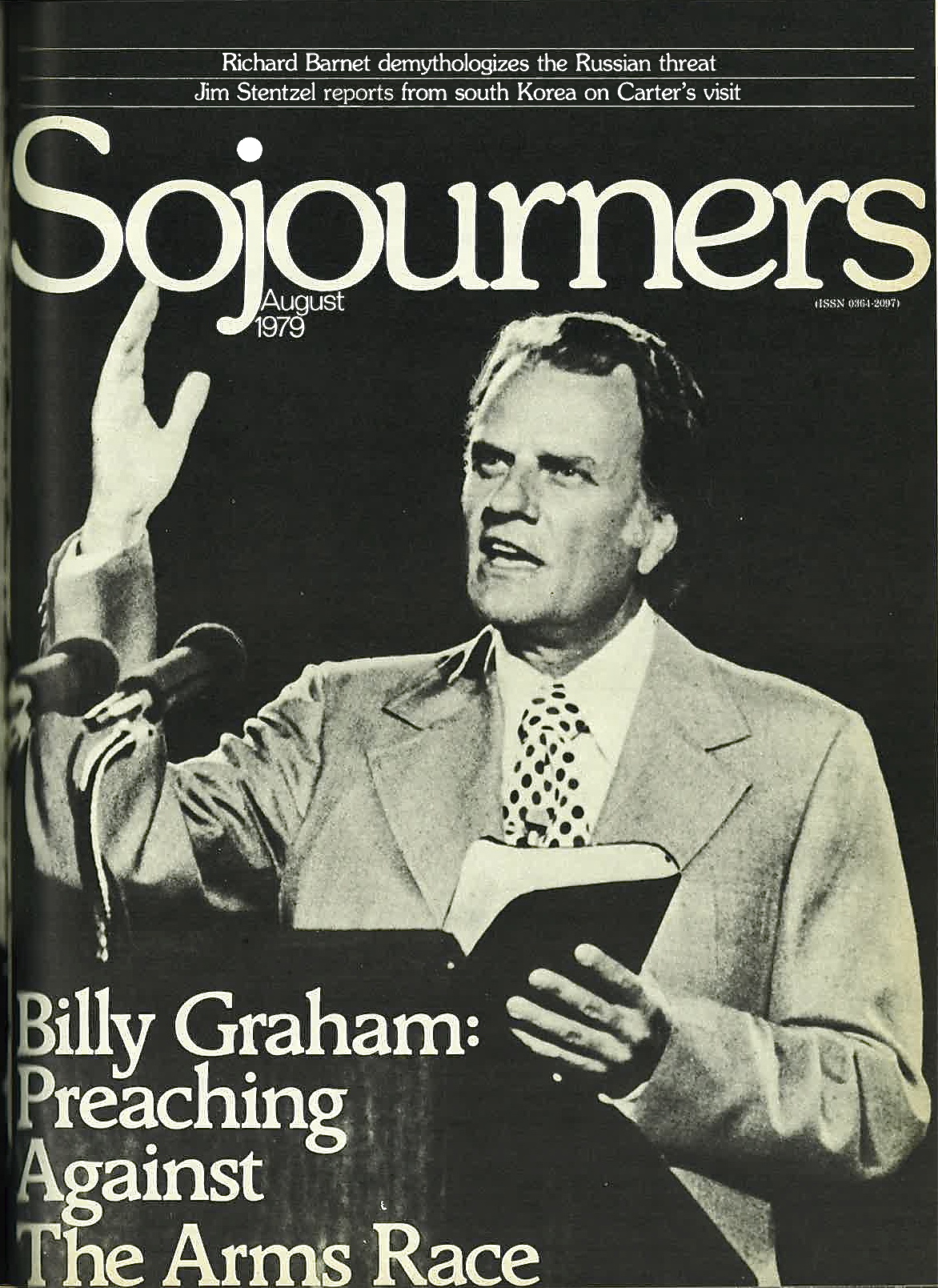
IF there has ever been a leader of the Christian Church in America it has been Billy Graham. He is the face of Christianity in the U.S. and we couldn't have better. Humble, honest, human, a man of faith who is trusted to lead and teach believers in the U.S. and around the world. He has made mistakes and confessed them. As leader of the BGEA (Billy Graham Evangelistic Association) he and the organization have never been rocked by the financial or sexual scandals suffered by so many others. Here is a great piece on Rev Graham by Jim Wallis of Sojourners......
Billy Graham is 93 years old today. And all over the world, people are discussing his influence and impact and remembering their own encounters with the world's leading evangelist.
I, too, am thinking Billy Graham -- more specifically, I'm recalling with great gratitude and fondness the first time I met him. Sojourners had just settled and started up in Washington D.C., and I was still in my early twenties. The annual National Prayer Breakfast was approaching and, as was the custom then, a pre-Prayer Breakfast meeting for top evangelical leaders was organized to enable a more informal time of fellowship and discussion. Again it was a breakfast, the day before the big event where the president traditionally speaks to members of Congress and the Senate, most of the cabinet, and about 2,000 invited special guests from around the world -- all about the contribution of faith and prayer to our public life.
I had never been invited to the famous prayer breakfast, and certainly had not to the very-established evangelical leaders' meeting just beforehand.
Imagine my surprise when I got a personal invitation to the "leaders' breakfast." Why are they inviting me, I wondered, quite suspiciously to tell you the truth.
At Sojourners we were speaking out strongly for social justice, challenging racism in both the society and the church, and especially in opposing the war in Vietnam -- not commitments the evangelical world was known for at the time.
Why would they include me in a meeting like this? What do they want from me? Do they want to argue with me, or perhaps hope to try to co-opt me?
I arrived a little late -- not used to getting to fancy hotels and finding parking -- and the room was already full. But when I gave my name, the hostess seemed to know right where to take me.
"Follow me," she said. As we began to wind our way through the very old-looking crowd of white men, I saw that she seemed to be taking me to a table in the far corner of the hotel banquet room.
Then I saw him. Billy Graham was sitting at that table!
I almost stopped in my tracks. Graham was a household name in my evangelical family as I was growing up, and we faithfully watched all his crusades on television. No person in the world was more respected by my parents, or by our little evangelical Plymouth Brethren Church.
I noticed there was an empty chair right next to him. And then Graham looked up, saw me coming, and motioned to the open spot and for me to sit down.
I was stunned and speechless. But I sat down in the chair that had apparently been waiting for me, to Graham's dazzling smile, the warmest greeting, and embracing handshake that has mesmerized people all over the world.
Graham looked at me with those penetrating eyes and said, "Jim, it is so good to meet you. I think that you will be a leader for the next generation of young Christians. And I am a leader for the older establishment of evangelicals. There are people who would divide us, and pull us apart; but we can't let them do that. I want them to know that I agree with you on more things than they would imagine, and I thought we should start talking together."
So we did, over one of the most memorable breakfasts of my life. I soon realized that he had something to do with my surprising invitation to breakfast with the evangelical establishment that day. More conversations followed over the years and, in one of them, he said to me, "My calling is to preach the gospel of personal salvation, and yours in to preach the social implications of that same gospel. So I think our ministries are complementary."
Looking back now, I can hardly believe how gracious that early invitation and conversation was. We were just a bunch of rag-tag young evangelicals proclaiming a gospel of justice and peace, and were both willing and sometimes eager to challenge the establishments of both church and state on that message.
As the preeminent evangelical leader of the day, Graham didn't have to engage us at all, let alone put his arm around the back of the chair next to him at breakfast and ask a young evangelical what he and his generation thought about a lot of things. All of which showed what kind of leader -- and man --he always has been. Not only gracious and warm, he has been a bridge builder, mentor, and an encourager.
Graham has always been a life-long learner, passionate about preaching the gospel but always ready to understand more about what that gospel means in the world. It was never surprising to me that this southern-born-and-raised American evangelist decided early on to insist on preaching only to racially integrated coliseums and crusades, when many others just went along with their culture.
7 OKT 11 will mark the 10th anniversary of the war in Afghanistan. Consider the cost in life beginning with these two Americans and climbing to 1648 Americans killed, 14239 Americans injured as of 29SEP11. Hundreds of allied troops have been killed, thousands wounded. Over 37200 Afghans have been killed, hundreds of thousands have been wounded. Our chances of winning this war are much less than when it started, mostly due to george bush's illegal and immoral invasion of and war in Iraq. Consider this call to end the war in Afghanistan from Sojourners, and think about the family of the last American who will be killed in Afghanistan when we finally leave, the pain and sorrow and loss and grief....and the anger that will come because nobody will be able to offer an honest answer of why.....
Ten Years. Thousands of Lives.
Billions of Dollars.
Next Friday, October 7, 2011, marks 10 years since the United States invaded Afghanistan in the name of the “War on Terror.” Sadly, this summer President Obama announced he’ll continue our military presence in the country until 2014, and Congress has agreed to follow his lead.
Where do we go from here?
We’ve put together a short video based on Isaiah 2:4, which reads:
"He will judge between the nations and will settle disputes for many peoples. They will beat their swords into plowshares and their spears into pruning hooks. Nation will not take up sword against nation, nor will they train for war anymore."
Sojourners and its members have spoken out against the war since the very beginning -- speeches, protests, press conferences, letters -- and we’ll continue to do so until it is ended. Approaching this unbelievable anniversary, we come together to mourn, pray, and recommit ourselves to bring this war to an end.
We hope the video is useful to you for reflecting on where we find ourselves at this point in history and as a tool to start conversations with your church, your friends, and even your family.
For peace,
Duane, Heather, Carrie, Elizabeth, James, and the team at Sojourners
CIA says officer first U.S. combat death
November 28, 2001
In the first acknowledged U.S. combat death in Afghanistan, the CIA on Wednesday said one of its officers was "killed in the line of duty."The statement from CIA Director George Tenet identifies the man as Johnny Michael "Mike" Spann, 32, who worked for the Directorate of Operations, the part of the agency responsible for covert operations.Tenet's statement said Spann was "where he wanted to be; on the front lines serving his country."The statement says Spann was at the fortress in Mazar-e Sharif where Taliban prisoners were being held and questioned. "Although these captives had given themselves up, their pledge to surrender -- like so many other pledges from the vicious group they represent -- proved worthless," it read.Tenet said Wednesday morning that Spann's body was recovered "just hours ago."Spann joined the CIA in June 1999. A former Marine, "Mike Spann was an American hero, a man who showed passion for his country and his agency through his selfless courage," Tenet said.Spann was the husband of Shannon Spann, and is survived by their infant son, two young daughters and two sisters. He is the son of Johnny and Gail Spann of Winfield, Alabama.
First American soldier killed in battle in Afghanistan
Last Updated: Saturday, January 5, 2002 | 9:22 AM ET
A U.S. soldier killed Friday in Afghanistan was the first American military death directly caused by enemy fire in the three-month-long conflict.
Sgt. First Class Nathan Ross Chapman, 31, a Green Beret, was on a mission in a remote area near the Pakistan border when he was killed.
"The mission he was on, part of a team, was to co-ordinate with local tribal elements in the vicinity of Gardez and Khowst in order to facilitate co-operation between our forces and the local tribal elements in that region," said Gen. Tommy Franks, the commander in charge of the military operation in Afghanistan.
Franks said no other U.S. soldiers were wounded in what he described as an exchange of small arms fire, however, there are reports a CIA officer was wounded during the same incident. Franks said it was still unclear whether enemy troops were killed or injured during the firefight.
While Franks said he was troubled by the death, he said that overall he was pleased so few U.S. troops have been killed or injured.
"I'm thankful every day we haven't lost more people than we have in this fight," he said.
Franks warned that the war in Afghanistan is far from over, saying there was much dangerous work still to be done.
Five other members of the U.S. military had previously been killed and several injured, but those casualties were blamed on accidents, or U.S. bombs that fell off target.
Mike Spann, a CIA operative also was killed during an uprising by Taliban prisoners in November.
Also on Friday, Afghanistan's Foreign Minister Abdullah Abdullah said Mullah Mohammad Omar is surrounded near the city of Baghran in central Afghanistan.
Omar is the former spiritual leader of the Taliban.
Some reports had said Omar was captured, but there is no confirmation of that.
The Pentagon says it cannot confirm Omar's whereabouts, but it would oppose any deal that would allow him to escape.
In Kandahar, Abdullah told reporters that the situation concerning Omar will be made clear sometime in the next two days.
As of September 29, 2011, there have been 2,670 coalition deaths in Afghanistan as part of ongoing coalition operations (Operation Enduring Freedom and ISAF) since the invasion in 2001.[1] In this total, the American figure is for deaths "In and Around Afghanistan" which, as defined by the U.S. Department of Defense, includes some deaths in Pakistan and Uzbekistan[2] and the deaths of 12 CIA operatives.[3]
In addition to these deaths in Afghanistan, another 29 U.S. and one Canadian soldier were killed in other countries while supporting operations in Afghanistan. The total also omits the 62 Spanish soldiers returning from Afghanistan who died in Turkey on May 26, 2003, when their plane crashed.
During the first five years of the war, the vast majority of coalition deaths were American, but between 2006 and 2010, a significant proportion were amongst other nations, particularly the United Kingdom and Canada which have been assigned responsibility for the flashpoint provinces of Helmand and Kandahar, respectively. This is because in 2006, ISAF expanded its jurisdiction to the southern regions of Afghanistan which were previously under the direct authority of the U.S. military. As Robert Gates pointed out on June 10, 2011, in his "last policy speech" as U.S. Secretary of Defense, "more than 850 troops from non-U.S. NATO members have made the ultimate sacrifice in Afghanistan. For many allied nations these were the first military casualties they have taken since the end of the Second World War."[4] Additionally, there have been 54 fatalities among troops from the non-NATO contributors to the coalition (Australia, Sweden, Finland, Georgia, South Korea, Jordan and New Zealand).
With 711 Operation Enduring Freedom and International Security Assistance Force (ISAF) deaths, 2010 was the deadliest year for foreign military troops since the U.S. invasion in 2001, continuing the trend that has occurred every year since 2003.[1]
In 2009, there were 7,228 improvised explosive device (IED) attacks in Afghanistan, a 120% increase over 2008, and a record for the war.[5][6] Of the 512 foreign soldiers killed in 2009, 448 were killed in action. 280 of those were killed by IEDs.[7] In 2010, IED attacks in Afghanistan wounded 3,366 U.S. soldiers, which is nearly 60% of the total IED-wounded since the start of the war.[8] Of the 711 foreign soldiers killed in 2010, 630 were killed in action. 368 of those were killed by IEDs, which is around 36% of the total IED-killed since the start of the war to date.[1] Insurgents planted 14,661 IEDs in 2010, a 62% increase over the previous year.[9]
Of the United States deaths, more than 1,415 have died in hostile action. Included in these numbers are 12 CIA operatives that were killed in Afghanistan: seven in a suicide bomb attack on a military base, two in an ambush, one in a shooting attack at the U.S. embassy in Kabul, one in a prison uprising in November 2001, and one in an accident.[3] The independent website iCasualties has put the number of U.S. deaths at 1,648.[10] This number is by four higher than the Department of Defense's tally which is 1,644, when including the intelligence operatives.[11]
As of September 29, 2011, 14,239 United States soldiers have been wounded in action in Afghanistan.[11]
As of September 19, 2011, the British forces have suffered 382 fatalities and 1,781 wounded in action, another 3,418 have suffered from disease or non-battle injuries. Of these, 338 soldiers were killed as a result of hostile action, while 44 are known to have died either as a result of illness, non-combat injuries or accidents, or have not yet officially been assigned a cause of death pending the outcome of an investigation.[14][15] The vast majority of fatalities have taken place since the redeployment of British forces to the Talibanstronghold of Helmand province in 2006, as only five men died between April 2002 and early March 2006.
Canada's role in Afghanistan, consisting of operations against the Taliban and other insurgents in southern Afghanistan (Kandahar Province), has resulted in the largest number of fatal casualties for any single Canadian military mission since the Korean War. A total of 156* members of the Canadian Forces have died in Afghanistan between February 2002 and June 24, 2011. Of these, 130 were due to enemy actions, including 97 due to IEDs or landmines, 22 due to RPG, small arms or mortar fire, and 12 due to suicide bomb attacks. Another six Canadian soldiers died due to friendly fire while conducting combat operations. An additional 27 Canadian soldiers have died in Afghanistan as a result of accidents or non-combat circumstances; 6 in vehicle accidents, 4 unspecified non-combat-related deaths, 3 suicide deaths, 2 in a helicopter crash, 2 from accidental falls, 2 from accidental gunshots and 1 death from an illness.[16][17] 615 soldiers have been wounded in action and 1,244 have received non-battle injuries since April 2002.[18] In addition to these troop deaths in Afghanistan, 1 Canadian soldier was found dead of non-combat-related causes at Camp Mirage, a forward logistics base in the United Arab Emirates near Dubai.
Danish
Denmark, a NATO member, has about 750 troops in Afghanistan, mostly stationed in Helmand province as part of NATO's International Security and Assistance Force (ISAF).
Denmark is the country in ISAF that has had the largest number of casualties compared to the country's population. Out of all the countries, Denmark is also the nation which has the largest percentage of its soldiers who have died. Also, Denmark is also among the nations with most troops deployed relative to size.[19]
Denmark's first three deaths were the result of an accident during the disposal of a Soviet-era anti-aircraft missile in 2002. With a new mandate issued by the Danish parliament in 2006, Danish military operations have transformed from relatively safe non-combat operations in the centre of the country to combat operations alongside the British contingent in the violent southern Helmand province. 34 soldiers have been killed in various hostile engagements or as a result of friendly fire, and 7 have been killed in non-combat related incidents, bringing the number of Danish fatalities to 41.[20][21] More than 100 soldiers have been wounded in action.[22]
Dutch
A total of 25 Dutch servicemen were killed in Afghanistan.[23] The first two Dutch fatalities were soldiers killed in an accidental helicopter crash in 2006. Since then, one pilot died in a non-hostile F-16 crash, and one soldier committed suicide at Kamp Holland. In 2007, one soldier was accidentally killed when a Patria armoured vehicle overturned at a river crossing near Tarin Kowt in Uruzgan. After that 19 soldiers were killed in action between 2007 and 2010. Finally, the last soldier to die was from an illness a month before the contingent withdrew from the country in December 2010. 140 soldiers were wounded in action.[24]
Estonian
Eight Estonian soldiers have died in Afghanistan: seven have been killed in action and one in an accident. 43 soldiers have been wounded in action.[25]
A total of 75 French soldiers have died thus far.[26] 57 soldiers have been killed in action, of the others: seven have died in vehicle accidents, one in a helicopter crash, two committed suicide, two have drowned, one was killed by a lightning strike, two died from a non-hostile gunshot wound, one died in an accidental explosion, one died in friendly fire, and one died of unknown causes.
The largest number of soldiers killed was when French troops were ambushed in the area of Sirobi, some 50 km (30 miles) east of Kabul, in August 2008. Ten French troops were killed and a further 21 wounded in the attack - the heaviest loss of troops France has suffered since deploying to Afghanistan in 2001.
Georgian
Georgia has thus far suffered 10 deaths and 38 injuries.[27][28] The first Georgian fatality occurred on September 5, 2010, when 28 years old colonel Mukhran Shukvani was killed in an IED attack. Corporal Alexandre Gitolendia was also seriously wounded in the attack, bringing Georgian casualties to 1 KIA and 1 WIA.[29] Four more Georgian soldiers were killed by a landmine during combat operations on October 1, 2010, in Helmland.[30] On February 21, 2011 Georgia lost another soldier, George Avaliani, while two others were wounded.[31] On March 14, 2011, one of the two injured died in a hospital in Germany and on May 27, 2011 another soldier died. On June 21 a ninth Georgian soldier died of injuries sustained during an attack.[32][33][34] On August 31, 2011, junior sergeant Rezo Beridze got killed by sniper fire during a patrol mission, bringing the total fatal casaulties of the Republic of Georgia to 10. [35]
A total of 53 German soldiers and 3 police officers were killed. 245 service personnel have been wounded in action.[36]
Hungarian
Seven Hungarians died in Afghanistan. Two EOD members were killed by IEDs. Two were killed in a convoy attack by the Taliban. Two died in a vehicle accident during a convoy-escort task. One died because of heart attack.
Italian
A total of 44 Italians have died in Afghanistan: 31 killed in action (one died a week after being wounded during a raid to rescue him after being captured), seven died in vehicle accidents, two of a heart attack, one due to an accidental weapon discharge, one of illness, one in an accidental airplane crash and one committed suicide.[37][38]
Two New Zealand soldiers have been killed in Bamyan Province. The first soldier to be killed was Lieutenant Timothy O'Donnell who was killed after his convoy was ambushed on a notorious stretch of road in the province. The second soldier to be killed was Private Kirifi Mila when the Humvee he was in rolled down a 30-metre cliff. A member of the New Zealand SAS was killed in Kabul on 18 August 2011.[40] Another memeber of the New Zealand SAS was killed on 27 September 2011 in Wardak province.
Norwegian
10 Norwegian soldiers have been killed in action in Afghanistan.[41]
Polish
27 Polish soldiers (including a military civilian medic) have been killed in action, one died in a vehicle accident and one died due to a non-combat cause. At least 100 soldiers have been wounded in action.[42]
Romanian
19 Romanian soldiers have been killed in action in Afghanistan.[43] More than 40 soldiers have been wounded in action.[44][45]
Swedish
Five Swedish soldiers have been killed in action since 2005. Three in two separate IED incidents and two in a ambush by a ANP uniform wearing insurgent. Several local translators working with the Swedish PRT have been killed.
Spanish
Of the Spanish deaths, 17 died in August 2005 when the Eurocopter Cougar helicopter they were travelling in crashed, 12 were killed in separate attacks by insurgents, two died from natural causes, and two died in vehicle accidents. Another 62 died in a Yak-42 plane crash in Turkey on their way back to Spain from Afghanistan.[46]
South Korean
A South Korean officer was shot by a fellow officer for not following an order to speak quietly on the telephone.[47] Another South Korean soldier, Sergeant Yoon Jang-ho, was killed in a suicide bomb attack at Bagram Air Base.[48]
Turkish
The Turkish Army suffered its first deaths on July 14, 2009, when two soldiers were killed in a road traffic accident in Faryab province, between Mazar-i Sharif and Kabul. One of the two killed was the commander of the Turkish contingent of ISAF troops in Afghanistan.[49]
Out-of-country deaths related to the war
Coalition deaths in other countries as the result of the warSpain: 62 USA: 30 Canada: 1 TOTAL: 93
In addition to the 1,717 American deaths in Afghanistan, Pakistan and Uzbekistan, another 30 U.S. soldiers died in: Kuwait, Bahrain, Saudi Arabia, United Arab Emirates, Qatar, Germany, Turkey, the Arabian sea, the Persian Gulf, the Red Sea and the Mediterranean, while supporting operations in Afghanistan. Among them are also a Marine, a civilian DoD employee and two military airmen who were killed in action while supporting Operation Enduring Freedom.[1][11][50][51][52]
A Canadian soldier was found dead of non-combat-related causes at a forward logistics base in the United Arab Emirates near Dubai.
62 Spanish soldiers died in a Yak-42 plane crash in Turkey on their way back to Spain from Afghanistan.[46]
^Robert Gates (June 10, 2011). "Reflections on the status and future of the transatlantic alliance". Security & Defence Agenda. Retrieved 2011-06-13. "Consider that when I became Secretary of Defense in 2006 there were about 20,000 non-U.S. troops from NATO nations in Afghanistan. Today, that figure is approximately 40,000. More than 850 troops from non-U.S. NATO members have made the ultimate sacrifice in Afghanistan. For many allied nations these were the first military casualties they have taken since the end of the Second World War."


 ON THE GOD'S POLITICS BLOG