|

BUCKNACKT'S SORDID TAWDRY BLOG We should not be a journey to the grave with the intention of arriving safely in an attractive & well preserved body, but rather to skid in sideways, chocolate, bier or wein in hand, body thoroughly used up, totally worn out and screaming "WHOO-HOO, WHAT A RIDE!!!!!!"
|

DESCRIBES in plain language the reasons for this legislation and the kind of people who support it as well as the people who's political and religious philosophies influenced this project 2025 screed, like fascist fotze ayn rand. The bbb really is The Big Blasphemous Bill. From Sojourners
This legislation is emblematic of the Make America Great Again movement. Sold as an investment in the next generation, it functions as an ideological seed bank: Children who are American enough, documented enough, and tax-advantaged enough will grow up with a savings vehicle tailored for the state’s economic goals. This isn’t policy, it’s formation. These children aren’t being prepared for civic engagement. They’re being trained to compete.
What’s missing here is a deeper vision of human dignity. Not one grounded in merit or productivity, but one grounded in the simple truth that every human being has value before they produce a single thing. That our worth does not begin with a Social Security number. That our belonging is not determined by how well we perform economically.
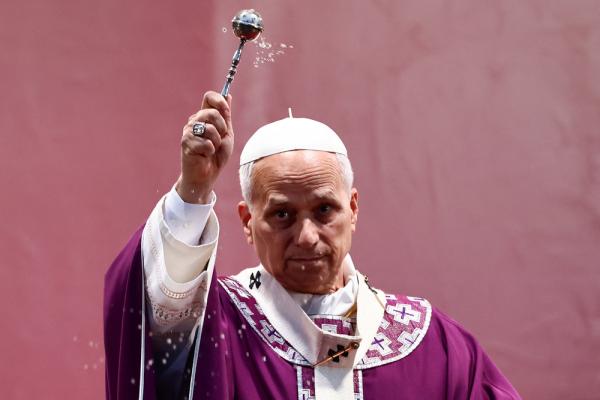
In Fratelli Tutti, the late Pope Francis warned against these evils, as such an economic perspective perpetuates injustices, social exclusion, and environmental degradation. In other words, if economic performance is the priority, then the common good is not taken into account. Francis’ encyclical calls on the economic sector to be subordinated to the service of people. There needs to be a moral limit on the market so that everyone can live with dignity and have what they need. Christ tells us that consumerism can enslave us and leave us unfulfilled (Luke 12:15). Christ also warns against turning the market into a god — some things shouldn’t be for sale (Matthew 6:24; 16:26).
When we equate wealth with moral goodness, we turn money into an idol and overlook the grace at the heart of the gospel. Tying someone’s dignity or belonging to their economic production denies the radical welcome Jesus offers to all, especially the vulnerable. A society that sits on a foundation of competition and control, rewarding only the compliant and self-reliant, forgets the call to mercy, justice, and community (Micah 6:8).
The market is not God. But this bill, with all its promise and polish, flirts with that blasphemy. It elevates market logic to moral logic. It treats tax brackets as indicators of virtue. It excludes the vulnerable in the name of order. It forgets that a just society does not begin by sorting the deserving from the undeserving, but by recognizing that all of us, in some way, fall short and are still worthy of care and consideration.
For citizens, there is an invitation here to consider not just what policies we support, but what they reveal about who we are becoming. Are we building a future where the dignity of each person is honored, regardless of their output? Or are we building a future where only the strong and the profitable thrive?
This isn’t about Left or Right. It’s about what we worship. And the warning is clear: When the economy becomes our god, we begin to sacrifice people on its altar.
We can choose another way. We can protect the vulnerable, honor the incarcerated, welcome the stranger, and trust that our shared life is richer when no one is left out. That kind of politics would be truly beautiful. It remains out of reach not because it has been tried and found difficult, but because it is difficult and so remains untried.

The Rt. Rev. C. Andrew Doyle serves as the Episcopal Bishop of Texas while also writing Unabashed Faith (2025), which examines Christian witness in our constantly connected society.
|