NORTON META TAG

Showing posts with label cultural genocide. Show all posts

15 June 2026

The Man Who Created a Written Language for the Cherokee Did It So Efficiently and Elegantly, His Peers Thought It Was Magic 12JUN26


 FASCINATING. I love that this article proves again the Native Americans / First Nations who lived throughout the continent and the Caribbean were and are not ignorant people. Sequoyah is proof of how wrong the White invaders were. The problem for the Europeans who invaded, conquered, committed physical and cultural genocide and stole the lands of the Native Americans / First Nations was and still is for some is they are not White. The neo-nazi fascist drumpf/trump-vance administration and the gop / guardians of  prejudice-republican party are boosting this ignorance, cutting funding of federal programs for Native Americans and in the bans of visitors and immigrants from Brown and Black countries while encouraging immigration of White pro-apartheid South Africans. This is all America, past and present, and this article is from Smithsonian Magazine...

The Man Who Created a Written Language for the Cherokee Did It So Efficiently and Elegantly, His Peers Thought It Was Magic


Illustration by Mer Young

At first, they laughed. Then they scoffed. Finally, they accused him of witchcraft. The Cherokee silversmith named Sequoyah had spent years scratching strange marks on paper. In 1821, his fellow tribespeople, disturbed by his obsession, put him on trial for practicing black magic. Sequoyah insisted his invention would allow Cherokee speakers to write out Iroquoian language for the first time. To test his claim, tribal elders ordered Sequoyah’s young daughter, Ayoka, to another room. Father and daughter separately made marks on paper and told their minders in each room what the marks said. Then the papers were exchanged. When each was able to read the other’s messages aloud, suspicion turned to wonder.

The astonished elders immediately asked him to teach them his revolutionary transcription method. Within six months, one in four Cherokee, or Tsalagi, could read and write. Within a quarter-century, Cherokee people had achieved a higher rate of literacy than the country’s non-Native population.

The unprecedented development came after years of work by a man whose name means “pig’s foot,” perhaps a reference to his pronounced limp. Born in 1770s Tennessee to a Cherokee mother and a white father, Sequoyah was raised in his mother’s culture and didn’t read or write English. During the War of 1812, he served alongside American soldiers, sometimes using the English name George Guess. The experience likely exposed him to written language, or what he called “talking leaves.” 

After the war, Sequoyah moved to Alabama and began experimenting with an ideogrammic approach to written Cherokee, in which each word was a symbol, but he abandoned that as cumbersome and too difficult to learn. Eventually, he hit on 86 syllables that expressed specific sounds, each syllable represented by symbols borrowed from Greek, Hebrew and English. Later reduced to 85 symbols, Sequoyah’s syllabary was not simply a creative triumph, but a new means of self-government and cultural memory: By 1827, the Cherokee had a written constitution, and everything from hunting guidance to sacred chants could be recorded for posterity. The Cherokee Phoenix, the first Native newspaper in the United States, rolled off the press in 1828 using his symbols. Others followed. 

The syllabary was widely lauded, as its phonetic accuracy and simplicity made it far easier to grasp than English. “The superiority of Guess’ alphabet is manifest, and has been fully proved by experience,” wrote Albert Gallatin, a U.S. Treasury secretary, diplomat and linguist, in 1836. “The boy learns in a few weeks that which occupies two years of the time of ours.” Yet sudden mass literacy didn’t curb the U.S. government’s growing appetite for Cherokee homelands in North Carolina, Georgia, Alabama and Tennessee. Soon after Gallatin made his comments, the government forced tens of thousands of Cherokee to migrate along the Trail of Tears to a territory now called Oklahoma.

Despite this tragedy, the Cherokee carried the syllabary to their new home and maybe even across the Atlantic. In Liberia, a Cherokee named Austin Curtis, who married into the Indigenous Vai community, is said to have used the syllabary to devise a script for the Vai, which went on to inspire written works throughout West Africa. Sequoyah himself moved to Mexico, where he died in 1843.

Today, with only a few thousand Cherokee fluent in their ancestors’ tongue, the syllabary is a key tool in safeguarding Tsalagi culture. Teenagers use it to text one another; children’s books use it to convey traditional tales; and official documents and road signs communicate in the mode Sequoyah invented—moving reminders of how a single individual’s brilliance and tenacity can change the world. 

Did you know? Where did Sequoyah go?

It's unclear why Sequoyah left for Mexico when he was 80 years old, in 1842, but according to an expert with the Cherokee National History Museum, he may have been in search of his fellow Cherokee who had settled there.

Even prior to their forced removal from the southeastern United States, many Cherokee resettled in the early 19th century in East Texas, which at the time was under Spanish rule. After Mexican independence and the later fight for Texan independence, these Cherokee lost contact with their countrymen. 
Over the years, many attempts have been made to find Sequoyah's gravesite, but none have been successful.

You Might Also Like

08 July 2023

ACLU THE DEBRIEF: We're Sharing Your Stories One Year After Dobbs. Read more. →, Federal Court Temporarily Blocks North Carolina Abortion Ban, How We Are Protecting the Right to Vote on the 10th Anniversary of Shelby v. Holder, A Victory for Indigenous Sovereignty, ACLU Win for Trans Youth Health Care in Tennessee, Supreme Court Rules in Favor of Free Speech in First Amendment and Immigration Case, ACLU Reaches Landmark Settlement in L.A. County Jails Case, ACLU Supreme Court Town Hall, Police Should Not Be Allowed to Compel Our Cell Phone Passwords, Protect Native Families 8JUL23


 THE ACLU continues to protect our rights, your rights, my rights, liberal and conservative and all ethnicities and rich and poor and working class rights because as long as we have our rights we will be a democratic Republic. Thank you ACLU! I have been a member and sustaining member for years, please join the ACLU and donate what you can.....


ACLU DEBRIEF

As the attacks on our rights continue in state legislatures across the country and in the Supreme Court, every member of the ACLU – including you – has a critical role to play in the fight to defend and expand constitutional rights for all.

Because of your generous support, ACLU teams are prepared to fight back against recent unjust decisions from the Supreme Court. We're continuing the fight to defend LGBTQ rights, promote racial justice in higher education, and challenge every attack on our fundamental freedoms.

This crucial civil liberties work would not be possible without the extraordinary support from leaders like you. Please read on to learn more about the progress we're making together – and how you can take action to advance these efforts in the weeks and months to come.

We're Sharing Your Stories One Year After Dobbs. Read more. 

We're Sharing Your Stories One Year After Dobbs
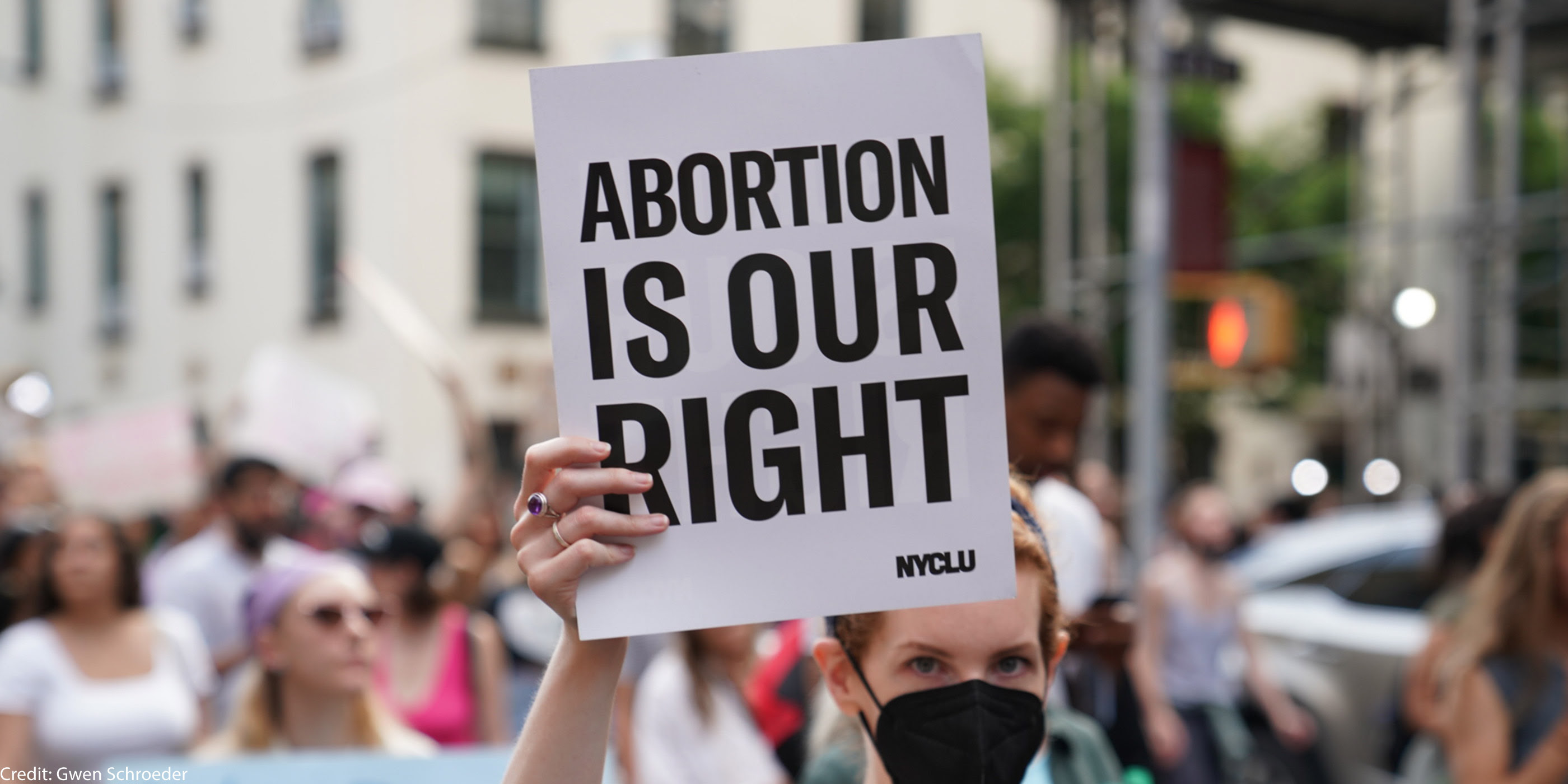
Federal Court Temporarily Blocks North Carolina Abortion Ban
 

North Carolina's governor recently signed a bill into law to ban abortion after 12 weeks, stripping away the right to reproductive choice for millions of people living in the state and nearby areas where abortion is already banned. In response, the ACLU filed a lawsuit against North Carolina on behalf of Planned Parenthood and health care providers, and a judge temporarily blocked the law from going into effect.

FROM THE FRONT LINES
 
Protecting the Right to Vote
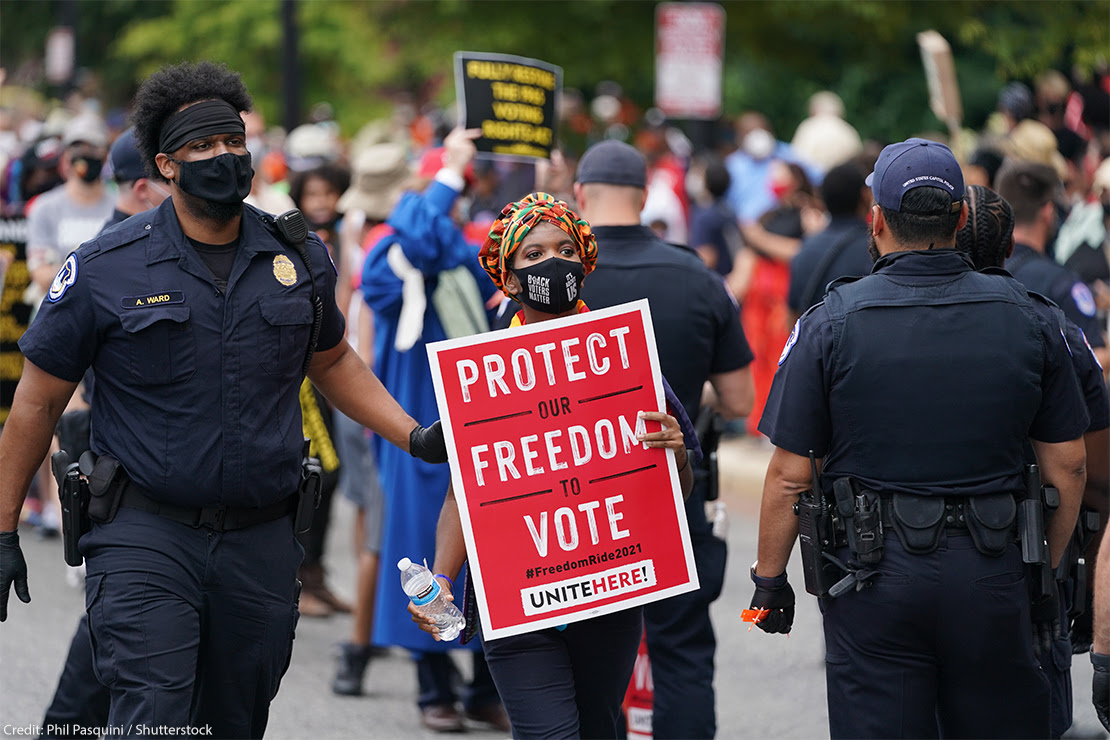
How We Are Protecting the Right to Vote on the 10th Anniversary of Shelby v. Holder
 

Ten years ago, the Supreme Court struck down key provisions of the Voting Rights Act of 1965 (VRA), which had successfully protected Black, brown, Indigenous, and other marginalized voters for decades. The ruling unleashed a torrent of voter suppression laws, which have recently intensified. With another election on the horizon, we just launched the Democracy Defender program to fight back.


Trans Youth Health Care in Tennessee
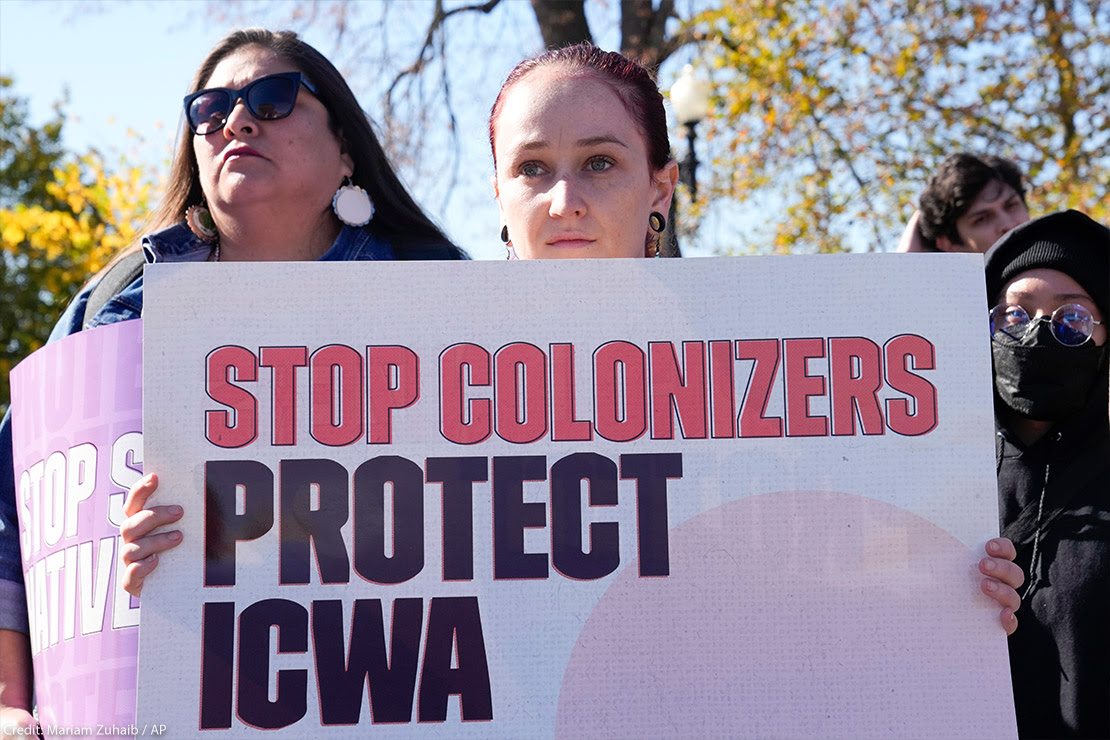
A Victory for Indigenous Sovereignty
 

The U.S. has a long, shameful history of using child welfare agencies to rip Native children from their families and place them in non-Native homes, in an effort to force these children to adopt white cultural norms. The Indian Child Welfare Act (ICWA) was passed to put an end to this extremely harmful practice, and the Supreme Court just rejected all constitutional challenges to the law in a landmark case. Now we must convince states to pass laws that build on federal protections.


ACLU Win for Trans Youth Health Care in Tennessee
 

The ACLU and the ACLU of Tennessee filed a lawsuit against a case that bans best practice medical care for trans youth. In a victory for trans youth, their families, and health care providers, a federal judge has blocked enforcement of the law while the case proceeds in court.


Supreme Court Rules in Favor of Free Speech in First Amendment and Immigration Case
 

In an ACLU case concerning free speech and immigrant rights, the Supreme Court ruled that the government cannot criminalize speech that merely encourages a noncitizen to enter or stay in the U.S. unlawfully. It can only do so where the defendant intentionally solicits or aids and abets specific unlawful acts.


ACLU Reaches Landmark Settlement in L.A. County Jails Case
 

The ACLU recently reached an extraordinary agreement with L.A. County Jails that will ultimately reduce the number of people coming to jail through a number of measures, including mental health support. This is a watershed moment: It's the first time a jurisdiction has agreed the cornerstone to addressing abysmal jail conditions and overcrowding is to reduce the number of people coming to jail in the first place.

TUNE IN
 
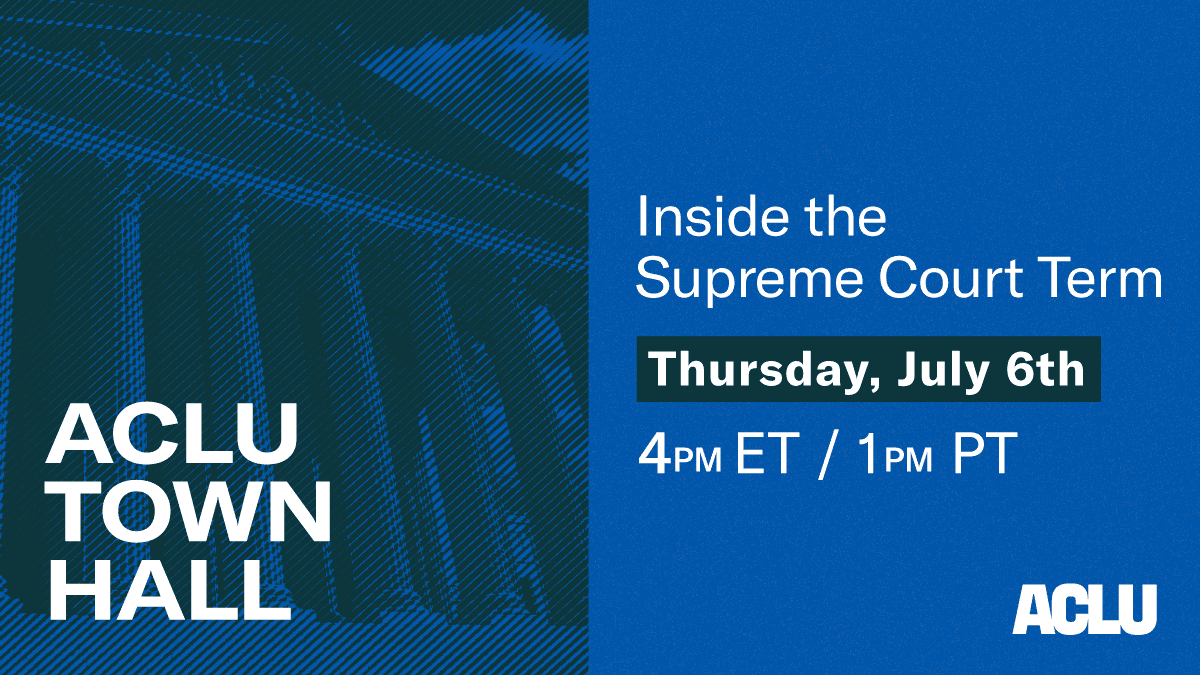
ACLU Supreme Court Town Hall
 

The Supreme Court ended its latest term with decisions that will have a profound impact on our civil liberties – from voting rights and Indigenous Justice to LGBT equality and equal opportunities in higher education. Last Thursday, we held a town hall to have ACLU experts break down what these decisions mean for civil liberties, how they impact our litigation and advocacy work, and what you can to do to help. You can watch the town hall here.

Please note: This link will take you to a third-party website, youtube.com.

WHAT'S NEXT
 
Cell Phone Passwords
Police Should Not Be Allowed to Compel Our Cell Phone Passwords

Our cell phones and other digital devices play a central role in our private lives, storing an unprecedented amount of our most personal information, but courts have issued mixed rulings on cell phone privacy in the digital age. Last month, in a loss for our privacy, the Illinois Supreme Court ruled that the Fifth Amendment does not prevent the state from asking a criminal defendant for access to their cell phone.

TAKE ACTION
 
Take Action
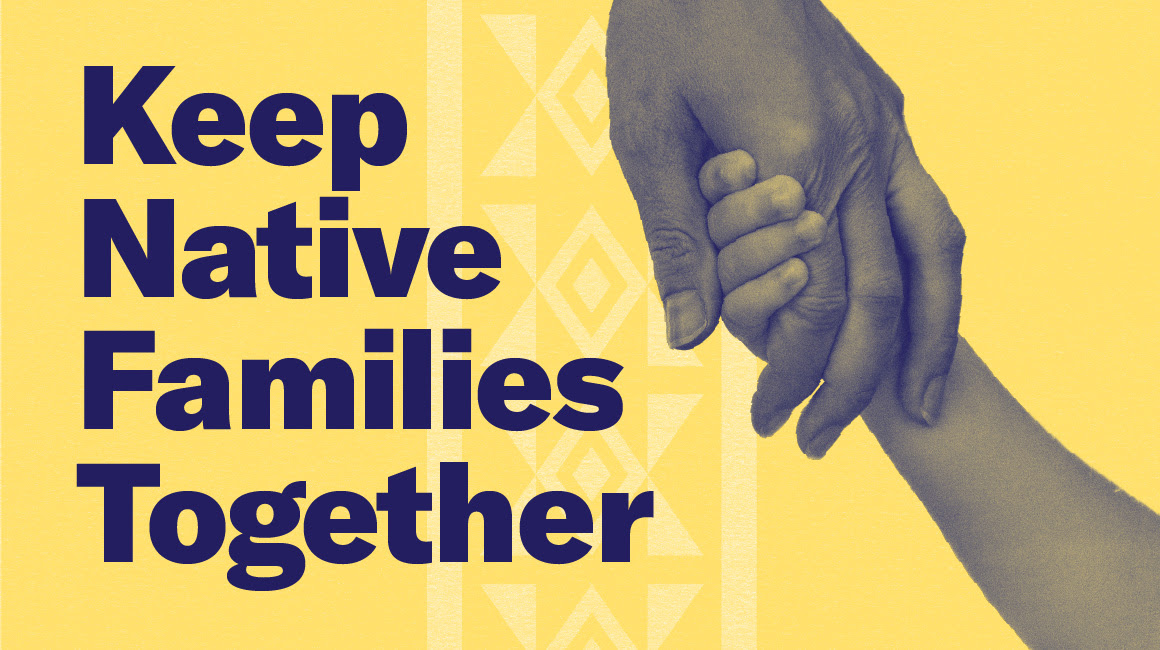
Protect Native Families

Throughout history, federal and state governments have sought to undermine and threaten the existence of tribes through the forced separation and assimilation of Native children. The Supreme Court just upheld a law that keeps Native families together – but now, we need states across the country to build on these federal protections.

DONATE NOW
Facebook     Twitter     Instagram

You are receiving this message because you signed up for emails from the American Civil Liberties Union.

We respect your right to privacy – view our policy.

This email was sent by:
American Civil Liberties Union
125 Broad Street, 18th Floor
New York, NY 10004, USA