
أغنى الدول في العالم العربي يفعلون أي شيء تقريبا للاجئين في سوريا ومرة العاهل السعودي الأمريكي مع اتفاق ايران واليمن المخاوف المتبادلة الكبرى 4 و 5SEP15
هذه هي الرسالة التي أرسلتها إلى + DIANE دايان ريم مشاهدة اشنطن ميوتشوال على 4 SEP15
الوفاة المأساوية لهذا الطفل هو صدمة للعالم، ولكن إلى متى؟ وطغت تركيا ولبنان والأردن من سحق اللاجئين أساسا من الحرب الأهلية السورية. لماذا لا المملكة العربية السعودية ودول الخليج الغنية بذل المزيد من الجهد، وتوفير المزيد من المال والإمدادات لمساعدة اللاجئين؟ وعلى المرء أن يتساءل لماذا اللاجئين هم ذاهبون إلى أوروبا؟ إذا كانت السعودية ودول الخليج الغنية وحتى إيران هي معاقل الإسلام كما يزعمون لن يكون هؤلاء الناس الذين لجأوا إلى هناك؟ يجب أن يكون هناك شيئا خطأ جذريا مع دولة الإسلام في هذه البلدان الغنية إذا هؤلاء اللاجئين يفضلون خطر الموت للوصول إلى أوروبا المسيحية في الغالب من الهجرة إلى هذه الدول الإسلامية الغنية. إن على المسلمين أن يسألوا أنفسهم ما يجب أن النبي التفكير في هذا الأمر.
أعتقد أنه كان غير ملائم لتحقيق هذا الأمر مع خادم الحرمين الشريفين الملك يزور البيت الأبيض في نفس اليوم. كان بريدي الإلكتروني الأول المذكور خلال جزء تقرير اخبارى الدولية من العرض، ولكن فقط في الجملة الأولى. ربما لتجنب الإساءة إلى العاهل السعودي؟ لحسن الحظ + واشنطن بوست لا يوجد لديه مثل هذه تتورع .....

المهاجرين تصمد رجل المهاجرين كعلامة على الاحتجاج ضد اغلاق محطة قطار Keleti في بودابست، المجر، 2 سبتمبر 2015. (EPA / زولتان BALOGH)
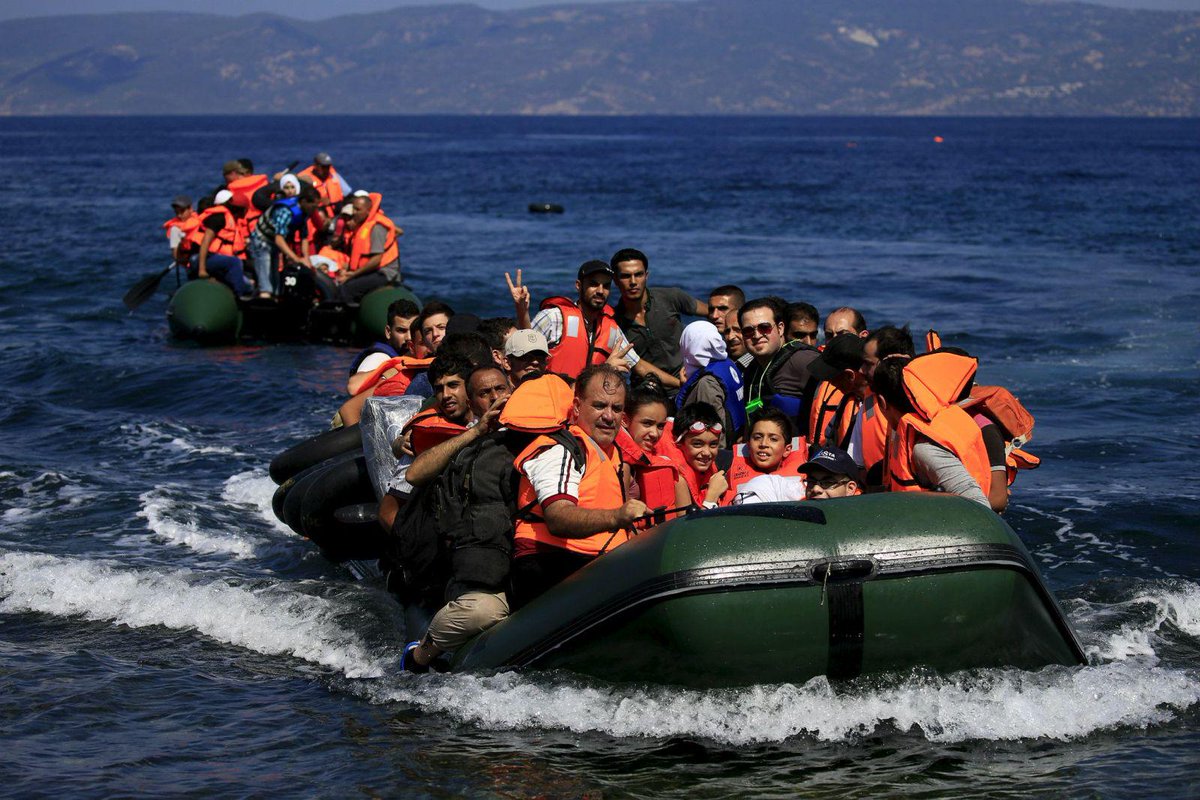
وقد الذهول العالم في الأسابيع الأخيرة بسبب أزمة اللاجئين تتكشف في أوروبا، تدفق المهاجرين غير مسبوق منذ الحرب العالمية الثانية. وسلط الضوء محنتهم تقشعر له الأبدان يوم الاربعاء في صورة لطفل سوري غرق، له جثة هامدة ملقاة وحده على الشاطئ التركي.
وانخفض قدرا كبيرا من الاهتمام على فشل العديد من الحكومات الغربية للتصدي بشكل كاف العبء على البلدان المجاورة لسورية، التي تكافح من أجل استضافة وطأة ما يقرب من 4 ملايين السوريين أجبروا على الخروج من البلاد بسبب الحرب الأهلية.
وقد انتقد بعض الدول الأوروبية لتقديم ملجأ إلا إلى عدد قليل من اللاجئين، أو التمييز بين المسلمين والمسيحيين. كان هناك أيضا قدرا كبيرا من القاري اليد ونفرك على ضعف عام للنظم Europs للهجرة واللجوء.
[أزمة اللاجئين في أوروبا هي مشكلة أميركا أيضا] أقل غضب، على الرغم من وجهت إلى مجموعة أخرى من أصحاب المصلحة الذين ينبغي يكاد يكون من المؤكد أن تفعل أكثر من ذلك: المملكة العربية السعودية والدول العربية الغنية على طول الخليج الفارسي ومنظمة العفو الدولية الآونة الأخيرة أشارت إلى أن "ستة دول الخليج - وعرضت الصفر إعادة التوطين - قطر والإمارات العربية المتحدة والمملكة العربية السعودية والكويت وعمان والبحرين أماكن للاجئين السوريين ". وقد ردد هذا الادعاء من قبل كينيث روث، المدير التنفيذي لمنظمة هيومن رايتس ووتش، على تويتر:
الطريق إلى أن المملكة العربية السعودية وغيرها من دول الخليج مساعدة اللاجئين السوريين:
أو رؤية هذه الخريطة بالتغريد التي كتبها لؤي آل Khatteeb، وهو زميل غير مقيم في معهد بروكينغز، والتي تبين أعداد استيعابها من قبل جيران سورية طغت بالمقارنة مع الدول الغنية بالنفط جنوبا:
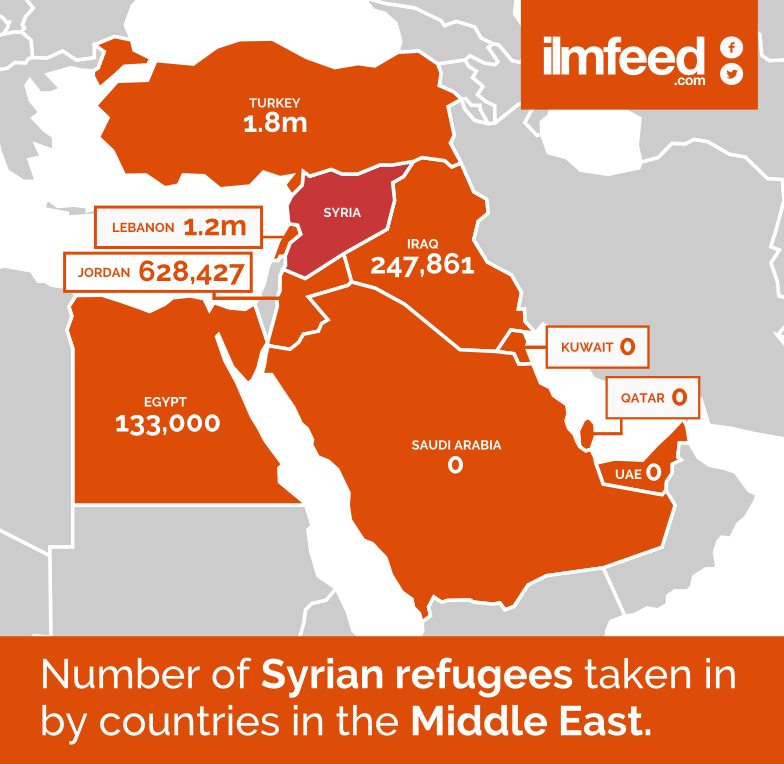
وهذا رقم مخيف، نظرا لقربها النسبي هذه البلدان على سوريا، فضلا عن الموارد لا يصدق تحت تصرفهم. كما سلطان سعود القاسمي، وهو معلق سياسي ومقرها دبي، ويلاحظ،
وتشمل هذه الدول بعض من أكبر الميزانيات في العالم العربي العسكرية، التزامها الراسخ بأعلى معايير المعيشة، فضلا عن تاريخ طويل - وخاصة في حالة العربية المتحدة الإمارات - الترحيب المهاجرين من دول عربية أخرى وتحويلهم إلى مواطنين وعلاوة على ذلك، فإن هذه البلدان ليست بريئة تماما من المارة. بدرجات متفاوتة، وقد استثمرت العناصر داخل المملكة العربية السعودية وقطر والإمارات العربية المتحدة والكويت في الصراع السوري، لعب دور بارز في تمويل وتسليح كوكبة من المتمردين والفصائل الاسلامية التي تقاتل نظام الرئيس السوري بشار الأسد.
لا أحد هذه البلدان الموقعة على اتفاقية الأمم المتحدة لعام 1951، الذي يحدد ما هو اللاجئ ويحدد حقوقهم، فضلا عن التزامات الدول لحماية لهم. لالسورية لدخول هذه البلدان، سيكون لديهم لتقديم طلب للحصول على تأشيرة، والتي، في الظروف الحالية، ونادرا ما تمنح. ووفقا لهيئة الإذاعة البريطانية بالكاد مقصدا أو العملية - الدول العربية الوحيدة التي يمكن السفر سوري من دون تأشيرة والجزائر وموريتانيا والسودان
واليمن.، وقال متحدث باسم المفوضية، وكالة الأمم المتحدة للاجئين وقال بلومبرغ أن هناك ما يقرب من 500،000 السوريين الذين يعيشون في المملكة العربية السعودية، على الرغم من أنها لم تصنف كلاجئين وليس واضحا عندما وصلت غالبيتهم في البلاد.
مثل الدول الأوروبية والمملكة العربية السعودية وجيرانها أيضا المخاوف من الوافدين الجدد يأخذون الوظائف من المواطنين، وربما أيضا استدعاء مخاوف بشأن الأمن والإرهاب. لكن إنفاق المساعدات الخليج الحالي للاجئين السوريين، والتي تبلغ التبرعات الجماعية تحت 1000000000 $ (منحت الولايات المتحدة أربع مرات هذا المبلغ)، ويبدو قصيرة - ويتم كل أكثر مثير للحنق عند النظر في مبالغ طائلة المملكة العربية السعودية و سكب دولة الإمارات العربية المتحدة في جهود الحرب هذا العام في اليمن، وتدخل بعض النظر خطأ استراتيجيا فادحا.
كما بوبي غوش، مدير تحرير الموقع الإخباري الكوارتز، يشير إلى أن دول الخليج من الناحية النظرية لديها قدرة أكبر بكثير للتعامل مع أعداد كبيرة من القادمين من جيران سوريا أكثر إلحاحا والأكثر فقرا، لبنان والأردن:
"يجب على الخليج يدركون أن الوقت قد حان لتغيير سياستهم تجاه قبول اللاجئين من أزمة سوريا"، يكتب في عمود القاسمي . "وهذه هي الخطوة المعنوية والأخلاقية والمسؤولة لاتخاذ".
 اقرأ المزيد:
خوف أوروبا من اللاجئين المسلمين يردد 1930s معاداة السامية
زعيم الهنغاري استدعاء الغزو العثماني لتبرير إحباط اللاجئين
عندما أراد الغرب الإسلام للحد من التطرف المسيحي
الأسود في المسار: رحلة عائلة واحدة من حلب الى النمسا
المهربون الذي قاد المهاجرين إلى وفاتهم كانت جزءا لواسعة على شبكة الإنترنت
اقرأ التغطية واشنطن بوست حول الارتفاع العالمي في الهجرة 
لم يكن الرئيس أوباما السهل على العائلة المالكة السعودية. انه
تغضب العائلة المالكة السعودية بالقول إن "أكبر التهديدات" لحلفاء أميركا
العرب قد لا ينبع من خصمها ايران ولكن من الشبان الخاصة بهم الغضب تحت
الحكم تقييدا.
استغرق الرئيس ان نقد خطوة أخرى إلى الأمام في يوليو عندما أسر انه "يبكي للأطفال "في الشرق الأوسط. "ليس فقط هم الذين يشردون في سوريا"، وقال اوباما لصحيفة نيويورك تايمز، "ولكن فقط الشباب الإيراني العادي أو الشباب السعودي والشباب الكويتي" الذين ليس لديهم نفس التوقعات بالنسبة للأطفال في أوروبا وآسيا.
وعندما ، كان التركيز على وقف العنف الذي اجتاح منطقة الشرق الأوسط في السنوات الأخيرة التقى اوباما الجمعة مع الملك سلمان بن عبد العزيز آل سعود. واضاف "اننا نشاطر قلق بشأن اليمن، والحاجة إلى استعادة حكومة فاعلة تتسم بالشمولية هناك" وقال أوباما في تصريحات مقتضبة من المكتب البيضاوي. "العمل لزعزعة الاستقرار"، وقال أوباما تحدث الملك والرئيس عن "الصراع المروع" في سوريا، والمعركة ضد الدولة الإسلامية وكيفية مواجهة إيران.
والتركيز، على الأقل في تصريحات علنية للرئيس، كان على المصالح المشتركة. وقال "أشك في أن الرئيس سيكون ذلك صريحا في المكتب البيضاوي" في انتقاده للسعوديين بريم كومار، وهو من كبار مستشاري البيت الأبيض السابق في الشرق الأوسط، والآن نائب الرئيس في ستونبريدج مجموعة أولبرايت، استراتيجية عالمية شركة. وأضاف "وتريد أن تعرف أين تتجه المملكة العربية السعودية."
يتحدث من المكتب البيضاوي، قام أوباما لم يذكر قلقه إزاء الثقافة السياسية القمعية داخل المملكة العربية السعودية أو احتمال حدوث قلاقل بين شبابها. سلمان، الذي كان قبل أربعة أشهر ورفض دعوة الرئيس لزيارة كامب ديفيد، بدا بالمثل حريصة على تجنب الخلافات بين البلدين حول المفاوضات النووية مع إيران.
وفي الأشهر الأخيرة، فإن إدارة أوباما قد أوفد وزير الدفاع أشتون B. كارتر ووزيرة الخارجية جون كيري إلى الرياض لتهدئة المخاوف بشأن الاتفاق النووي. ساعدت وفودا رفيعة المستوى إقناع السعوديين لدعم اتفاق نهائي مع إيران، حتى أنها واصلت للتعبير عن الخوف من أن رفع العقوبات سيوفر طهران مع مكاسب مالية غير متوقعة التي يمكن استخدامها لتعزيز قوات الجيش والوكيل التقليدية ل .
"، وقد اقتنعت المملكة العربية السعودية مع هذه التأكيدات بعد أن قضى شهرين
مشاركة التشاور مع حلفائنا" وقال وزير الخارجية السعودي عادل الجبير. وقال ان الاتفاق ينبغي أن يسمح العالم للتركيز "مع زيادة كثافة" في "انشطة شائنة" إيران في الشرق الأوسط.
واحدة من أهم أهداف الإدارة، وفي الوقت نفسه، إلى إقناع حلفائها العرب في الخليج الفارسي للعب أكثر دور فعال في استعادة النظام في المنطقة. ومن المتوقع أن صافي ايران عن 56 مليار $ على المدى القريب تخفيف من العقوبات التي هي جزء من اتفاق نووي إيران. واقترح الرئيس أن الإيرانيين سوف تضطر إلى استخدام الكثير من ذلك لإصلاح البنية التحتية المتهالكة وانعاش الاقتصاد الذي تضرر بسبب العقوبات.
وحتى لو مضخات إيران كمية كبيرة من هذه الأموال في جيشها، فإنه لا يزال تنفق أقل بكثير من الأمم المتحدة وقال حلفاء الدول العربي بن رودس، نائب مستشار الأمن القومي.
واضاف ان "ميزانية الدفاع من شركائنا في الخليج أكثر من ثماني مرات من إيران"، وقال رودس في مؤتمر صحفي للصحفيين. "ليس هناك كمية من الإغاثة العقوبات التي يمكن أن تبدأ حتى لإغلاق هذه الفجوة".
وقال مسؤولون في الادارة انهم لا يتوقعون أي إعلانات الكبرى في الولايات المتحدة بشأن مبيعات الاسلحة الى المملكة العربية السعودية. بدلا من ذلك، فإنها تود أن ترى السعوديين الاستثمار في الأسلحة غير مكلفة نسبيا والتدريب التي يمكن مواجهة التهديدات غير التقليدية التي تشكلها إيران ووكلائها، مثل حركة المقاومة الشيعية المتمركزة في لبنان وحزب الله. وكان البيت الأبيض تشجيع السعوديين لزيادة التركيز على بناء قوات الخاصة، وتبادل المعلومات الاستخباراتية والتعاون مع حلفائها في الخليج في مجالات مثل الأمن السيبراني والدفاع الصاروخي، بدلا من شراء مكلفة طائرات مقاتلة أو طائرات هليكوبتر هجومية، وقال رودس.
وعلى مدى شهور، وقد تم استهلاك المحادثات بين الولايات المتحدة ومسؤولين سعوديين بموجب اتفاق ايران النووي. الآن التركيز يتحول إلى "ما هي الخطوة التالية في المنطقة بعد اتفاق إيران"، وقال مات سبنس، نائب سابق لمساعد وزير الدفاع لشؤون الشرق الأوسط في إدارة أوباما. وسوف تركز جزء كبير من تلك المحادثة على اليمن، حيث السعوديين يقودون ائتلاف حلفائها في الخليج تقاتل المتمردين الحوثيين الذين تدعمهم ايران.
إدارة أوباما صفق السعوديين لأخذ زمام المبادرة في محاربة المتمردين، ولكن في نفس الوقت وقد خفت على مدى الدمار الذي الحملة التي تقودها السعودية يسبب.
وقد حذرت الولايات المتحدة السعوديين، جنبا إلى جنب مع المقاتلين الآخرين، حول الأزمة الإنسانية المتفاقمة في اليمن. "ما كنا نقوم به هو حث جميع الأطراف المعنية. . . "، وقال جيفري بريسكوت، مدير أول في الشرق الأوسط في البيت الأبيض على اتخاذ خطوات لإتاحة الفرصة لإيصال المساعدات الإنسانية دون عوائق إلى جميع أنحاء اليمن.
الوفاة المأساوية لهذا الطفل هو صدمة للعالم، ولكن إلى متى؟ وطغت تركيا ولبنان والأردن من سحق اللاجئين أساسا من الحرب الأهلية السورية. لماذا لا المملكة العربية السعودية ودول الخليج الغنية بذل المزيد من الجهد، وتوفير المزيد من المال والإمدادات لمساعدة اللاجئين؟ وعلى المرء أن يتساءل لماذا اللاجئين هم ذاهبون إلى أوروبا؟ إذا كانت السعودية ودول الخليج الغنية وحتى إيران هي معاقل الإسلام كما يزعمون لن يكون هؤلاء الناس الذين لجأوا إلى هناك؟ يجب أن يكون هناك شيئا خطأ جذريا مع دولة الإسلام في هذه البلدان الغنية إذا هؤلاء اللاجئين يفضلون خطر الموت للوصول إلى أوروبا المسيحية في الغالب من الهجرة إلى هذه الدول الإسلامية الغنية. إن على المسلمين أن يسألوا أنفسهم ما يجب أن النبي التفكير في هذا الأمر.
أعتقد أنه كان غير ملائم لتحقيق هذا الأمر مع خادم الحرمين الشريفين الملك يزور البيت الأبيض في نفس اليوم. كان بريدي الإلكتروني الأول المذكور خلال جزء تقرير اخبارى الدولية من العرض، ولكن فقط في الجملة الأولى. ربما لتجنب الإساءة إلى العاهل السعودي؟ لحسن الحظ + واشنطن بوست لا يوجد لديه مثل هذه تتورع .....
أغنى الدول في العالم العربي يفعلون أي شيء تقريبا للاجئين في سوريا
المهاجرين تصمد رجل المهاجرين كعلامة على الاحتجاج ضد اغلاق محطة قطار Keleti في بودابست، المجر، 2 سبتمبر 2015. (EPA / زولتان BALOGH)
وانخفض قدرا كبيرا من الاهتمام على فشل العديد من الحكومات الغربية للتصدي بشكل كاف العبء على البلدان المجاورة لسورية، التي تكافح من أجل استضافة وطأة ما يقرب من 4 ملايين السوريين أجبروا على الخروج من البلاد بسبب الحرب الأهلية.
وقد انتقد بعض الدول الأوروبية لتقديم ملجأ إلا إلى عدد قليل من اللاجئين، أو التمييز بين المسلمين والمسيحيين. كان هناك أيضا قدرا كبيرا من القاري اليد ونفرك على ضعف عام للنظم Europs للهجرة واللجوء.
[أزمة اللاجئين في أوروبا هي مشكلة أميركا أيضا] أقل غضب، على الرغم من وجهت إلى مجموعة أخرى من أصحاب المصلحة الذين ينبغي يكاد يكون من المؤكد أن تفعل أكثر من ذلك: المملكة العربية السعودية والدول العربية الغنية على طول الخليج الفارسي ومنظمة العفو الدولية الآونة الأخيرة أشارت إلى أن "ستة دول الخليج - وعرضت الصفر إعادة التوطين - قطر والإمارات العربية المتحدة والمملكة العربية السعودية والكويت وعمان والبحرين أماكن للاجئين السوريين ". وقد ردد هذا الادعاء من قبل كينيث روث، المدير التنفيذي لمنظمة هيومن رايتس ووتش، على تويتر:

تخمين كم من هؤلاء اللاجئين السوريين المملكة العربية السعودية ودول الخليج الأخرى عرضت لاتخاذ؟ 0
HTTP: // bit.ly/1KrN5Rw
 كينيث روث
أو رؤية هذه الخريطة بالتغريد التي كتبها لؤي آل Khatteeb، وهو زميل غير مقيم في معهد بروكينغز، والتي تبين أعداد استيعابها من قبل جيران سورية طغت بالمقارنة مع الدول الغنية بالنفط جنوبا:
 لؤي لؤي الخطيب
وهذا رقم مخيف، نظرا لقربها النسبي هذه البلدان على سوريا، فضلا عن الموارد لا يصدق تحت تصرفهم. كما سلطان سعود القاسمي، وهو معلق سياسي ومقرها دبي، ويلاحظ،
وتشمل هذه الدول بعض من أكبر الميزانيات في العالم العربي العسكرية، التزامها الراسخ بأعلى معايير المعيشة، فضلا عن تاريخ طويل - وخاصة في حالة العربية المتحدة الإمارات - الترحيب المهاجرين من دول عربية أخرى وتحويلهم إلى مواطنين وعلاوة على ذلك، فإن هذه البلدان ليست بريئة تماما من المارة. بدرجات متفاوتة، وقد استثمرت العناصر داخل المملكة العربية السعودية وقطر والإمارات العربية المتحدة والكويت في الصراع السوري، لعب دور بارز في تمويل وتسليح كوكبة من المتمردين والفصائل الاسلامية التي تقاتل نظام الرئيس السوري بشار الأسد.
لا أحد هذه البلدان الموقعة على اتفاقية الأمم المتحدة لعام 1951، الذي يحدد ما هو اللاجئ ويحدد حقوقهم، فضلا عن التزامات الدول لحماية لهم. لالسورية لدخول هذه البلدان، سيكون لديهم لتقديم طلب للحصول على تأشيرة، والتي، في الظروف الحالية، ونادرا ما تمنح. ووفقا لهيئة الإذاعة البريطانية بالكاد مقصدا أو العملية - الدول العربية الوحيدة التي يمكن السفر سوري من دون تأشيرة والجزائر وموريتانيا والسودان
واليمن.، وقال متحدث باسم المفوضية، وكالة الأمم المتحدة للاجئين وقال بلومبرغ أن هناك ما يقرب من 500،000 السوريين الذين يعيشون في المملكة العربية السعودية، على الرغم من أنها لم تصنف كلاجئين وليس واضحا عندما وصلت غالبيتهم في البلاد.
مثل الدول الأوروبية والمملكة العربية السعودية وجيرانها أيضا المخاوف من الوافدين الجدد يأخذون الوظائف من المواطنين، وربما أيضا استدعاء مخاوف بشأن الأمن والإرهاب. لكن إنفاق المساعدات الخليج الحالي للاجئين السوريين، والتي تبلغ التبرعات الجماعية تحت 1000000000 $ (منحت الولايات المتحدة أربع مرات هذا المبلغ)، ويبدو قصيرة - ويتم كل أكثر مثير للحنق عند النظر في مبالغ طائلة المملكة العربية السعودية و سكب دولة الإمارات العربية المتحدة في جهود الحرب هذا العام في اليمن، وتدخل بعض النظر خطأ استراتيجيا فادحا.
كما بوبي غوش، مدير تحرير الموقع الإخباري الكوارتز، يشير إلى أن دول الخليج من الناحية النظرية لديها قدرة أكبر بكثير للتعامل مع أعداد كبيرة من القادمين من جيران سوريا أكثر إلحاحا والأكثر فقرا، لبنان والأردن:
المنطقة لديها القدرة على بناء بسرعة السكن للاجئين. شركات البناء العملاقة التي بنيت بجوار ابراج فخمة من دبي وأبوظبي، والرياض ينبغي التعاقد لإنشاء ملاجئ للتدفق. المملكة العربية السعودية لديها الكثير من الخبرة في إدارة أعداد كبيرة من الوافدين: يتلقى طفرة السنوية الملايين من حجاج بيت الله الحرام في مكة المكرمة. ليس هناك سبب لا يمكن وضع كل هذه المعرفة إلى استخدام الإنساني.لا لسبب سوى إما اللامبالاة أو انعدام تام للإرادة السياسية. في وسائل الإعلام الاجتماعي الكثير يدعون للعمل. تم بالتغريد العربية هاشتاج # Welcoming_Syria's_refugees_is_a_Gulf_duty أكثر من 33،000 مرات في الأسبوع الماضي، وفقا للبي بي سي.
"يجب على الخليج يدركون أن الوقت قد حان لتغيير سياستهم تجاه قبول اللاجئين من أزمة سوريا"، يكتب في عمود القاسمي . "وهذه هي الخطوة المعنوية والأخلاقية والمسؤولة لاتخاذ".
خوف أوروبا من اللاجئين المسلمين يردد 1930s معاداة السامية
زعيم الهنغاري استدعاء الغزو العثماني لتبرير إحباط اللاجئين
عندما أراد الغرب الإسلام للحد من التطرف المسيحي
الأسود في المسار: رحلة عائلة واحدة من حلب الى النمسا
المهربون الذي قاد المهاجرين إلى وفاتهم كانت جزءا لواسعة على شبكة الإنترنت
اقرأ التغطية واشنطن بوست حول الارتفاع العالمي في الهجرة
Ishaan ثارور يكتب عن الشؤون الخارجية لصحيفة واشنطن بوست. كان في السابق أحد كبار المحررين في الوقت، ومقرها لأول مرة في هونج كونج في وقت لاحق في نيويورك.
العاهل السعودي يزور الولايات المتحدة مع اتفاق ايران واليمن المخاوف المتبادلة الرئيسية
ورحب الرئيس أوباما الملك سلمان بن
عبد العزيز آل سعود الى البيت الابيض يوم 4 سبتمبر 2015، الخطوط العريضة
لمجموعة واسعة من المناقشات سيكون لديهم حول الشرق الأوسط، بما في ذلك
اتفاق نووي إيران والحرب الأهلية في اليمن. (AP)
استغرق الرئيس ان نقد خطوة أخرى إلى الأمام في يوليو عندما أسر انه "يبكي للأطفال "في الشرق الأوسط. "ليس فقط هم الذين يشردون في سوريا"، وقال اوباما لصحيفة نيويورك تايمز، "ولكن فقط الشباب الإيراني العادي أو الشباب السعودي والشباب الكويتي" الذين ليس لديهم نفس التوقعات بالنسبة للأطفال في أوروبا وآسيا.
وعندما ، كان التركيز على وقف العنف الذي اجتاح منطقة الشرق الأوسط في السنوات الأخيرة التقى اوباما الجمعة مع الملك سلمان بن عبد العزيز آل سعود. واضاف "اننا نشاطر قلق بشأن اليمن، والحاجة إلى استعادة حكومة فاعلة تتسم بالشمولية هناك" وقال أوباما في تصريحات مقتضبة من المكتب البيضاوي. "العمل لزعزعة الاستقرار"، وقال أوباما تحدث الملك والرئيس عن "الصراع المروع" في سوريا، والمعركة ضد الدولة الإسلامية وكيفية مواجهة إيران.
والتركيز، على الأقل في تصريحات علنية للرئيس، كان على المصالح المشتركة. وقال "أشك في أن الرئيس سيكون ذلك صريحا في المكتب البيضاوي" في انتقاده للسعوديين بريم كومار، وهو من كبار مستشاري البيت الأبيض السابق في الشرق الأوسط، والآن نائب الرئيس في ستونبريدج مجموعة أولبرايت، استراتيجية عالمية شركة. وأضاف "وتريد أن تعرف أين تتجه المملكة العربية السعودية."
يتحدث من المكتب البيضاوي، قام أوباما لم يذكر قلقه إزاء الثقافة السياسية القمعية داخل المملكة العربية السعودية أو احتمال حدوث قلاقل بين شبابها. سلمان، الذي كان قبل أربعة أشهر ورفض دعوة الرئيس لزيارة كامب ديفيد، بدا بالمثل حريصة على تجنب الخلافات بين البلدين حول المفاوضات النووية مع إيران.
وفي الأشهر الأخيرة، فإن إدارة أوباما قد أوفد وزير الدفاع أشتون B. كارتر ووزيرة الخارجية جون كيري إلى الرياض لتهدئة المخاوف بشأن الاتفاق النووي. ساعدت وفودا رفيعة المستوى إقناع السعوديين لدعم اتفاق نهائي مع إيران، حتى أنها واصلت للتعبير عن الخوف من أن رفع العقوبات سيوفر طهران مع مكاسب مالية غير متوقعة التي يمكن استخدامها لتعزيز قوات الجيش والوكيل التقليدية ل .
واحدة من أهم أهداف الإدارة، وفي الوقت نفسه، إلى إقناع حلفائها العرب في الخليج الفارسي للعب أكثر دور فعال في استعادة النظام في المنطقة. ومن المتوقع أن صافي ايران عن 56 مليار $ على المدى القريب تخفيف من العقوبات التي هي جزء من اتفاق نووي إيران. واقترح الرئيس أن الإيرانيين سوف تضطر إلى استخدام الكثير من ذلك لإصلاح البنية التحتية المتهالكة وانعاش الاقتصاد الذي تضرر بسبب العقوبات.
وحتى لو مضخات إيران كمية كبيرة من هذه الأموال في جيشها، فإنه لا يزال تنفق أقل بكثير من الأمم المتحدة وقال حلفاء الدول العربي بن رودس، نائب مستشار الأمن القومي.
واضاف ان "ميزانية الدفاع من شركائنا في الخليج أكثر من ثماني مرات من إيران"، وقال رودس في مؤتمر صحفي للصحفيين. "ليس هناك كمية من الإغاثة العقوبات التي يمكن أن تبدأ حتى لإغلاق هذه الفجوة".
وقال مسؤولون في الادارة انهم لا يتوقعون أي إعلانات الكبرى في الولايات المتحدة بشأن مبيعات الاسلحة الى المملكة العربية السعودية. بدلا من ذلك، فإنها تود أن ترى السعوديين الاستثمار في الأسلحة غير مكلفة نسبيا والتدريب التي يمكن مواجهة التهديدات غير التقليدية التي تشكلها إيران ووكلائها، مثل حركة المقاومة الشيعية المتمركزة في لبنان وحزب الله. وكان البيت الأبيض تشجيع السعوديين لزيادة التركيز على بناء قوات الخاصة، وتبادل المعلومات الاستخباراتية والتعاون مع حلفائها في الخليج في مجالات مثل الأمن السيبراني والدفاع الصاروخي، بدلا من شراء مكلفة طائرات مقاتلة أو طائرات هليكوبتر هجومية، وقال رودس.
وعلى مدى شهور، وقد تم استهلاك المحادثات بين الولايات المتحدة ومسؤولين سعوديين بموجب اتفاق ايران النووي. الآن التركيز يتحول إلى "ما هي الخطوة التالية في المنطقة بعد اتفاق إيران"، وقال مات سبنس، نائب سابق لمساعد وزير الدفاع لشؤون الشرق الأوسط في إدارة أوباما. وسوف تركز جزء كبير من تلك المحادثة على اليمن، حيث السعوديين يقودون ائتلاف حلفائها في الخليج تقاتل المتمردين الحوثيين الذين تدعمهم ايران.
إدارة أوباما صفق السعوديين لأخذ زمام المبادرة في محاربة المتمردين، ولكن في نفس الوقت وقد خفت على مدى الدمار الذي الحملة التي تقودها السعودية يسبب.
وقد حذرت الولايات المتحدة السعوديين، جنبا إلى جنب مع المقاتلين الآخرين، حول الأزمة الإنسانية المتفاقمة في اليمن. "ما كنا نقوم به هو حث جميع الأطراف المعنية. . . "، وقال جيفري بريسكوت، مدير أول في الشرق الأوسط في البيت الأبيض على اتخاذ خطوات لإتاحة الفرصة لإيصال المساعدات الإنسانية دون عوائق إلى جميع أنحاء اليمن.
جريج جافي يغطي البيت الأبيض لصحيفة واشنطن بوست، حيث يعيش منذ مارس 2009.
